NEW YORK — An outbreak of Legionnaires’ disease in a New York City neighborhood now has 60 cases, but new diagnoses are slowing, health officials said Tuesday. They reported progress in inspections for disease-causing bacteria (they found traces in dozens of buildings, including the famous Metropolitan Museum of Art), but have not yet identified a
NEW YORK — An outbreak of Legionnaires’ disease in a New York City neighborhood now has 60 cases, but new diagnoses are slowing, health officials said Tuesday. They reported progress in inspections for disease-causing bacteria (they found traces in dozens of buildings, including the famous Metropolitan Museum of Art), but have not yet identified a source.
No one has died in the outbreak on Manhattan’s Upper East Side, but 49 patients have required hospitalization, although 34 have so far returned home, said Dr. Alister Martin, the city’s health commissioner. City data shows two new cases were diagnosed from samples taken on Sunday and Monday, compared to up to 11 per day from previous samples.
“All of these things together paint an encouraging sign,” Martin said in a virtual news conference.
It came a day after City Council Speaker Julie Menin, a Democrat and Upper East Side resident, complained that the Health Department was not doing or disclosing enough. A message seeking comment was sent to Menin’s office on Tuesday.
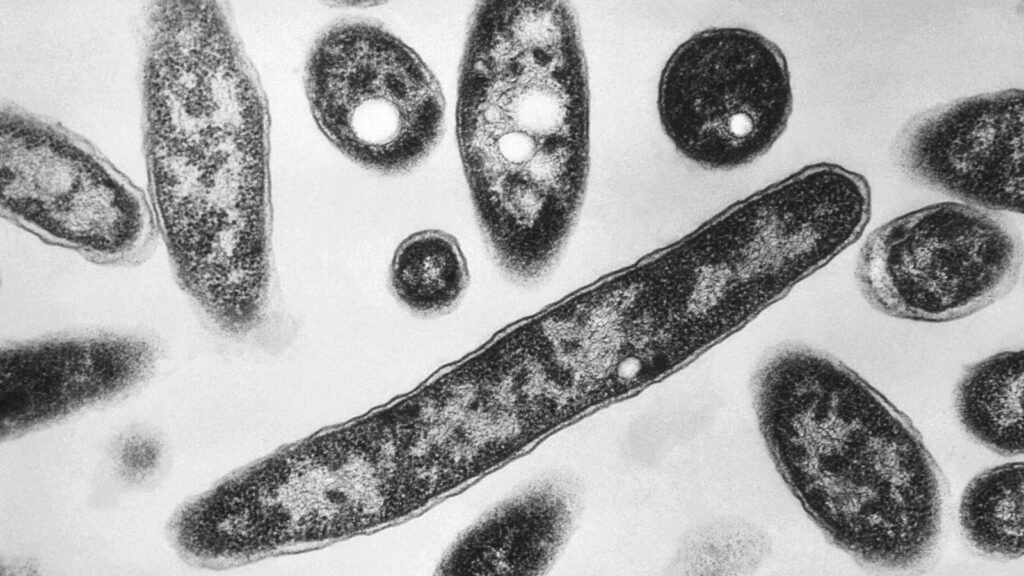
Legionnaires’ disease is a form of pneumonia caused by Legionella bacteria, which grows in warm water and can spread in building cooling systems, hot tubs, and shower heads. In many cases, people contract the disease by inhaling small droplets of contaminated water; Legionnaires’ disease is not transmitted from person to person.
The disease is treatable, but it is fatal in about 10% of cases, according to the U.S. Centers for Disease Control and Prevention. Seven people died and more than 100 became ill during an outbreak last year in the Harlem neighborhood of New York. It turned out that the sources included cooling towers (devices sometimes used to cool large buildings) at a city-run hospital and at the site of the city’s public health laboratory.
Health officials are working to identify the source of the Upper East Side outbreak, which was first identified on July 2 from two cases in close proximity. The investigation was expanded to cover three predominantly residential zip codes.
The city said Tuesday that it inspected all 183 cooling towers in the area, and about 75 of them tested positive in first-round tests that do not distinguish between live and dead bacteria.
Those buildings include the Metropolitan, according to a list the city released Tuesday. The historic museum said it was working on required cleaning and follow-up testing. It usually closes on Wednesdays and cancels the few activities of the day to facilitate cleaning.
City officials said last week they have obtained positive tests at the Guggenheim Museum, private schools, Park and Fifth Avenue apartment buildings, and more.
Most have already completed the required cleanings, which involve draining and disinfecting the cooling towers, Martin said. The remaining buildings will be completed by Thursday.
Martin noted that the city used to wait for the results of the second round of live bacteria testing before ordering such cleanups, but this year decided not to postpone. The tests last about two weeks.
Check back often for more exciting news!