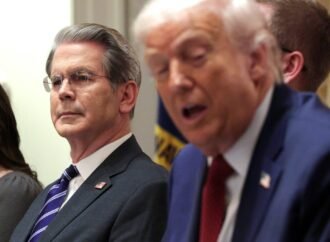
The Federal Reserve’s hiking cycle suddenly looks alive again. Wall Street was already growing nervous. Oil had pushed back above $100, bond yields were surging, the AI capital-expenditure boom continued to add pressure to credit markets, and Thursday’s producer-price report—which feeds into the Fed’s preferred inflation gauge—came in surprisingly hot. But Chair Kevin Warsh’s ambiguity
The government’s near-$40 trillion national debt is now costing the Treasury more than $3 billion a day in service payments, according to a new report from the Congressional Budget Office (CBO). In its August budget update, the CBO reported that net interest on public debt totaled $963 billion between October 2025 (when the fiscal year
Most of the available pool of tariff revenue has been disbursed back to U.S. companies, but American consumers are still looking for their share of the refunds. As of the end of July, about $100 billion in tariff refunds were sent to the U.S. Department of Treasury to be disbursed to approved importers, according to
Scott Bessent has some good news for consumers this morning: The K-shaped economy is officially over! Consumers on the lower end of the income spectrum are no longer being left behind by their richer counterparts, he insists. The Treasury Secretary said he is “sick of hearing about this K-shaped economy,” during a CNBC interview yesterday,
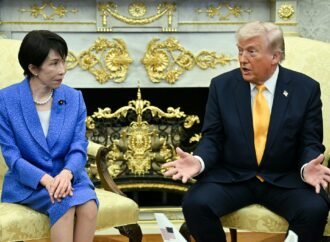
The U.S. is stepping in to help boost Japan’s yen for the first time in nearly three decades after the currency hit a 40-year low, but the intervention has an unusual feature: instead of selling dollars to buy yen, the New York Fed reportedly sold euros to fund the purchase. The coordinated move on Friday