David Ellison may have believed that Paramount Skydance could have closed its $111 billion acquisition of Warner Bros. Discovery by now. The deal was approved by the Justice Department in June (apparently over the objections of staff reviewing it). It has been officially cleared by the EU, and Paramount agreed to the relatively minor concession
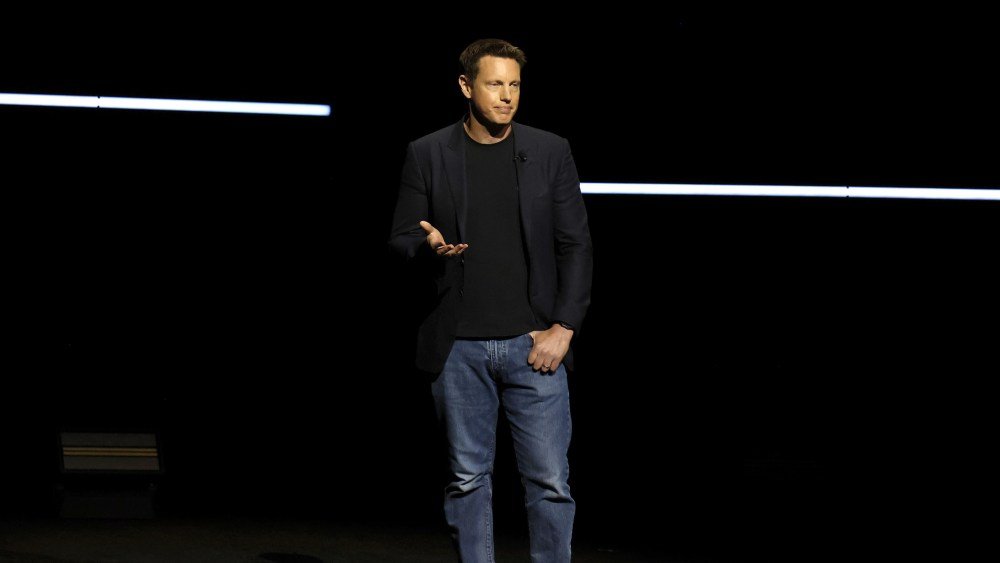
David Ellison may have believed that Paramount Skydance could have closed its $111 billion acquisition of Warner Bros. Discovery by now. The deal was approved by the Justice Department in June (apparently over the objections of staff reviewing it). It has been officially cleared by the EU, and Paramount agreed to the relatively minor concession of ending its film distribution partnership with Universal in Europe.
In fact, Ellison and his team at Paramount were so confident that they would easily achieve regulatory approvals that they sweetened their bid for Warner Bros. Discovery with a “ticking fee” provision, which will pay WBD shareholders 25 cents per quarter for each quarter after September 30, 2026, that Paramount-Warner Bros. does not close. That’s about $7 million a day. So if the calendar shifts to October 1 and the WBD merger isn’t a done deal, Paramount is considering shelling out real money.
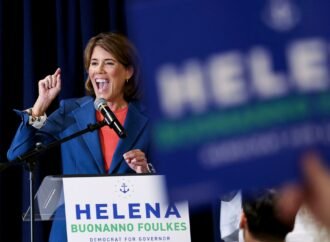
On July 13, a group of 12 state attorneys general (all Democrats) filed a legal challenge to the Paramount-Warner Bros. merger, alleging that the combined company would violate antitrust laws. The states, led by California, are seeking a preliminary injunction to halt the deal until a trial is held on the merits of the case. Here’s a look at where things stand.
Why are states trying to block the merger?
The states allege that the merger will harm competition in three markets (basic cable, blockbuster theatrical releases and wide-release theatrical distribution) by combining two of the top three cable programmers and two of the top five movie distributors. The judge who heard the case, Araceli Martínez-Olguín, granted the states a temporary restraining order, stopping the Paramount-WBD merger for at least 14 days. It also set August 3 for a hearing on the preliminary injunction requested by the states. Paramount is pushing to postpone that date until the week of Aug. 17 or 24 and wants to hold a three-day evidentiary hearing so its attorneys can question the states’ economist and other witnesses.
In her ruling granting the TRO, the judge wrote that, “at best, Defendants’ evidence about these robust and dynamic markets creates disputes about the facts and legality of the transaction’s effects on the market” and that “Plaintiff States’ evidence at least demonstrates that serious doubts remain on the merits, weighing in favor of preliminary injunctive relief.” He added that Paramount has acknowledged that it will not be harmed by the delay until the end of September.
What does Paramount say about the state attorney general’s antitrust lawsuit?
The company called it “one of the weakest merger challenges in modern antitrust history.” The lawsuit filed by state prosecutors “distorts established antitrust law and is based on a misrepresentation of competition in today’s entertainment industry,” Paramount said, adding that it will “vigorously defend the transaction.”
Regarding the states’ allegations that the combined company would exercise undue market power in basic cable, Paramount said that Paramount and WBD’s cable lines are complementary (and not substitutes in the market) and that cable providers will still want access to all channels. On the film front, Paramount claims that “the real economics of film distribution and the economic incentives of the merger demonstrate that the transaction will increase, not decrease, theatrical film production and will not adversely affect pricing terms for theaters.” Paramount has also pointed to the success of new entrants like A24 and Amazon MGM Studios in arguing that the theatrical market is more competitive and dynamic than the state case makes it seem.
From the beginning, Paramount has insisted that its merger with WBD raises no antitrust concerns. According to the company, to date, regulators and governments representing 65 jurisdictions have “cleared the transaction or decided not to challenge it on competition and/or foreign direct investment grounds. These approvals from regulators around the world reinforce what the facts have consistently shown: this transaction is pro-competitive, pro-consumer, and pro-creative.”
What about the transmission?
Paramount has argued that it needs to merge with WBD to combine Paramount+ and HBO Max and achieve scale that can rival companies like Netflix, Disney and Amazon. In addition to Paramount itself, some observers have criticized the states’ antitrust lawsuit for failing to take a holistic view of the entertainment market that incorporates streaming. But in his ruling Monday, Martínez-Olguín rejected the idea that efficiencies in one market offset competitive harms in another. “Courts have expressly and repeatedly rejected the defense that a challenged merger will result in economic efficiencies ancillary to competition in the relevant market,” he wrote.
Could Paramount reach an agreement with the states?
Possibly, but the real question is what form it will take. If Paramount wants to “come forward in good faith and sincerely wants to make a settlement offer, we will always consider a settlement offer,” California Attorney General Rob Bonta, who leads the state coalition, told CNN last week. “And it would have to include structural remedies. We are not interested in behavioral remedies: empty promises, selfish promises, promises that are unenforceable, that will not be fulfilled, that history shows will not be fulfilled. So we will consider what they propose, but they have not proposed anything.”
Paramount, for its part, has not indicated what concessions, if any, it would be willing to consider.
Would the states drop their lawsuit if Paramount agreed to spin off CNN?
No, according to Bonta. In response to an article in which FCC Chairman Brendan Carr (citing an anonymously sourced report) claimed that antitrust litigation would be dropped if Paramount spun off CNN, Bonta tweeted: “I’m not sure where this information originated, but I have literally never said this. Spinning off a channel from a media conglomerate is not a sufficient remedy to protect consumers and preserve competition in the film and television industry.”
What about the lawsuits filed by the WGA and others?
Paramount is dealing with other legal issues related to the deal with Warner Bros., but the state AG case appears to be the most serious threat to the merger. The Writers Guild of America filed its own antitrust lawsuit, alleging that the merger of Paramount and WBD will reduce writers’ salaries and undermine competition in three labor markets: blockbuster screenplays, writing for episodic shows, and overall writers’ deals. The union is also seeking a court order to block the deal.
Meanwhile, Judge Martínez-Olguín denied a preliminary injunction to block the deal sought by some Paramount+ subscribers, whose lawsuit alleges they will face price increases and risk losing viewing options as a result of the Paramount-Warner Bros. merger.
Additionally, a Paramount shareholder has sued Paramount CEO David Ellison and his father, tech billionaire Larry Ellison, alleging they reached an “illegal” deal with President Donald Trump to secure U.S. government approval for the acquisition of Warner Bros. Discovery. In exchange, according to the lawsuit, the Ellisons offered “the opportunity to improperly funnel money” to the president by settling his legal claims against CNN, and allegedly promised that CNN anchors Trump dislikes would be fired after the WBD acquisition. The challenge in this matter will be proving the allegations. A Paramount spokesperson said in part: “This lawsuit recycles allegations that have already been reported and addressed. As we have consistently said: neither David nor Larry Ellison have made any commitments to any government body, state attorney general or federal agency regarding the future of CNN or any other news property, other than the goal of delivering truth-based journalism.”
Would the Ellisons simply walk away from the Warner Bros. deal?
This seems unlikely. For starters, Paramount would have to pay Warner Bros. Discovery a $7 billion breakup fee. (That’s on top of the $2.8 billion he already paid Netflix after outbidding the streamer for Warner Bros.) David Ellison, with financial backing from his father, Larry Ellison, showed he wasn’t going to back down from his pursuit of Warner Bros. Discovery even after Netflix closed the deal to buy Warner’s studio and streaming businesses. As it stands now, the Paramount-WBD merger deal will expire on March 4, 2027, subject to an automatic extension through June 4, 2027. You can rest assured that David Ellison will do everything he can to get WBD ready before then.
For more tech updates, stay tuned to our blog.