“There is deep dissatisfaction and economic distress, which has translated into a lack of hope about the future,” Aiyar says. “This could reflect a growing exhaustion of a government that has been in power for a long time. Its failure to deliver on the promises on which it built its reputation may have reached a
“There is deep dissatisfaction and economic distress, which has translated into a lack of hope about the future,” Aiyar says. “This could reflect a growing exhaustion of a government that has been in power for a long time. Its failure to deliver on the promises on which it built its reputation may have reached a tipping point.”
For her, the protests are much more than a simple political failure.
“The message from the protesters is clear: we are exhausted. We need a new kind of politics, a new political grammar, rooted in ideas and focused on governance and execution.”
However, whether that frustration can be sustained as a political movement is another question.
Political scientist Suhas Palshikar argues that the Cockroach movement may simply provide an outlet for public anger before gradually losing steam, much like the farmers’ protests.
“Where will the Cockroaches movement go? Maybe nowhere: it will allow frustration to vent and diminish,” he wrote in X.
He also warns against romanticizing it as a Gen Z uprising.
“It would be a mistake to imagine a youth movement or a Generation Z movement; these are just myths convenient for commentators.” The “ideological and political character of the movement… is currently fluid,” he maintains, and different political forces are likely to seek influence over it.
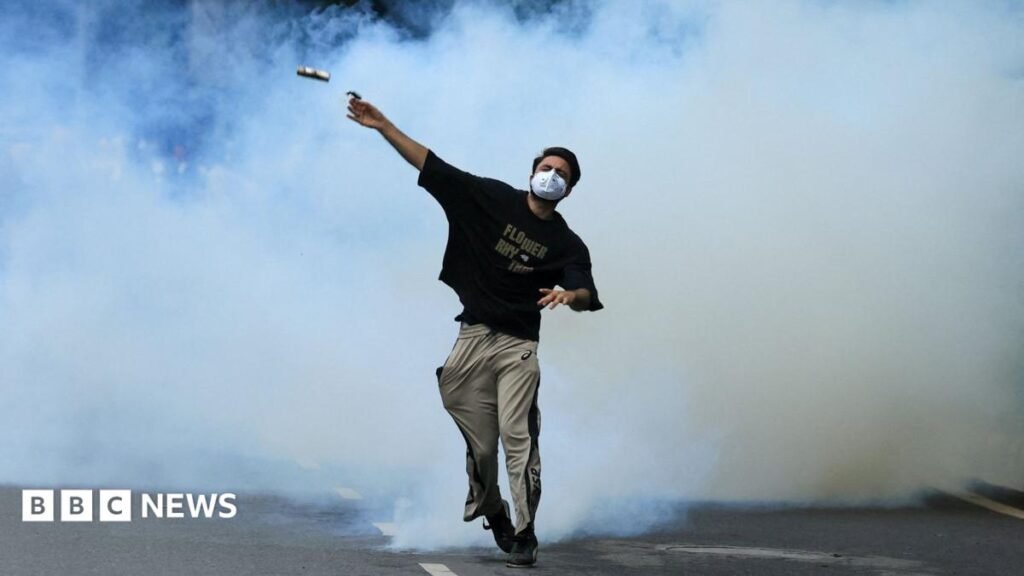
What the protesters have undoubtedly demonstrated, he says, is a willingness to confront the State.
“Young people have shown their anguish and disgust. They have borne the brunt of the brutal police of the democratic government. They have also shown that only street action makes this regime… listen and speak.”
Whether that energy can endure, Palshikar argues, will depend on many factors, including state repression, media blackouts, challenges to leadership, and the difficulty of building a broad social coalition.
Economist Surajit Mazumdar of Delhi’s Jawaharlal Nehru University also believes the movement is already pointing to something much bigger than exam leaks.
Check back often for more exciting news!