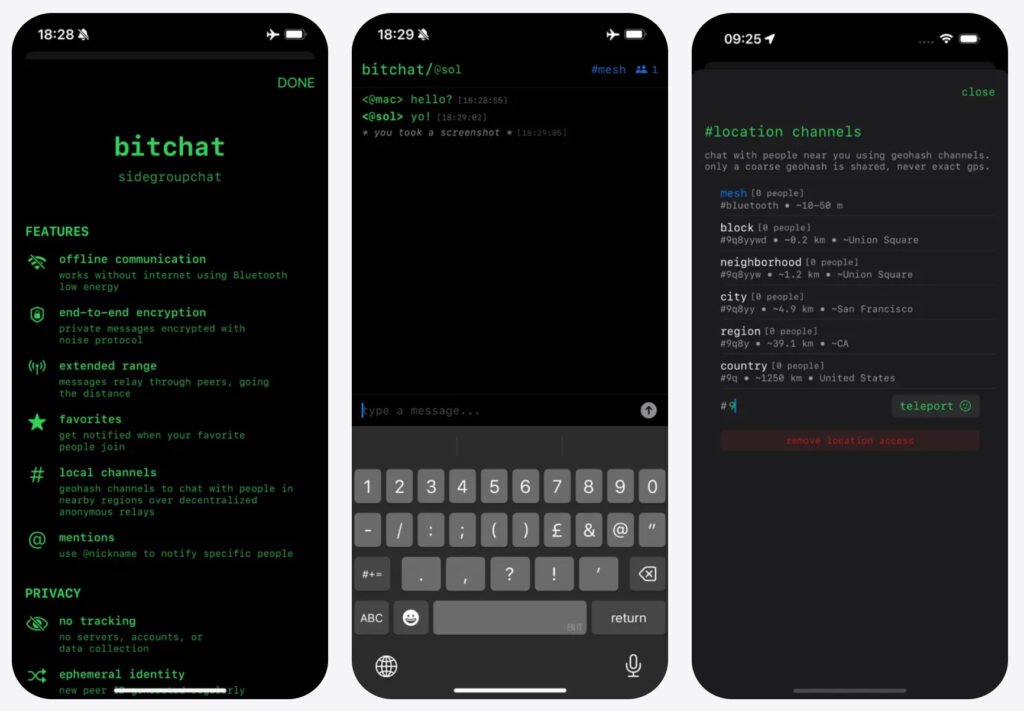
An apparent effort by the Indian government to remove GitHub repositories for Bitchat, Jack Dorsey’s Bluetooth-powered offline messaging app, has raised questions about the legal basis for targeting open source software because of how it works. The issue with Bitchat came to light after Dorsey posted on X on Friday what he said was a
An apparent effort by the Indian government to remove GitHub repositories for Bitchat, Jack Dorsey’s Bluetooth-powered offline messaging app, has raised questions about the legal basis for targeting open source software because of how it works.
The issue with Bitchat came to light after Dorsey posted on X on Friday what he said was a notice from India’s Home Ministry ordering GitHub to restrict access to three Bitchat repositories within three hours. The advisory argues that the app’s anonymous and decentralized architecture could facilitate illegal activity and allow users to communicate during internet outages, while making legal interception more difficult.
The move comes as Indian authorities tighten internet restrictions after weeks of student-led protests in New Delhi over alleged exam leaks.
The demonstrations, known as the “cockroach” movement, have attracted thousands of young people demanding the resignation of Indian Education Minister Dharmendra Pradhan, and authorities have also imposed restrictions on marches to parliament. Local media reported that some protesters downloaded offline messaging apps, including Bitchat and Briar, after internet services were suspended.
The order represents a new approach for the Indian government, which, before 2021, typically relied on Section 69A of the IT Act and Blocking Rules of 2009 when it wanted to remove content across the country, according to Mishi Choudhary, founder of SFLC.in, an Indian digital rights legal advocacy group.
She told TechCrunch that the document resembled the format of recent government takedown notices, but the legal provisions she cites do not clearly authorize authorities to seek removal of an entire software project due to its operation and not any specific illegal content.
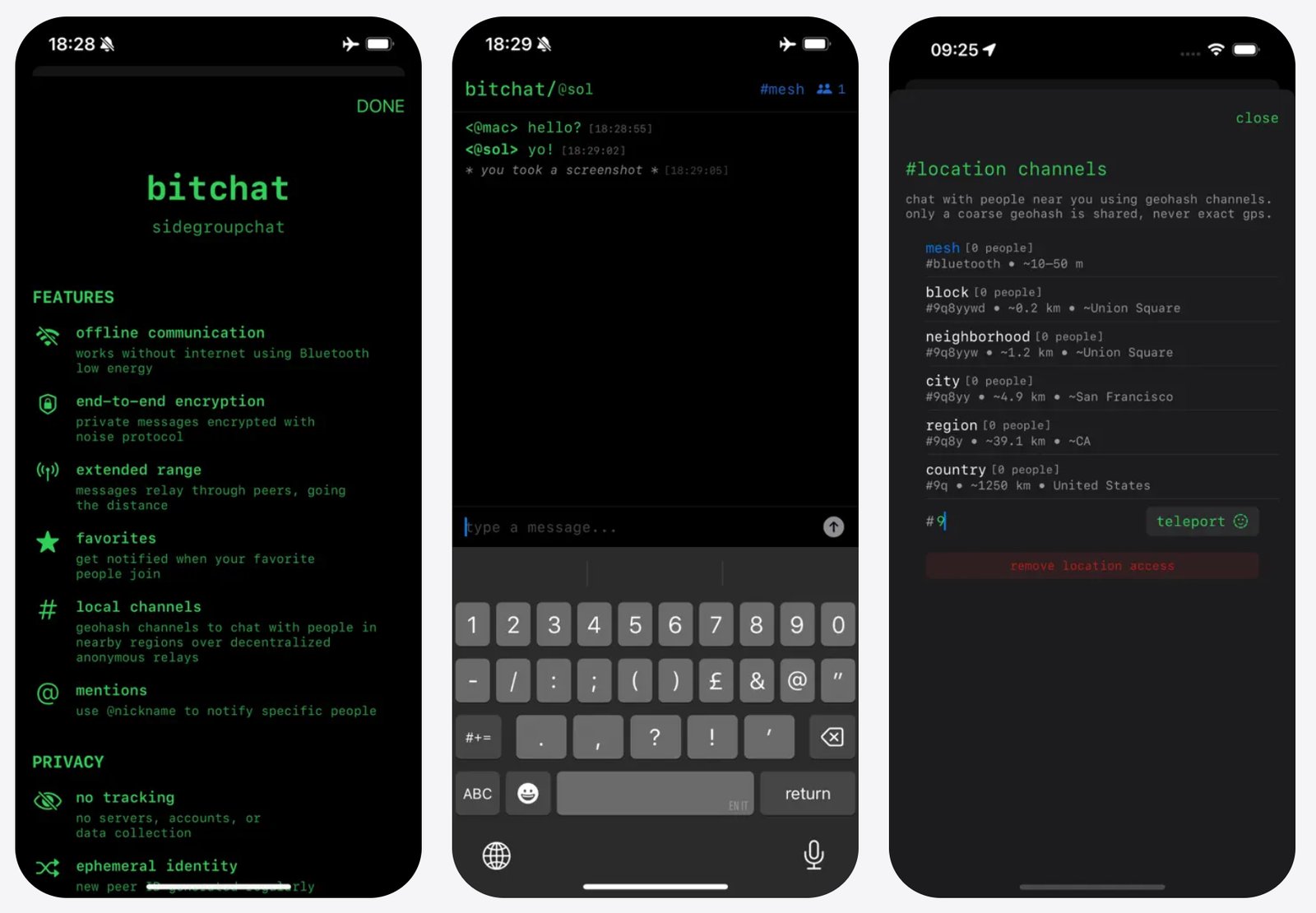
Unlike many government takedown requests, the document Dorsey shared does not identify specific posts, messages or repositories that contain illegal material. Instead, he argues that Bitchat’s ability to operate during internet outages and without central servers could facilitate illegal activities.
The notice, dated July 23 and apparently issued by the Indian Cybercrime Coordination Center (I4C), which operates under India’s Ministry of Home Affairs, said Bitchat allows users to communicate “even during network restrictions” and “internet shutdowns,” making it possible to “bypass legal restrictions” while hampering “lawful interception, attribution and traceability.”
In recent days, Bitchat has seen a sharp rise in popularity in India. Market intelligence provider Sensor Tower shared data with TechCrunch showing that India accounted for about 85% of global app downloads between July 17 and 23, compared to about 1% in the previous 30 days. Bitchat was downloaded more than 91,000 times in India over the past five days, after downloads increased thirty-two times on July 19 from the previous day. The app’s daily active users in India also reached more than 330,000 on Thursday, the highest level recorded for the app in the country.
Application raises questions about open source software
The Internet Freedom Foundation (IFF), a New Delhi-based digital rights advocacy group, questioned the effectiveness of the apparent takedown request.
“The order also fails on its own terms, since deleting a repository does not remove the app from any phone carrying it, and the mesh continues to operate without servers. What the deletion really prevents is scrutiny of the underlying code,” the group on X said.
Raman Chima, global program director at the Association for Progressive Communications, a global digital rights network, told TechCrunch that the apparent notice went beyond the goal of the messaging service itself by seeking to remove its open source code from GitHub.
“They are [the Indian government] “They’re not just targeting the designated service provider, but they’re trying to say that open source development of this type of product… shouldn’t happen,” he said.
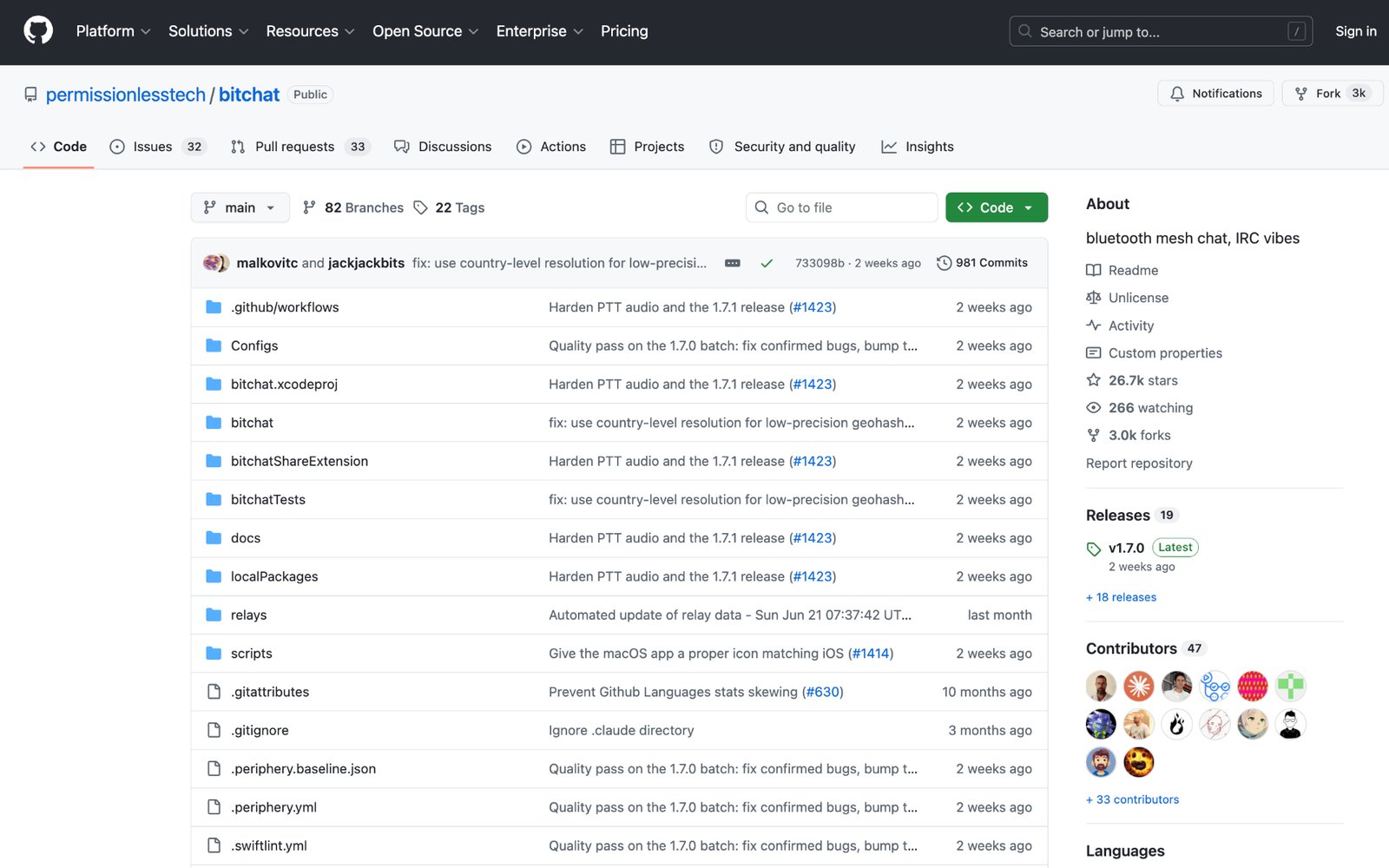
GitHub did not confirm whether it had received the document. The repositories remained accessible from India on Friday. When asked about the apparent notice, the company shared a link to its public repository of government takedown requests, which did not contain any recent requests related to Bitchat.
Namrata Maheshwari, senior policy advisor at digital rights group Access Now, told TechCrunch that blocking a messaging platform offline during internet restrictions risked turning the shutdowns into “a communication blackout” that violated fundamental rights. Protesters in any democracy have the right to communicate privately and coordinate peacefully, he said.
“When we receive a full takedown request from the government, we notify affected account owners and give them the opportunity to appeal,” Rose Coogan, the company’s chief online security advisor, said in a statement emailed to TechCrunch. “We share all government takedown requests that we take action on publicly.”
India’s Home Ministry did not respond to a request for comment.
When you buy through links in our articles, we may earn a small commission. This does not affect our editorial independence.
Keep following us for the latest insights.