Private equity giant Blackstone is putting itself at the center of the AI boom, firm veteran Jas Khaira discussed last week on stage at TechCrunch Disrupt. It is writing checks via various strategies, ranging from offering massive loans to data centers to investing in frontier AI models and applications. Earlier this year, the firm launched
Amazon is racing to secure AI hardware earlier than before, even as data center power shortages leave some GPU systems waiting in warehouses. Under a new Early Rack Receipt process, AWS expected to receive roughly $5 billion in Nvidia’s GB300 server racks at US facilities before final deployment, according to August internal emails reviewed by
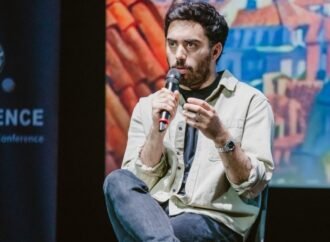
Durng a fireside chat entitled “Every Pixel Will Be Generated” at Turin’s View Conference, an audience member asked Cristóbal Valenzuela, the co-CEO of generative AI startup Runway, whether AI could eventually replace human actors. “Yeah, absolutely. I think it’s already happening in a way,” he replied, going on to describe AI as “a new medium
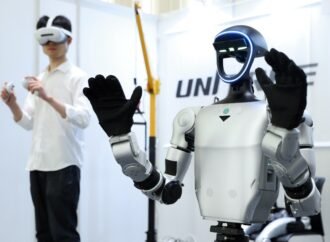
Amulya Vishwanath, who spent seven years leading product marketing for NVIDIA’s robotics platforms, says robotics is currently in its “Lego era,” with the basic building blocks like actuators, robotic hands, software, and safety standards still being rebuilt. This view runs counter to those who believe that robotics, powered by a general foundation model, is about to have
The man who may stand to make the most money from the AI boom seems to think he knows better than anyone else, including researchers who have studied and worked on AI for decades. In an interview with CBS Sunday Morning, he claimed there was a “0% chance” of AI being the end of the
Don’t let the black leather jacket fool you, Jensen Huang isn’t a doomer. Nvidia’s CEO said as much in an interview with CBS News aired on Sunday. He accused the leaders of the frontier AI labs of being disingenuous in their warnings that, without more AI oversight, the products they are building could harm humanity