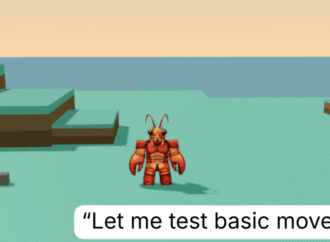
AI agents left to explore a virtual island without a specific task began inventing challenges of their own. MIT researchers say the behavior bears the hallmarks of play. The researchers put 13 AI agents called Eko, each running on Claude Opus 4.7, alone on a simulated desert island for 30 hours. They describe the experiment
Over the past year, concerns have swirled over the potential dangers posed by artificial intelligence, and debates have raged over the proper path for AI safety. Now, Anthropic appears to have put forth its own vision for how the government might regulate its industry. Politico recently reported that the AI lab has been shopping around
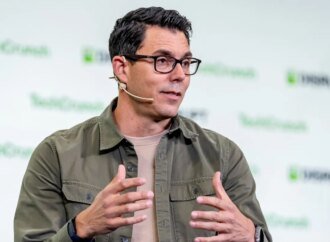
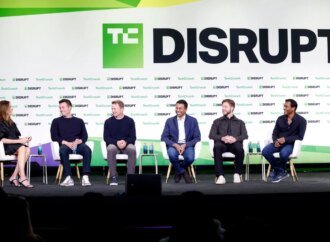
Rivian is going full steam ahead on developing autonomous vehicle software for its EVs, to the point that it is willing to delay profitability. Founder and CEO RJ Scaringe said last week at TechCrunch Disrupt that he thinks autonomy will allow his company to build radically different kinds of vehicles than the outdoorsy SUVs and
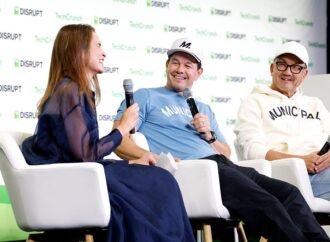
Mark Wahlberg has started companies of his own and backed plenty of others. But the gym he’s opening in December, he says, has him more excited than anything he’s done in his entire career. It also goes after a corner of the market where venture money keeps flowing: pricey, diagnostics-heavy wellness. Speaking with us at
For decades, the unwritten rule of venture capital was that a firm doesn’t back two companies that compete head-on. But speaking at TechCrunch Disrupt earlier this week, the partners of Benchmark readily acknowledged that the AI boom is straining that rule. It’s been on the verge of snapping for some time. The towering AI labs
Muse’s traction is surging, fueled by Meta’s promotion of the AI app at its annual developer conference this week and strong early reviews that praised its polished design and highly capable AI model under the hood. At the start of the week, Muse had surpassed 2.5 million downloads since its September 8 launch. Now, the