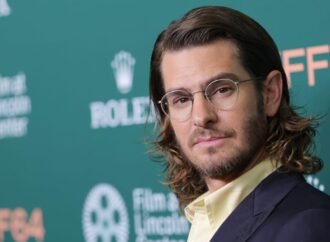
Portraying OpenAI CEO Sam Altman in the upcoming film “Artificial” didn’t make Andrew Garfield an AI enthusiast. In fact, Garfield said it had the opposite effect during an interview with Variety published on Tuesday. “I got a bit scared. I felt a little mistrusting of the technology,” Garfield said. “It feels like the people who
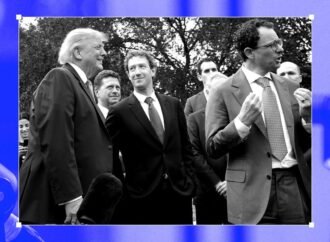
Here’s a core dynamic of our AI moment: Many of the people who are most worried about AI’s power are also the people running the most powerful AI companies. And that’s always been the case, argues Kevin Roose. The veteran technology journalist says that many of the men leading the AI boom — most prominently
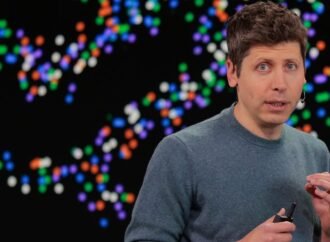
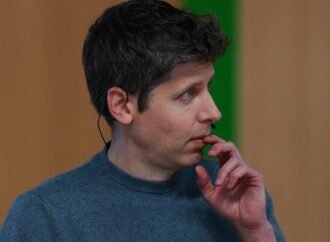
OpenAI CEO Sam Altman said there was a fundamental difference in worldview between his company and rival Anthropic on artificial intelligence regulation, arguing in an exclusive interview with Decoded by POLITICO that the technology’s benefits justify accepting some risks — and that AI should remain broadly accessible to the public. “I think there’s a lot
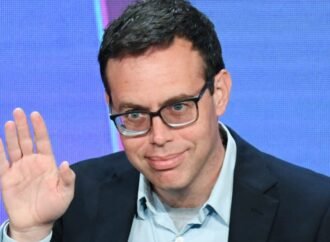
David Robinson, a leader on OpenAI’s Safety Systems team who quit the company this week, once had ambitions to bring philosophy to journalism. A Rhodes Scholar, Robinson graduated from Princeton in 2004 with a degree in philosophy. At Princeton, he led the school newspaper’s opinion section. In a 2003 interview with the Daily Princetonian, Robinson
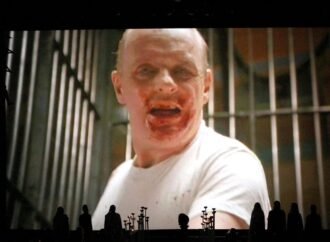
Treasury Secretary Scott Bessent had some things to say about pro-regulation tech leaders that might go down better with fava beans and a nice Chianti. During a Saturday appearance on “The Axios Show,” Bessent compared CEOs who want the government to slap guardrails on AI to a reviled cinematic figure. “I mean, it’s kind of
OpenAI’s Sam Altman said Saturday that he’s “very uncomfortable” with people treating AI like a god. In a vaguepost on X, Altman said that people who try to “ascribe religious force or a surrender of human judgment to AI models” are a safety issue. I am very uncomfortable about people trying to ascribe religious force