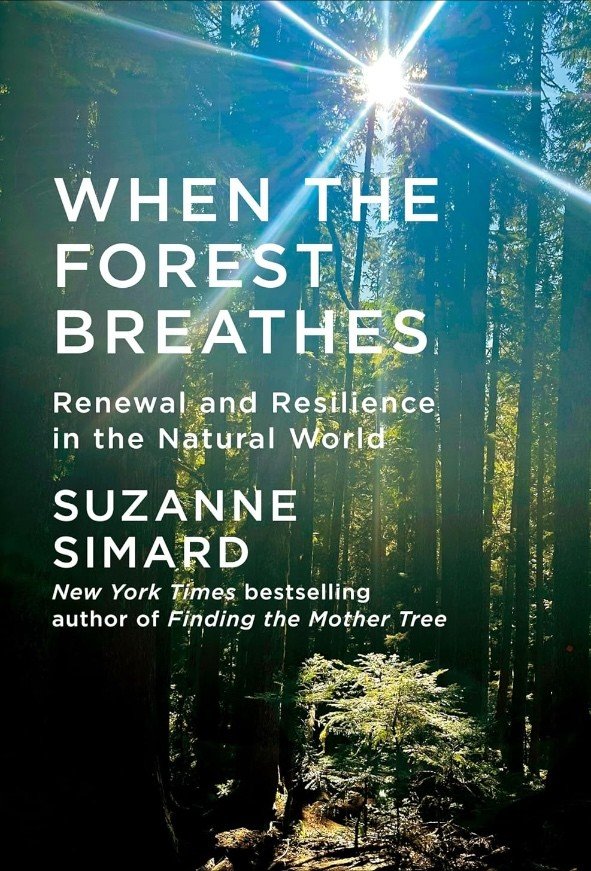
When the Forest Breathes Suzanne Simard Knopf (2026) In 2015, forest ecologist Suzanne Simard established the Mother Tree Project in British Columbia, Canada, funded by the country’s federal government. Now, Simard and her team, aided by local Indigenous people, have planted 225,000 trees across an area as large as Denmark, including in both the province’s
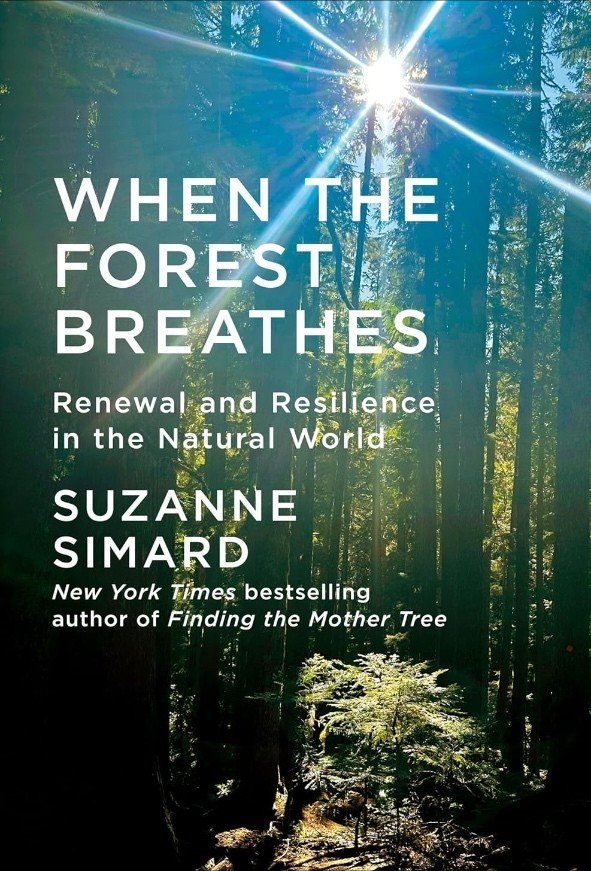
When the Forest Breathes Suzanne Simard Knopf (2026)
In 2015, forest ecologist Suzanne Simard established the Mother Tree Project in British Columbia, Canada, funded by the country’s federal government. Now, Simard and her team, aided by local Indigenous people, have planted 225,000 trees across an area as large as Denmark, including in both the province’s rugged interior and the lush rainforests on its west coast. Their goals are “to document the effects of clearcut logging on carbon pools and biodiversity” and “to discover new ways of tending forests”, which she discusses in her appealing book.
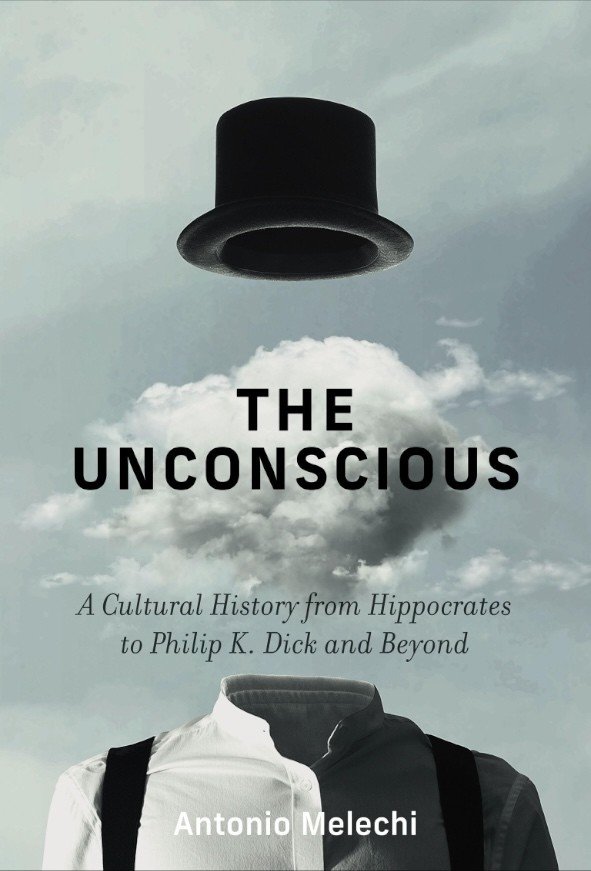
The Unconscious Antonio Melechi MIT Press (2026)
Any book on the history of the unconscious mind has to accept that the topic has always been rife with disagreement. “Inside the conceptual rubric of ‘the unconscious’ we find a babel of confusion and disputation,” observes Antonio Melechi, a historian of medicine and psychology. His complex book includes extracts from numerous eras and sources, from Hippocrates to Charles Darwin and Sigmund Freud, although he oddly omits biophysicist Francis Crick’s study of consciousness, The Astonishing Hypothesis (1994).
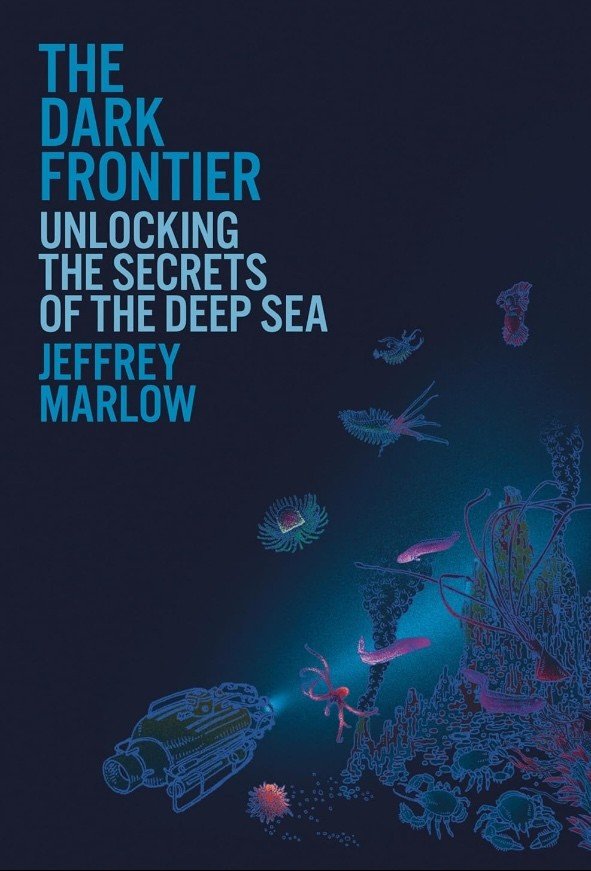
The Dark Frontier Jeffrey Marlow Random House (2026)
The deep sea — which begins at a depth of around 200 metres, where light from the surface cannot reach — accounts for more than 95% of Earth’s habitable volume. Yet scientists have seen less than 0.001% of the deep sea’s floor and even less of the water column above it, according to biologist Jeffrey Marlow. His outstanding portrait of the deep ocean considers its role in “sustaining a viable planet and a thriving human civilization”, despite humanity’s tendency to pollute and damage the sea “before even getting to know it”.
Artificially Yours Valerie Tiberius Princeton Univ. Press (2026)
Keep following us for the latest insights.