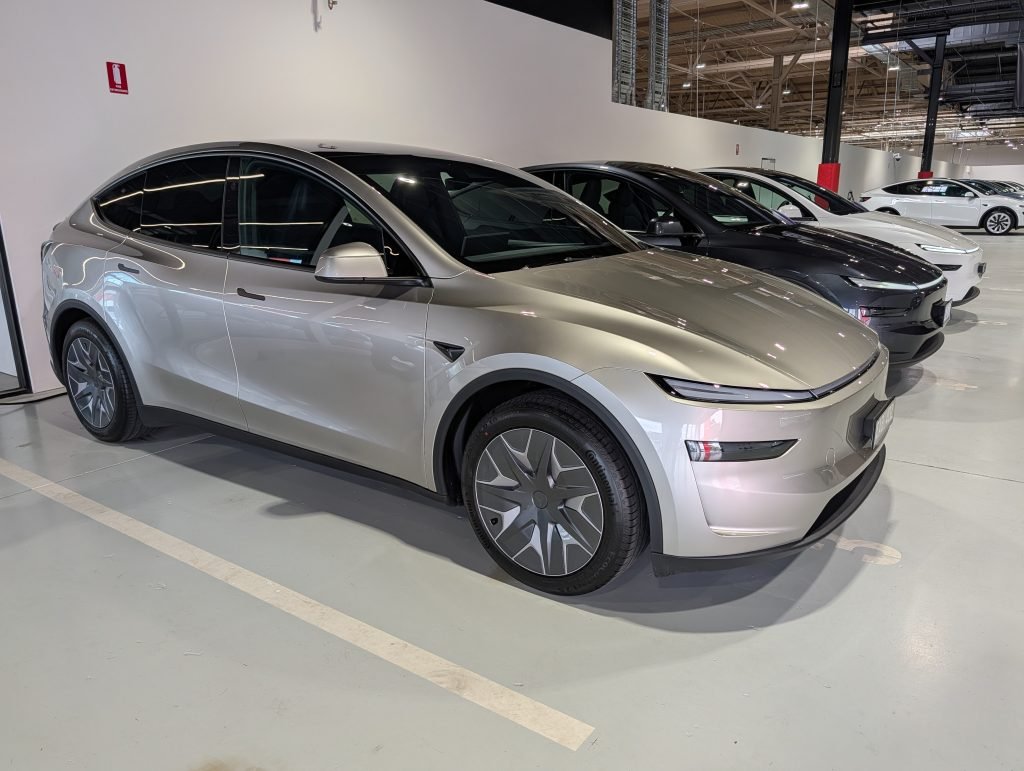
New electric vehicle sales data released today by the Electric Vehicle Council shows a another great month for EV sales, led significantly by Tesla. The report features just Tesla and Polestar, with EV sales of other brands to arrive in the coming days when the Federal Chamber of Automotive Industries publishes August VFACTS report. Combined,
New electric vehicle sales data released today by the Electric Vehicle Council shows a another great month for EV sales, led significantly by Tesla. The report features just Tesla and Polestar, with EV sales of other brands to arrive in the coming days when the Federal Chamber of Automotive Industries publishes August VFACTS report.
Combined, the two brands sold over 7,821 battery electric vehicles in the month of August 2026. That figure is up 59% month on month, with July’s deliveries totally 4,921, but more impressively, up 148% on the 3,156 recorded in August 2025. It is also their second-highest month on record, behind only June’s 8,924.
Tesla delivered an impressive 7,685 vehicles last month, an increase of 61% from the 4,778 sales in July and a stunning increase of 163% from August last year. This record month for Tesla has only been surpassed once before, in June 2026 with 8,670 deliveries.
Polestar continues to struggle to reach significant numbers, contributing just 136 cars, a touch below July’s 143 and well down on the 229 it delivered in August 2025.
The EVC is careful to stress these figures are deliveries, not orders, and they cover only the manufacturers that supply data to the Council.
Month on month versus year on year
It is worth noting the context here, July is usually the hangover after end-of-financial-year deals. August looks like the market snapped back.
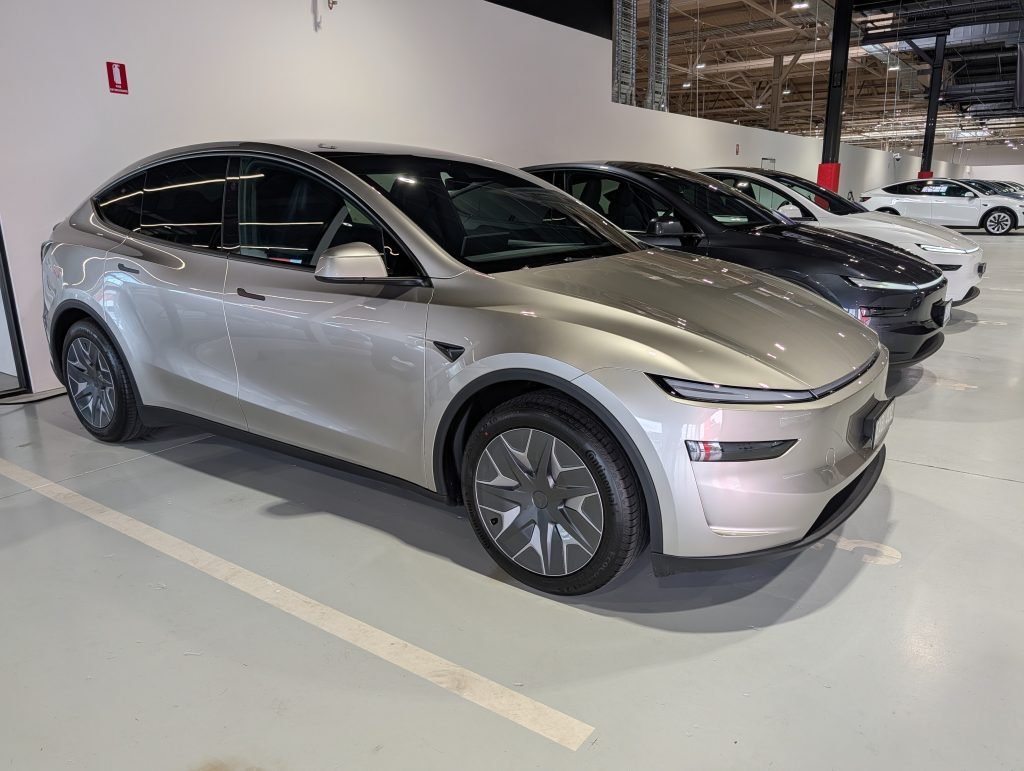
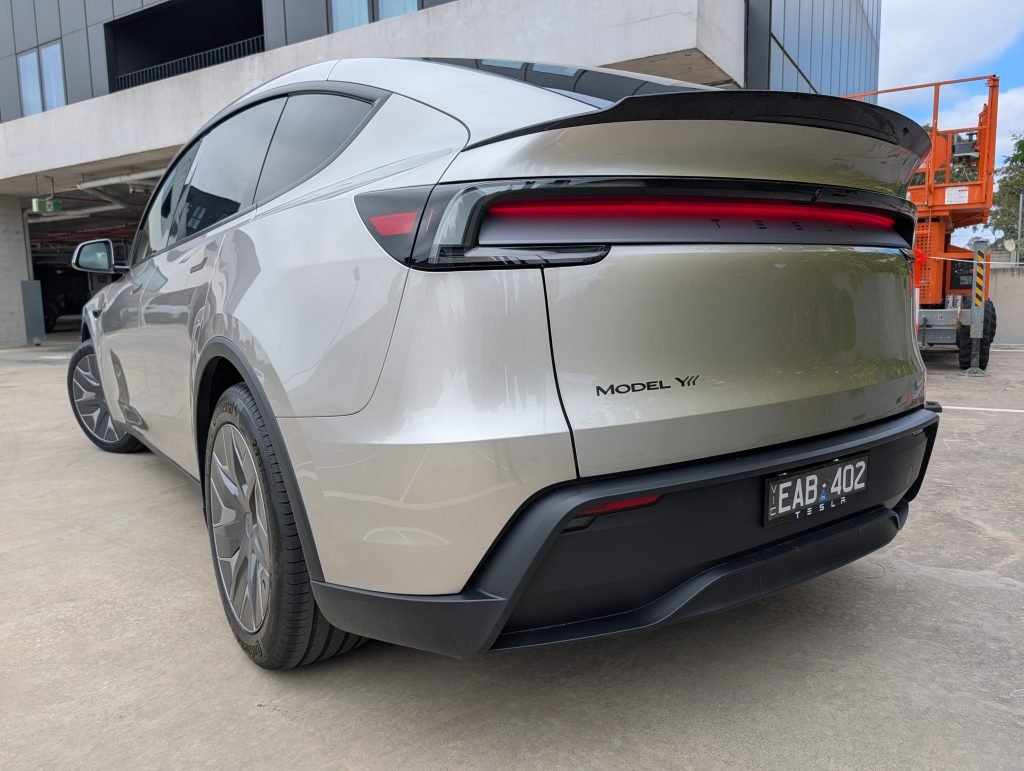
- The Tesla Model Y led BEV sales with 6,414 vehicles delivered – up 176% compared with August 2025.
- The Tesla Model 3 recorded 1,271 sales, its strongest monthly result since January 2026.
Against July, the Tesla Model Y rose from 4,644 to 6,414 deliveries, a 38% lift. The Model 3 jumped from a thin 134 in July to 1,271 in August, its strongest month since January. That sedan rebound is the clearest month-on-month swing in the report.
The Model Y’s 6,414 deliveries are up 176% on the 2,324 sold in August last year. The Model 3’s 1,271 are up 111% on 603. Combined Tesla and Polestar volume is up 148%.
Unfortunately buyers are not flocking to Polestar, down 41% on August 2025. It is worth noting that Tesla has shipped the Model Y L this year and there’s plenty on the road, while this isn’t broken out in the sales figures, it looks like it’s doing quite well for the brand, a positive endorsement of the investment in making changes to accommodate larger families.
Where the cars landed
South Australia is the standout on a small base. It recorded 347 Tesla and Polestar deliveries in August, against just 28 in August 2025. Year to date, SA has risen from 743 to 1,569.
New South Wales remains the biggest market in this report, with 2,574 deliveries in August and 12,274 year to date, both more than double last year. Queensland followed with 1,626 for the month and 7,940 so far this year. Victoria delivered 2,210 in August and 11,084 year to date.
Western Australia jumped from 236 to 721 in the month, though its year-to-date gain of 45% is the softest among the mainland states. Tasmania rose from 14 to 59. The Northern Territory remains tiny at eight vehicles for the month. The ACT added 276.
NSW, Queensland and South Australia have all more than doubled Tesla and Polestar sales across the first eight months. Every other jurisdiction is still up.
What a full-year 2026 tally could look like
Eight months in, a straight-line run-rate puts Tesla and Polestar on about 56,000 combined deliveries for 2026, with Tesla itself around 54,000. The Model Y would land near 47,000 on the same simple maths.
The reality is, sales are often not a straight line. January was only 501 Tesla deliveries. April slumped to 1,225. Then May hit 6,433, June hit 8,670, July cooled to 4,778 and August bounced to 7,685, so the end of quarter madness and EOFY still matter.
If September to December only average the July–August pace, combined deliveries finish around 63,000 and Tesla around 61,000. If the next four months look more like May to August, the pair can push into the mid-60,000s, with Tesla somewhere in the low-to-mid 60,000s. A repeat of June in both September and December would sit at the top of that range.
The safer forecast is a band, not a single number. On current evidence, Tesla is on track for roughly 54,000 to 63,000 Australian deliveries in 2026. Add Polestar and the combined EVC tally is likely to land between about 56,000 and 65,000. The Model Y should finish as one of the country’s highest-volume vehicles for the year, electric or otherwise, once VFACTS fills in the rest of the market.
That would roughly double Tesla’s year-to-August 2025 run-rate and put the brand well clear of any calendar year it has posted in Australia. It would not, on its own, tell us who wins the overall EV market. BYD was already close to Tesla on year-to-date volume before August, and several other brands are selling in volume that this EVC file does not capture.
Why the ABS comment matters
The timing also lines up with fresh national accounts. The Australian Bureau of Statistics said today the economy grew 0.4% in the June quarter. The EVC pointed to ABS commentary that electric vehicle demand was part of that story.
“The rise in electric vehicle purchases may have reflected households taking a longer-term approach to cost of living pressures, with some choosing EVs to help reduce ongoing expenses.”
Grace Kim, Head of National Accounts, Australian Bureau of Statistics.
That is a useful way to read both the month-on-month rebound and the year-on-year surge. Fuel costs, servicing and the growing list of models at or near petrol-SUV money are now first-order purchase questions. Whether that is a lasting shift or a price-and-fuel cycle is what the next few VFACTS reports will test.
Electric Vehicle Council chief executive Julie Delvecchio is firmly in the structural-shift camp.
“The sustained growth in monthly and annual EV sales points to a structural shift in Australia’s car market.
Environmental and economic considerations are coming together, changing what Australians buy and how they spend.
EVs are not only close to or at price parity with petrol cars, but Australians are also increasingly looking beyond the purchase price to what a vehicle will cost them over the years they own it. They are choosing electric vehicles to cut both their household bills and emissions.
Australians now have real choice in the market, and they’re choosing electric because EVs are cleaner and cheaper to run.”
Julie Delvecchio, CEO, Electric Vehicle Council.
Despite having much competition in the market from alternatives like the BYD Sealion 7, Geely EX5, Zeekr, Kia EV5 and a lengthening list of alternatives, the Model Y is still absorbing huge volume. Until VFACTS arrives, treat 7,821 as a two-brand scoreboard, one that we’ll be keen to see the full tally of EV sales vs ICE as an increasing number of Aussie families turn their backs on rising fuel and operational costs and choose electric.
For more information, head to Electric Vehicle Council.
Check back often for more exciting news!