We have all been caught in that frustrating bind where you need something specific immediately, but making a trip across town to walk through a department store simply is not going to fit into the schedule. You might need a last-minute birthday gift on a Saturday morning, a fresh set of clothes for a sudden
We have all been caught in that frustrating bind where you need something specific immediately, but making a trip across town to walk through a department store simply is not going to fit into the schedule.
You might need a last-minute birthday gift on a Saturday morning, a fresh set of clothes for a sudden dinner plan, or a pack of baby essentials after realizing the cupboard is empty.
While last minute-commerce platforms have spent the last few years mastering the 30-minute delivery of milk, bread, and fast food, the department store has remained firmly tied to traditional postage parcel networks or physical click-and-collect counters.
Target Australia is aiming to close that gap by partnering directly with Uber Eats. Rolling out from today (October 1st), Target customers can order from an initial catalogue of more than 25,000 products directly through the Uber Eats smartphone application, with orders picked from store shelves and delivered to front doors within an expected 60 minutes.
The agreement makes Target the first fashion apparel retailer in Australia to launch on the Uber Eats platform. Instead of offering a tiny promotional selection, the launch includes a wide spread across apparel, beauty, homewares, toys, baby products, and everyday household items.
In-store price parity avoids the app inflation trap
A persistent issue with on-demand food delivery platforms is the hidden cost of marked-up menu items. Consumers routinely discover that items listed on delivery platforms carry a steep price hike compared to purchasing directly in-store.
Target has intentionally bypassed that frustration by confirming that product prices on Uber Eats will mirror the price tags sitting on physical store shelves. If a children’s clothing set or kitchen gadget costs A$25 on the shelf at your local store, it will cost that same A$25 inside the Uber Eats app.
You will still be paying standard Uber Eats service and delivery fees, which means the convenience of skipping the car trip comes at a premium. For households managing tight family schedules or urgent situations, having full visibility over genuine retail pricing makes the calculation straightforward.
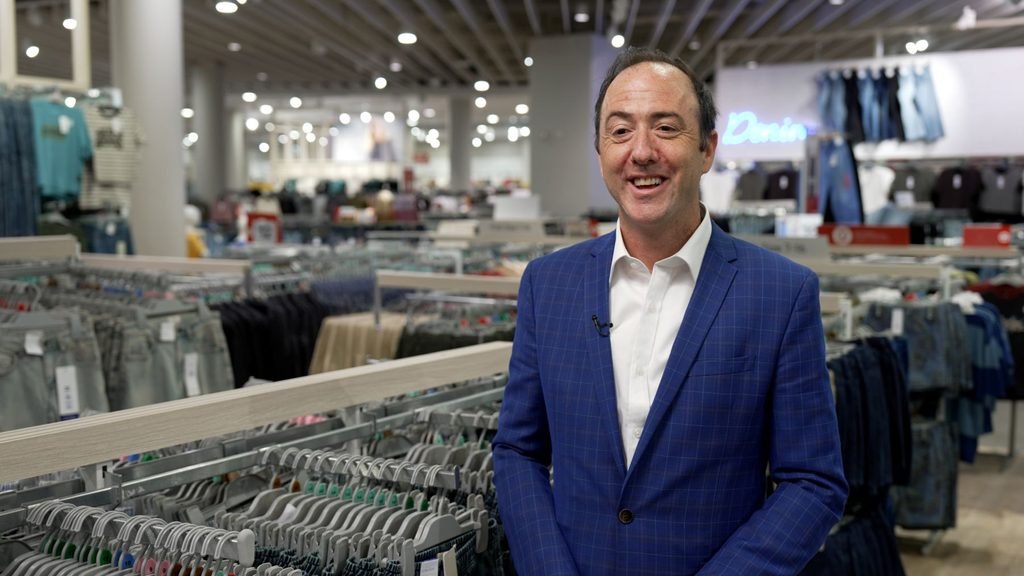
“Customers are looking for more ease and flexibility than ever before, and our focus is on building an online offer that works around them, whether they’re planning ahead or need something quickly.
We’ve spent 100 years helping Australians access products they’ll love at great value.
This partnership is another way we’re making it easier for customers to shop with Target, wherever and whenever it suits them. Whether it’s a last-minute birthday present, something for the home or an everyday essential, this partnership gives customers another convenient way to access Target’s great style, quality and value.”
Bernard Wilson, Chief Customer Officer, Kmart and Target.
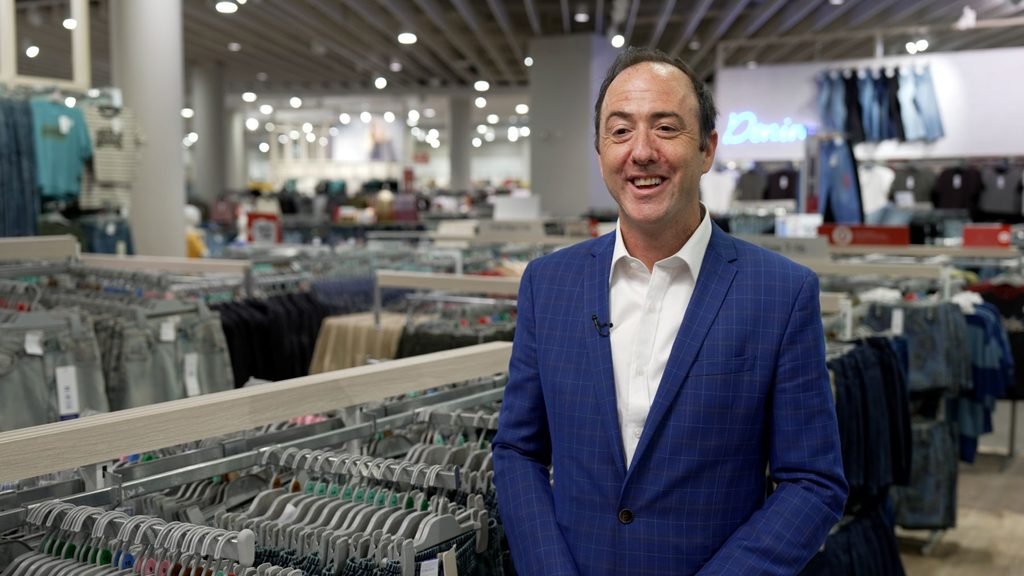
Turning physical stores into local micro-fulfillment hubs
The logistics strategy behind this launch relies heavily on Target’s existing real estate footprint. Rather than fulfilling customer orders through centralized, regional distribution warehouses that take days to move parcels via Australia Post, orders will be fulfilled directly by retail team members inside participating local Target stores.
Once an order is confirmed, store staff locate the items, pack the order, and hand it over to an Uber Eats delivery driver who handles the final-mile transport.
The initial rollout covers 20 Target store locations across high-demand metropolitan zones, with a wider expansion planned for early next year. This phased approach allows both Target and Uber Eats to iron out workflow kinks ahead of the chaotic peak of the Australian holiday shopping calendar.
“We’re excited to welcome Target to Uber Eats, giving Australians access to more than 25,000 products, with delivery expected within 60 minutes.
Customers increasingly expect to be able to get what they need without planning days ahead. Bringing Target onto Uber Eats means more of those everyday needs can arrive at their door in under an hour, making on-demand delivery useful for even more moments in their day.”
Lucas Groeneveld, Managing Director, Uber Eats Australia and New Zealand.
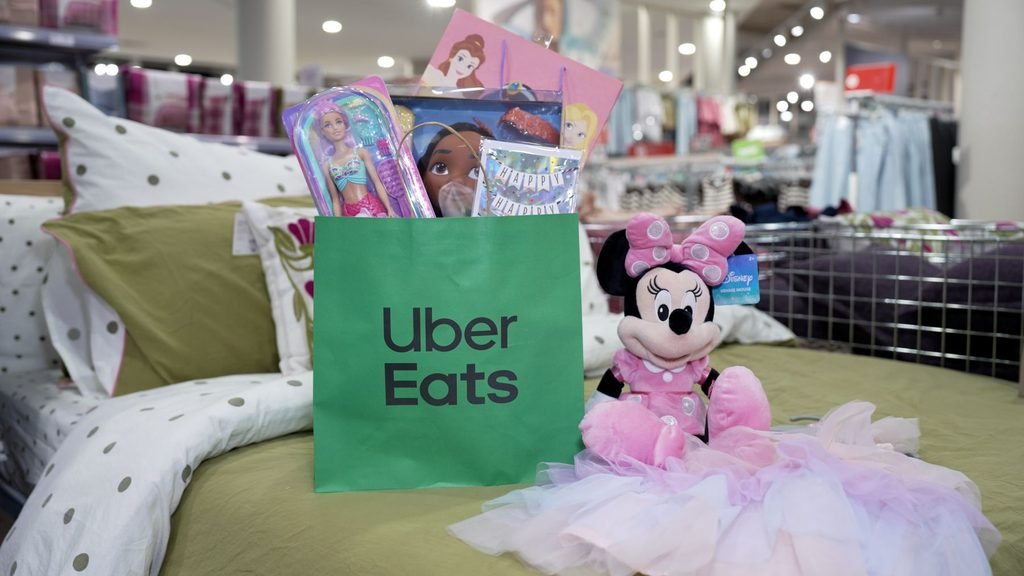
The operational reality of delivering apparel in sixty minutes
Delivering prepared takeout or packaged groceries is structurally simple compared to managing a department store catalogue. Clothing sizing runs out quickly, inventory counts can fluctuate on busy weekends, and finding a specific cut or colour from a rack requires significantly more manual effort than grabbing milk from a refrigerated display.
Target has spent several years investing heavily in digital infrastructure, integrating backend inventory tracking with its wider retail network alongside sister brand Kmart. The real technical test for this partnership will be the speed and accuracy of real-time inventory synchronization. If an item shows as available in the app, but a physical shopper has just walked up to the register with that final unit in hand, fulfillment hiccups can happen quickly.
If Target can maintain tight inventory synchronization and hit the promised sub-60-minute delivery threshold reliably, this integration turns department store stock into on-demand utility. For Australian shoppers who cannot spare the time to fight for suburban shopping centre parking, having immediate access to 25,000 retail items right from their smartphone offers undeniable everyday practicality.
For more information, head to Target Australia.
For more tech updates, stay tuned to our blog.