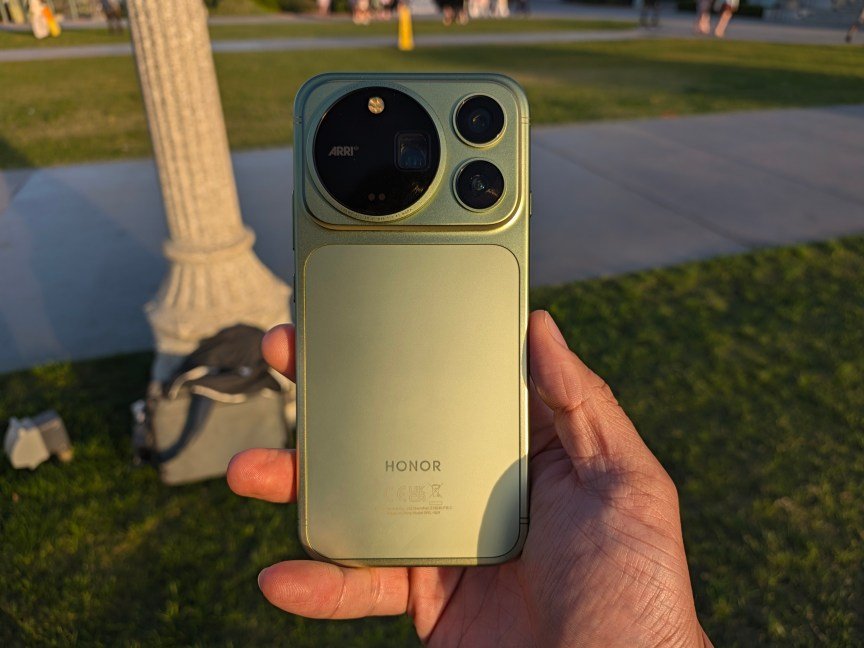
The Honor Magic 9 Pro Max in moss green.Mike Sorrentino/CNET While standing on the roof of the Griffith Observatory in Los Angeles for the first time, I pulled out my phone to commemorate the moment by filming a video that pans toward the Hollywood sign. And then I did it again, using a special cinema
While standing on the roof of the Griffith Observatory in Los Angeles for the first time, I pulled out my phone to commemorate the moment by filming a video that pans toward the Hollywood sign. And then I did it again, using a special cinema mode created by the legendary movie camera company ARRI to give it some old Hollywood flair. The second video had a grainier look and could have been shot in the 1960s, with the sky appearing teal.

This might look like a filter, but it’s actually ARRI’s Nostalgia look — one of many color configurations available on the company’s cinema cameras, which start at $80,000. I’m using it on a smartphone from the Chinese company Honor.

This Honor Magic 9 Pro Max, announced Wednesday, looks a lot like an iPhone 18 Pro Max, with a similar unibody metal design and two-tone back glass. I used the phone in a comforting moss green, but it also comes in shadow black and glacier silver.
Honor’s focus on video production underscores the increasing trend of smartphone use in studio environments. And the company is banking on its partnership with ARRI to help its Magic 9 Pro Max stand out among a number of phones with their own Hollywood pedigree — including the iPhone.
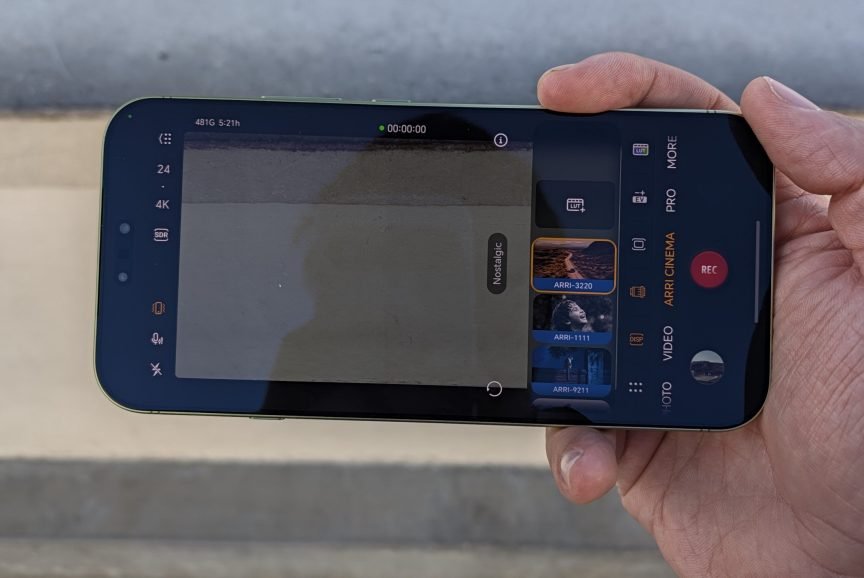
Even if you aren’t familiar with ARRI, you’ll likely know movies filmed with the company’s cameras, such as 2022’s Everything Everywhere All at Once and 1947’s Dark Passage, starring Humphrey Bogart and Lauren Bacall. ARRI’s cameras are designed for movie sets and priced accordingly, costing $65,000 to upward of $95,000 new. Instead of creating a cheaper camera, ARRI is bringing its color technology to the Magic 9 Pro Max’s camera app, which includes a dedicated ARRI Cinema mode.
This cinema mode uses the phone’s 200-megapixel wide and 200-megapixel telephoto cameras and lets you capture video with a wider 2.39:1 aspect ratio — similar to what’s used in theatrical releases. Cinema geeks may be particularly interested in the mode’s access to ARRI’s Look Library and its ability to install LUT files. Some are preloaded, while others can be downloaded from Honor’s and ARRI’s websites.
To put it as simply as I can, Looks and LUT files allow you to record video with a variety of cinema-like looks, including settings that can closely mimic an ARRI Alexa camera.
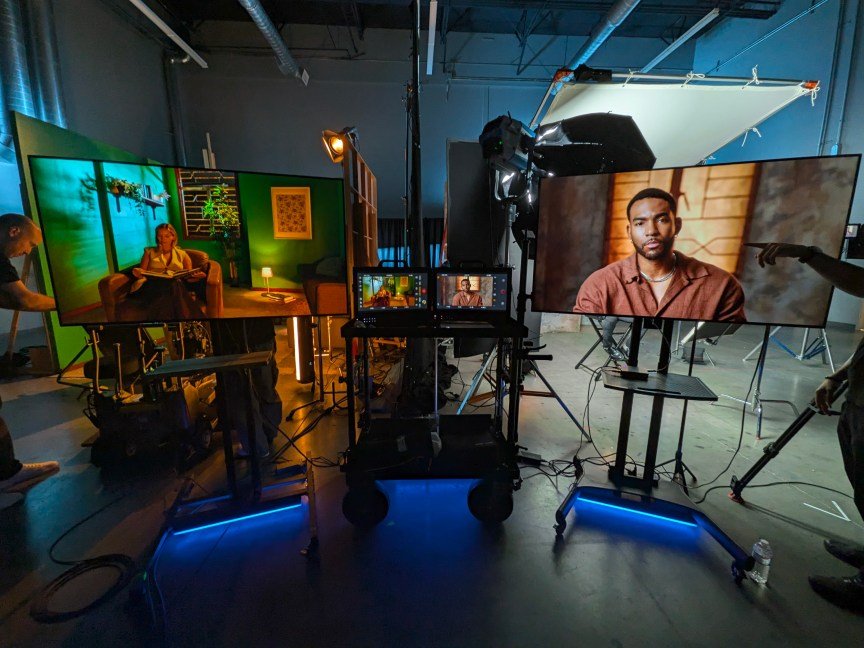
During a media demonstration at ARRI’s Los Angeles facility, two different film sets were recorded by both an Alexa camera and a Magic 9 Pro Max with similar looks and LUT settings. Both sets had ideal lighting, but the recorded footage showed similar color shading and detail. An ARRI rep pointed out that you have to look at the fine details, like the shadows of a bookshelf, to see the differences between the phone and cinema camera. Clearly, the Alexa camera was far better at capturing the scene, as it should.

Using the Magic 9 Pro Max, I filmed my own faux rainy-evening scene featuring dark green walls, a brown set and two actors speaking to each other. While I do like the set’s movie-like look, I was more impressed when I shuffled through the different ARRI Looks while watching the sunset at Griffith Observatory. Like the iPhone’s Photographic Styles for still images, ARRI Looks offer plenty of choices for video, including several black-and-white options. It’s fun to know that they’re the same options available to camera teams using ARRI’s full-fledged cinema cameras.
Honor hasn’t shared the Magic 9 Pro Max’s price or release date, but it won’t be coming to the US. However, it does have quite the spec list beyond its ARRI Cinema mode, including a 6.8-inch display, an 8,000-mAh battery with 100-watt wired charging and 80-watt wireless charging. The phone’s powered by the new Qualcomm Snapdragon 8 Elite Extreme Gen 6 processor.
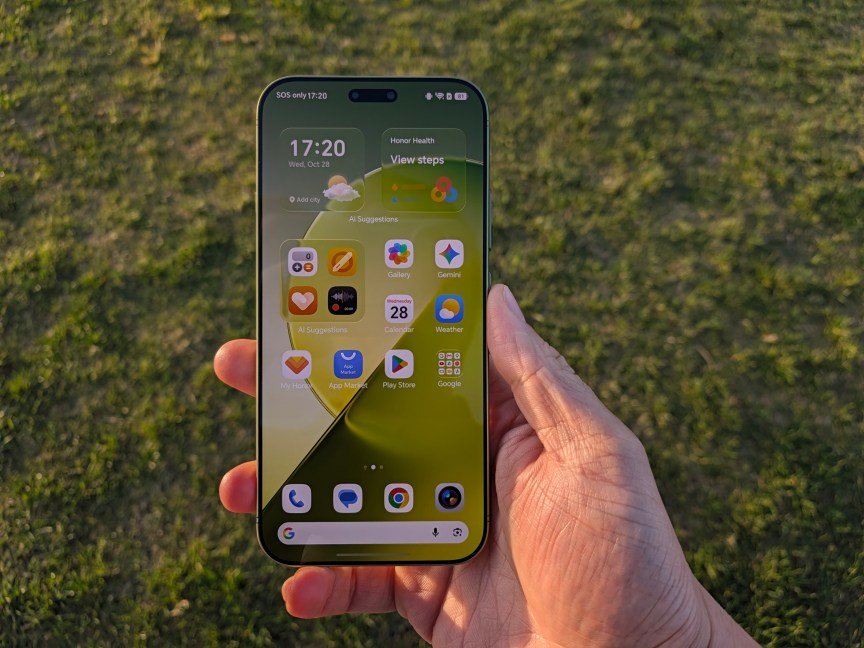
A 50-megapixel ultrawide camera joins the wide and telephoto cameras, but it doesn’t support the ARRI Cinema mode. The 55-megapixel front-facing camera uses a square sensor, like Center Stage on recent iPhones, allowing vertical selfies whether you’re holding the phone vertically or horizontally. Honor said this is a first for Android. I’m hopeful that more Android phone companies will bring this feature to their front-facing cameras in 2027.
The phone also ships with Android 17 and Honor’s MagicOS 11 overlay (it looks a lot like iOS 27), and joins other Android phones with support for Apple’s AirDrop via Quick Share.
As it stands, Apple’s iPhone 18 Pro Max is being used in some baseball broadcasts, and the 2025 film 28 Years Later was shot primarily using the iPhone 15 Pro Max. Honor’s partnership with ARRI might lead to more cinema-quality features on smartphones, especially if more productions decide the pocket-sized camera is the right way to tell more big-screen stories.
Editors’ note: Mike Sorrentino’s travel costs for the Honor event were covered by Honor. The judgments and opinions of CNET are our own.

See full bio
Keep following us for the latest insights.