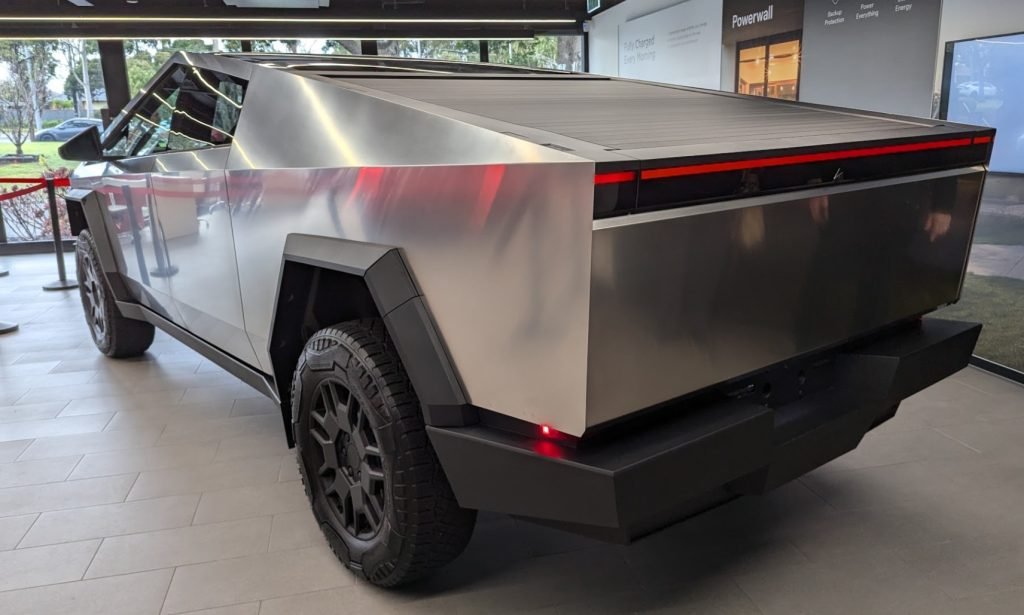
Tesla’s futuristic Cybertruck has had one of the most controversial vehicles in history. Those who love it, really love it and those that don’t feel very strongly about it. While the Cybertruck set a number of new standard in the industry on a number of technical fronts, it’s hard to deny that it didn’t meet
Tesla’s futuristic Cybertruck has had one of the most controversial vehicles in history. Those who love it, really love it and those that don’t feel very strongly about it.
While the Cybertruck set a number of new standard in the industry on a number of technical fronts, it’s hard to deny that it didn’t meet it’s sales targets to rival the Ford F-series trucks (around 250,000 units).
Elon Musk has announced that the Cybertruck will cease production at Gigafactory Texas in the middle of 2027, and for those paying attention, this was the only location it was made. This effectively means the product is being sunset.
The rationale being that Tesla will focus the production lines on the new mass-market vehicle – Cybercab.
We’ve always know Tesla’s commitement to FSD has been unwaivering, with a ultimate objective of making the roads safer, they need to flood the streets with driverless vehicles and deliver a cost of transport far less than owning your own car or alternative ride sharing serviecs.
Cybercab, powered by FSD has a great chance to do that, with no driver to pay and the economics of a vehicle with less components (no wheel or pedals (or even mirrors).
Tesla recently announced they would not bring the Cybertruck to Australia, which is now followed by the end of production globally. This follows the same story of Model S and X which also failed to meet agressive sales targets to justify their place in the factory.
Cybertruck lead engineer Wes, also just shared goodbye to the vehicle he and his team worked so tirelessly on.
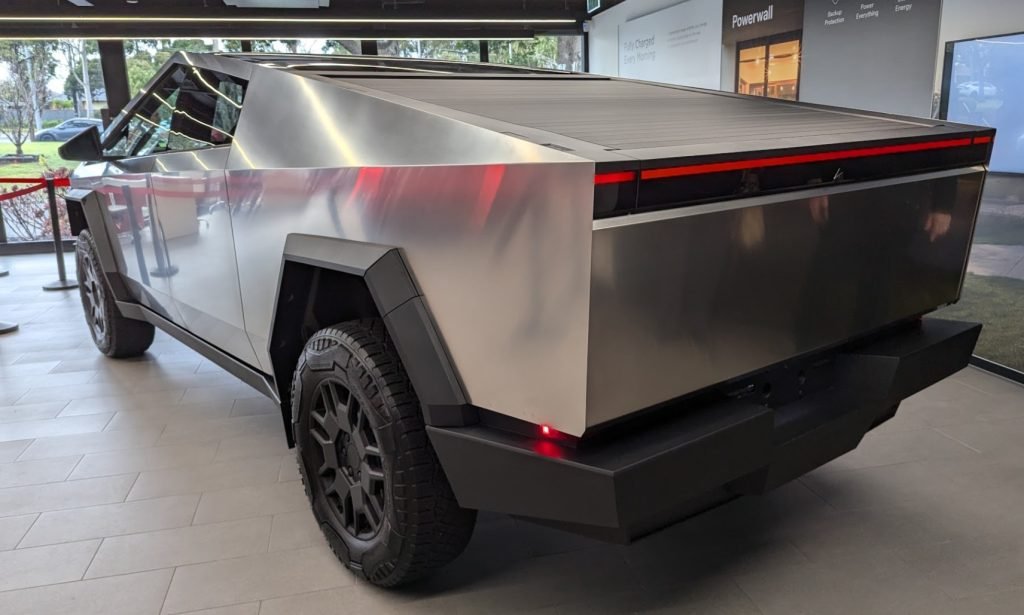
I got to visit the Cybertruck a couple of times in Melbourne showrooms and once in an Adelaide showroom.. these were unlike anything else and it’s a shame it couldn’t be delivered at a lower cost, something that I believe directly contributed to the challenges of converting what was millions of pre-orders to actual deliveries.
Keep following us for the latest insights.