
Get the Popular Science daily newsletter💡 Breakthroughs, discoveries, and DIY tips sent six days a week. By signing up, you confirm you are 16+, will receive newsletters and promotional content and agree to our Terms of Use and acknowledge the data practices in our Privacy Policy. You may unsubscribe at any time. NASA is ringing
NASA is ringing in the country’s 250th anniversary with a collection of Fourth of July themed images and videos highlighting cosmic wonders far beyond the United States. Researchers recently visualized a set of images across a spectrum of red, white, and blue hues compiled by the Chandra X-ray Observatory as well as the James Webb Space Telescope (JWST). To compliment the sights, NASA also produced new sonifications—a method to transform astronomical information into often ethereal soundscapes.
About 11,000 light-years away from Earth, the supernova Cassiopeia A’s X-rays (seen above) are rendered in blue and purple, while infrared wavelengths are shown in red and white using data from JWST. The X-ray overlays capture the destroyed star’s expansive blast wave of elements including calcium, iron, and oxygen. Meanwhile, the infrared components illustrate the explosion’s growing shell filled with cosmic dust.
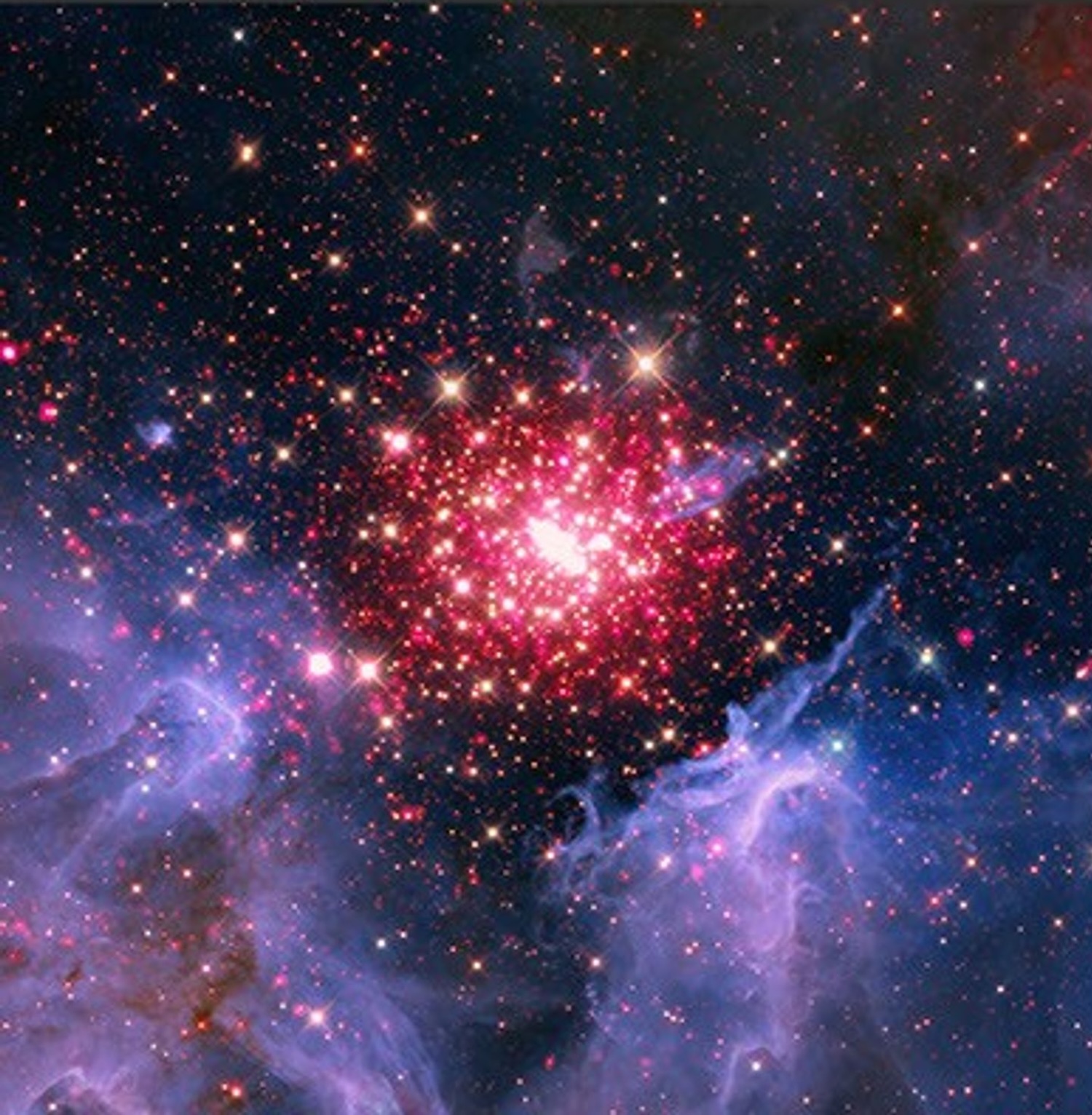
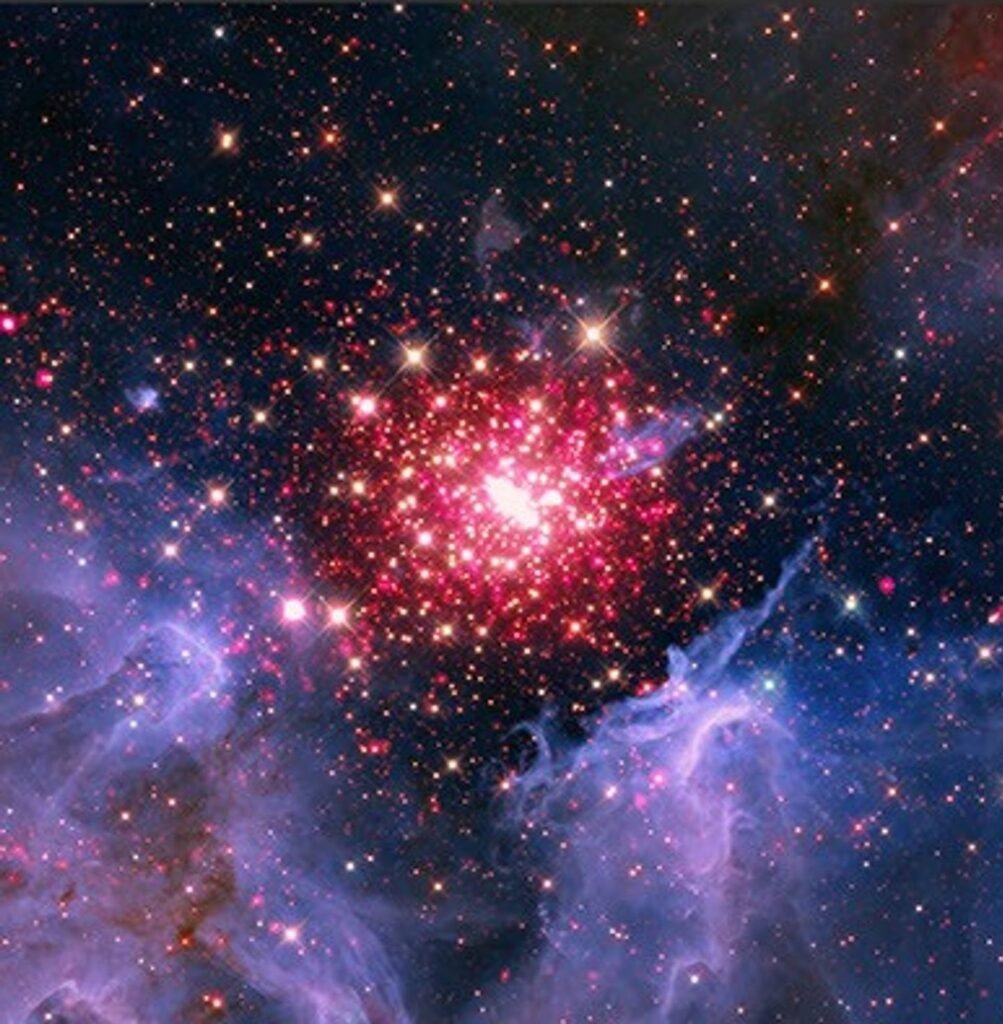
The gigantic star cluster inside the nebula NGC 3603 (about 20,000 light-years away) shines in a second image.
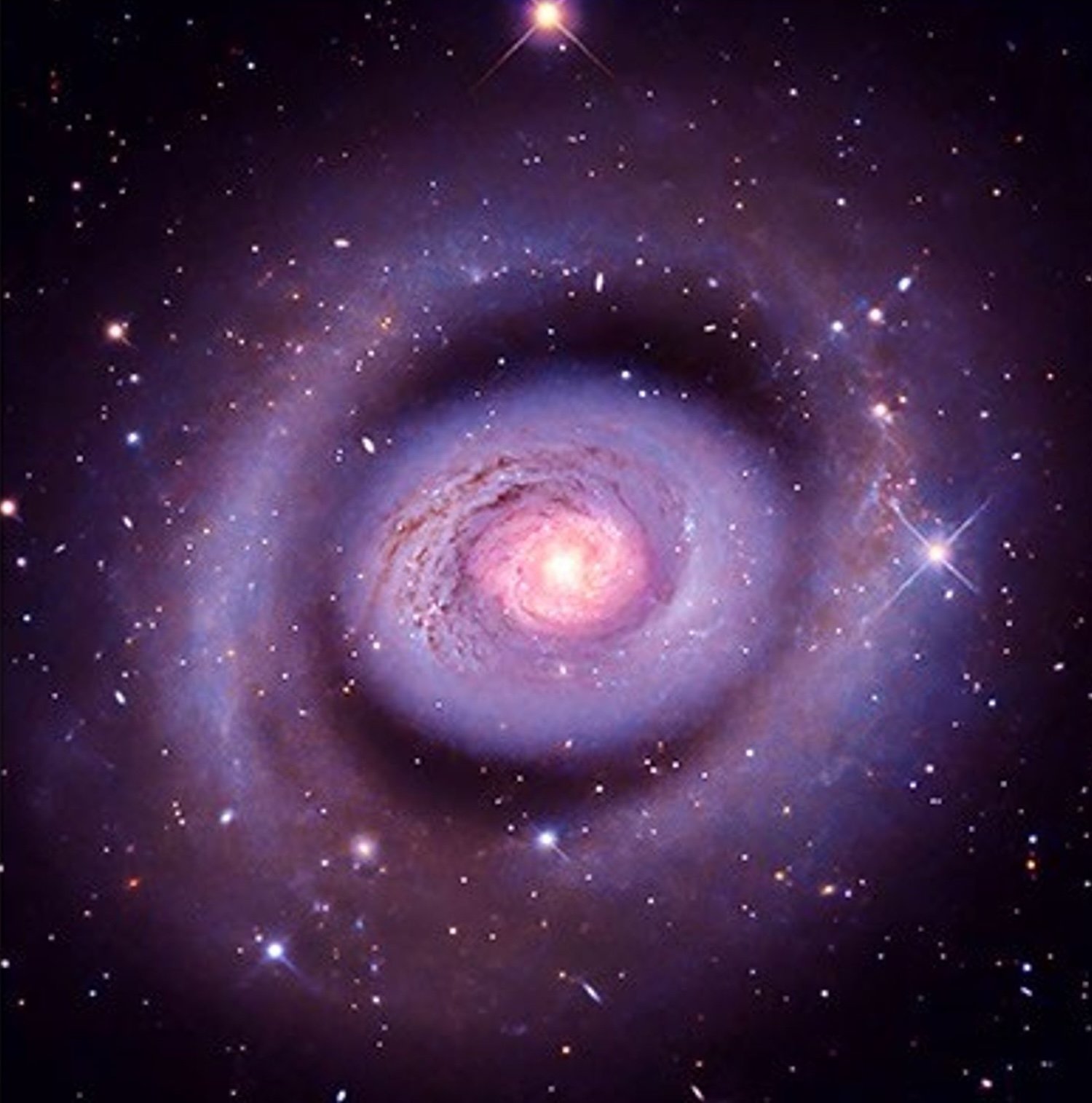
The third showcases the Messier 94 spiral galaxy. The luminous formation about 16 million light-years away visible around the galaxy is called a starburst ring, home to new stars. The new sonification subjects include Messier 94, with various pitched tones mapped to a glass marimba representing objects like neutron stars and stellar-mass black holes.

NGC 4736 Sonification
For the nebula NGC 3603, piano notes serve as stand ins for objects depending on their brightness.

NGC 3603 Sonification
To see and hear all of the seasonally appropriate offerings, click here.

2025 PopSci Best of What’s New



















Leave a Comment
Your email address will not be published. Required fields are marked with *