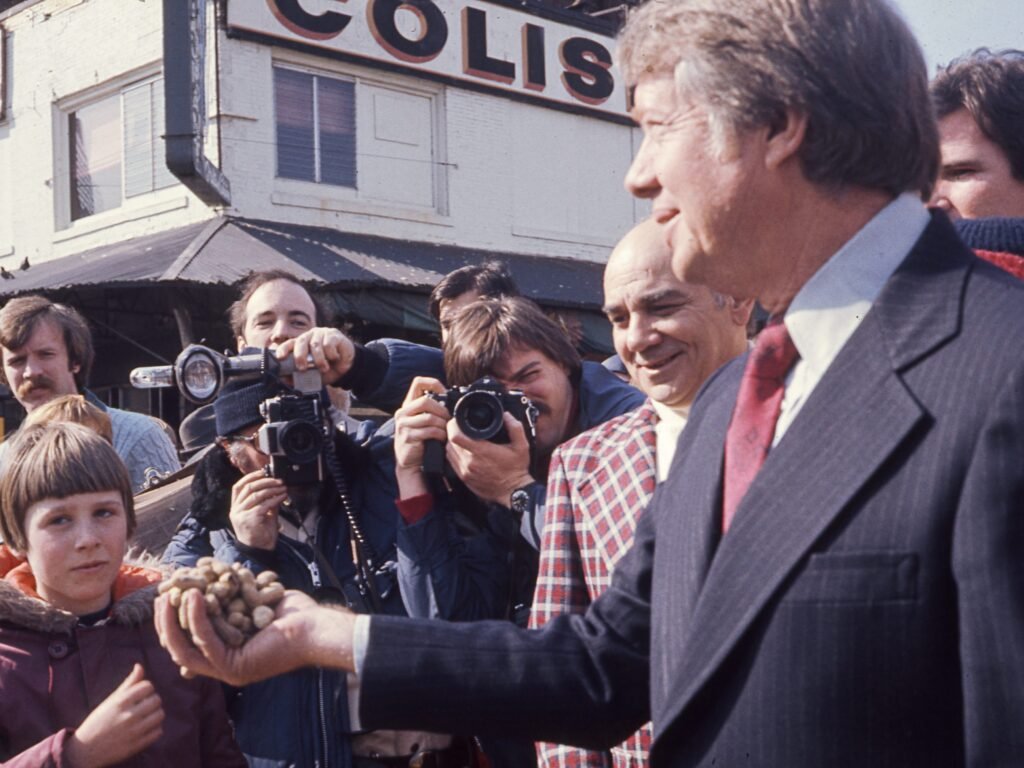
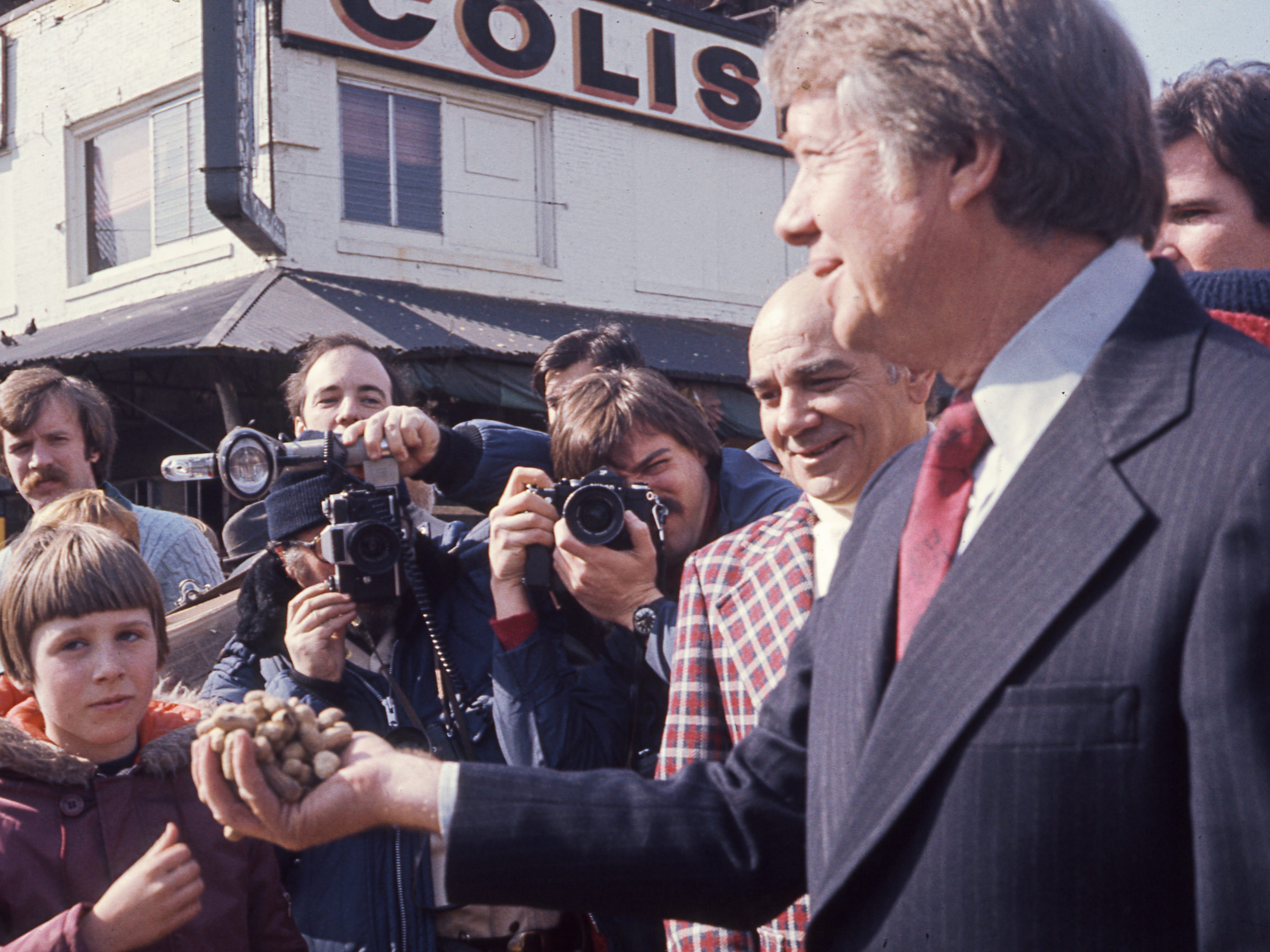
Jimmy Carter worked as a peanut farmer before becoming president of the United States. Mikki Ansin/Getty Images Some American presidents had unexpected jobs before reaching the White House. Abraham Lincoln worked as a postmaster in New Salem, Illinois. John F. Kennedy was a journalist and reported on the end of World War II. While many
Mikki Ansin/Getty Images
- Some American presidents had unexpected jobs before reaching the White House.
- Abraham Lincoln worked as a postmaster in New Salem, Illinois.
- John F. Kennedy was a journalist and reported on the end of World War II.
While many American presidents had established careers in politics long before reaching the White House, some played other roles that might not have been expected.
From farmers and teachers to military and legal careers, the resumes of American presidents may be less standard than you might think.
Abraham Lincoln delivered mail in New Salem, Illinois, and John F. Kennedy worked as a foreign correspondent for Hearst Newspapers.
Take a look at the jobs these 21 US presidents had before taking office.
The Print Collector/Print Collector/Getty Images
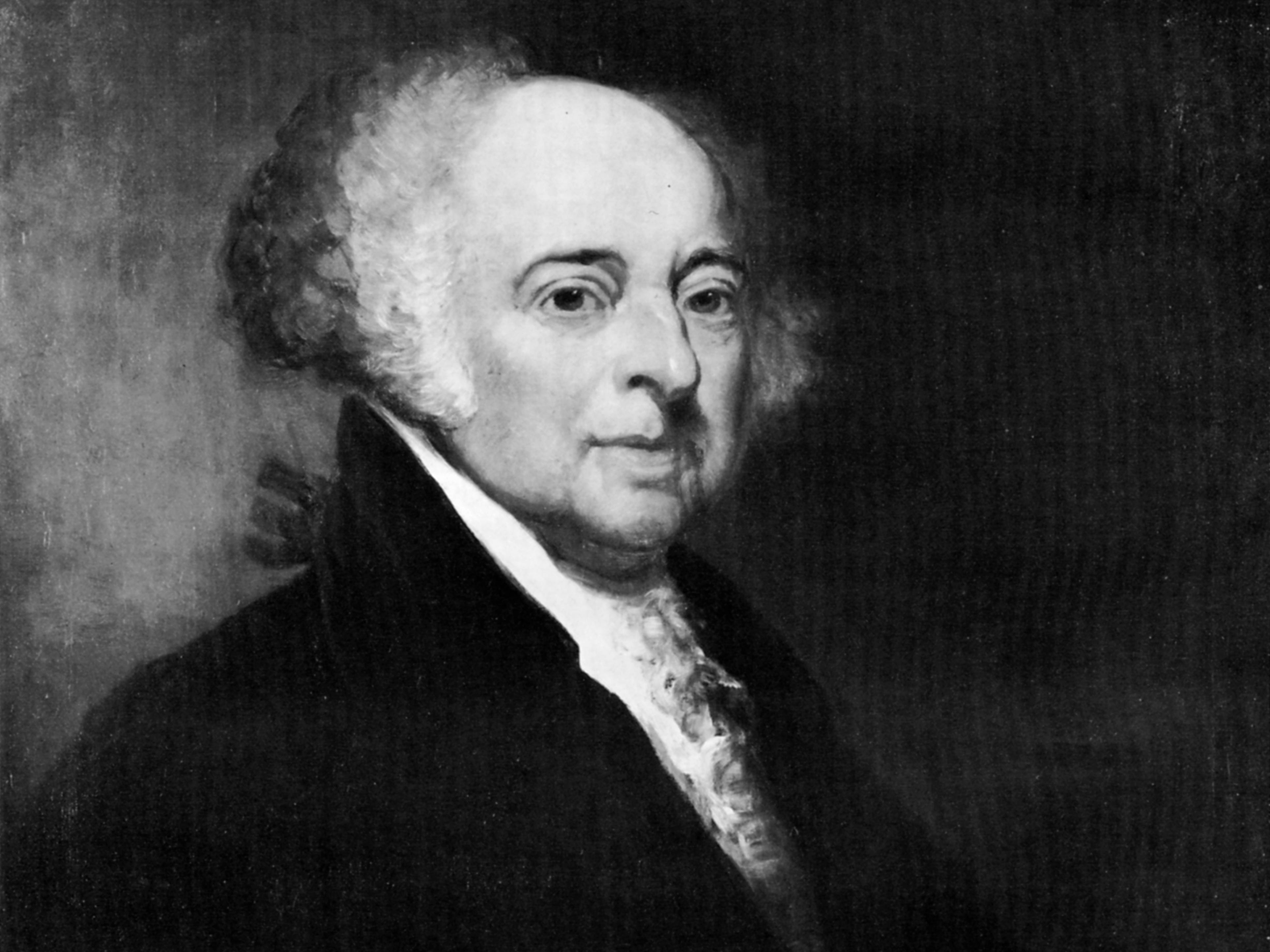
John Adams worked as a diplomat in France, the Netherlands, and Great Britain between 1778 and 1788.
However, PBS reported: “His independent and uncompromising temperament was not ideal for diplomacy, and his diplomatic triumphs were offset by feelings of alienation.”
Universal History Archive/Getty Images
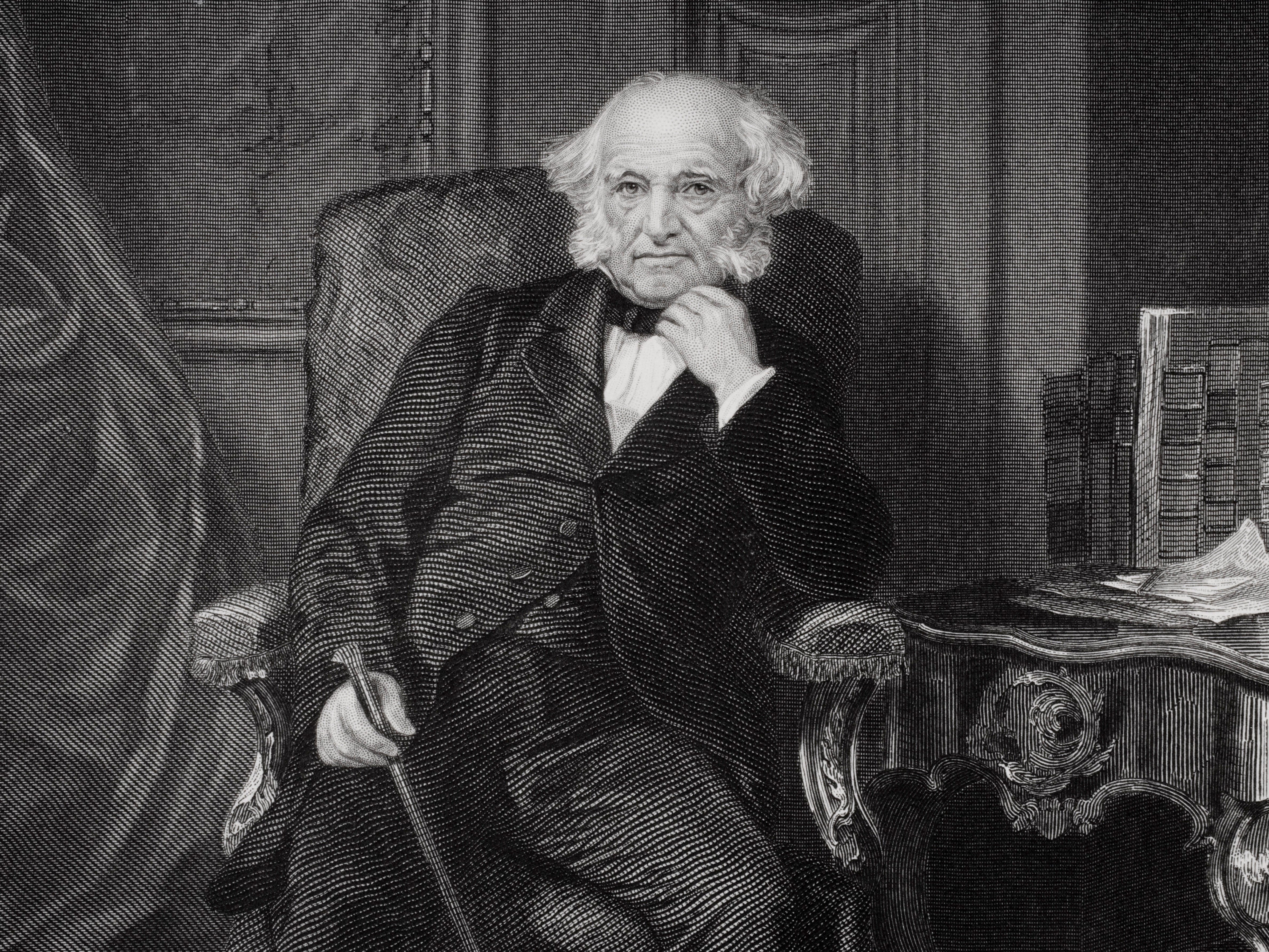
Martin Van Buren served two terms in the New York State Senate and was elected attorney general of New York in 1815.
During his tenure, he “proved to be an expert politician, using political appointments and financial contributions to secure votes, effectively establishing what would prove to be the foundations of the modern political machine,” as reported by Biography.com.
Mathew B. Brady: LIFE Image Collection/Getty Images
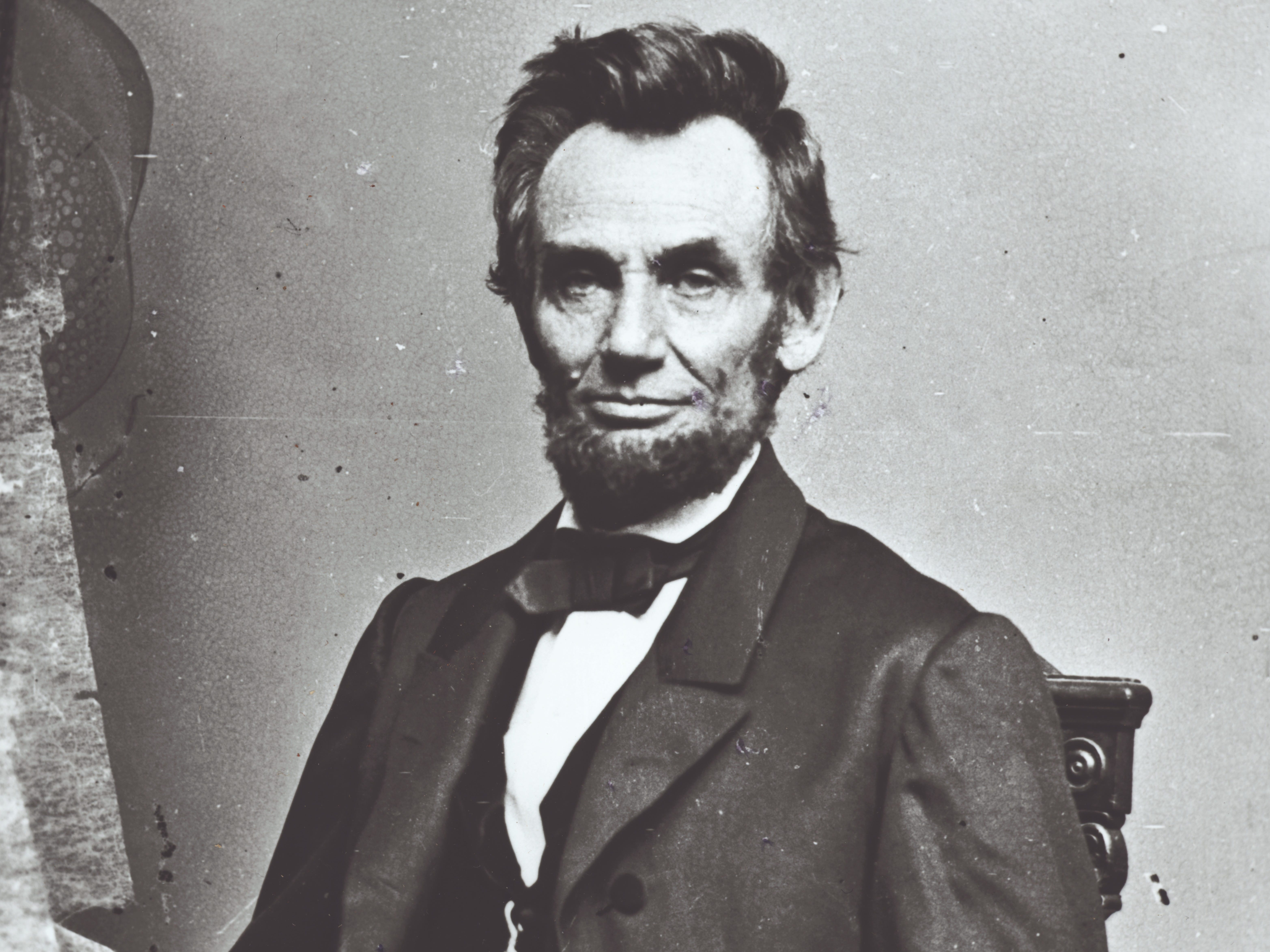
Abraham Lincoln was appointed postmaster of New Salem, Illinois, in 1833 and served until 1836.
Mail arrived in New Salem once a week, and if someone didn’t pick it up at the post office, Lincoln would deliver it to them personally, according to USPS.
Glasshouse Vintage/Universal History Archive/Universal Images Group via Getty Images
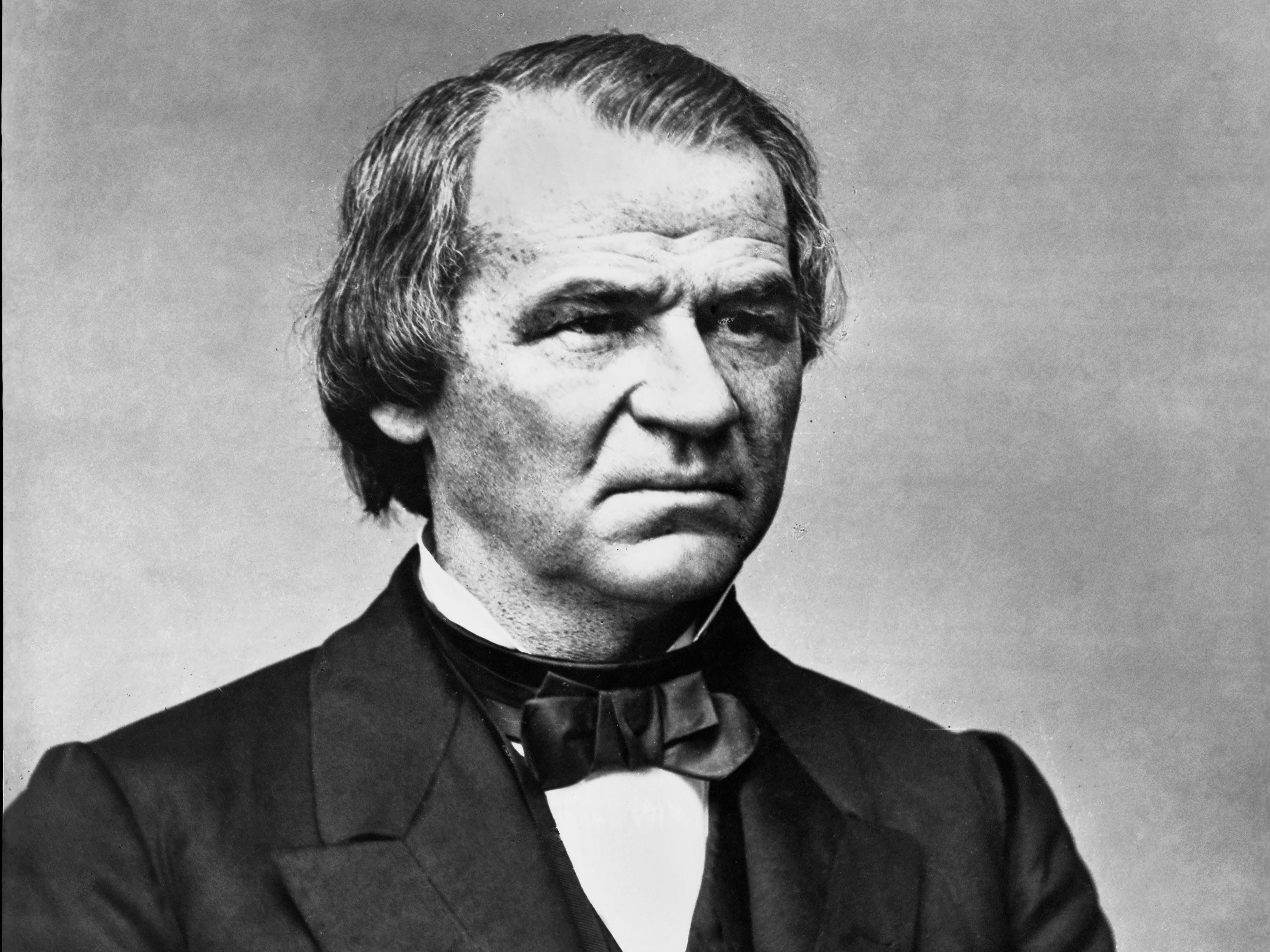
Andrew Johnson began working as a tailor in Greeneville, Tennessee, when he was only 17 years old.
“When I was a tailor, I always made tight cuts, was always punctual with my customers, and did a good job,” Johnson said, according to the National Park Service.
Library of Congress
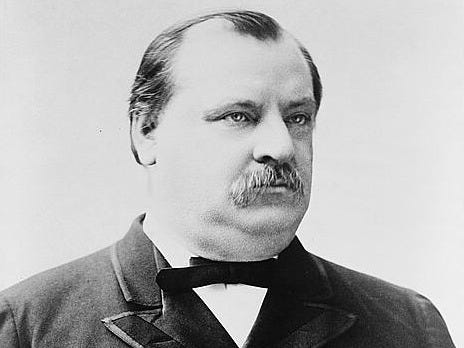
Grover Cleveland was sheriff of Erie County, New York, from 1871 to 1873, a role that required him to supervise executions. He is believed to have personally carried out hangings during his two-year term.
AP Photo
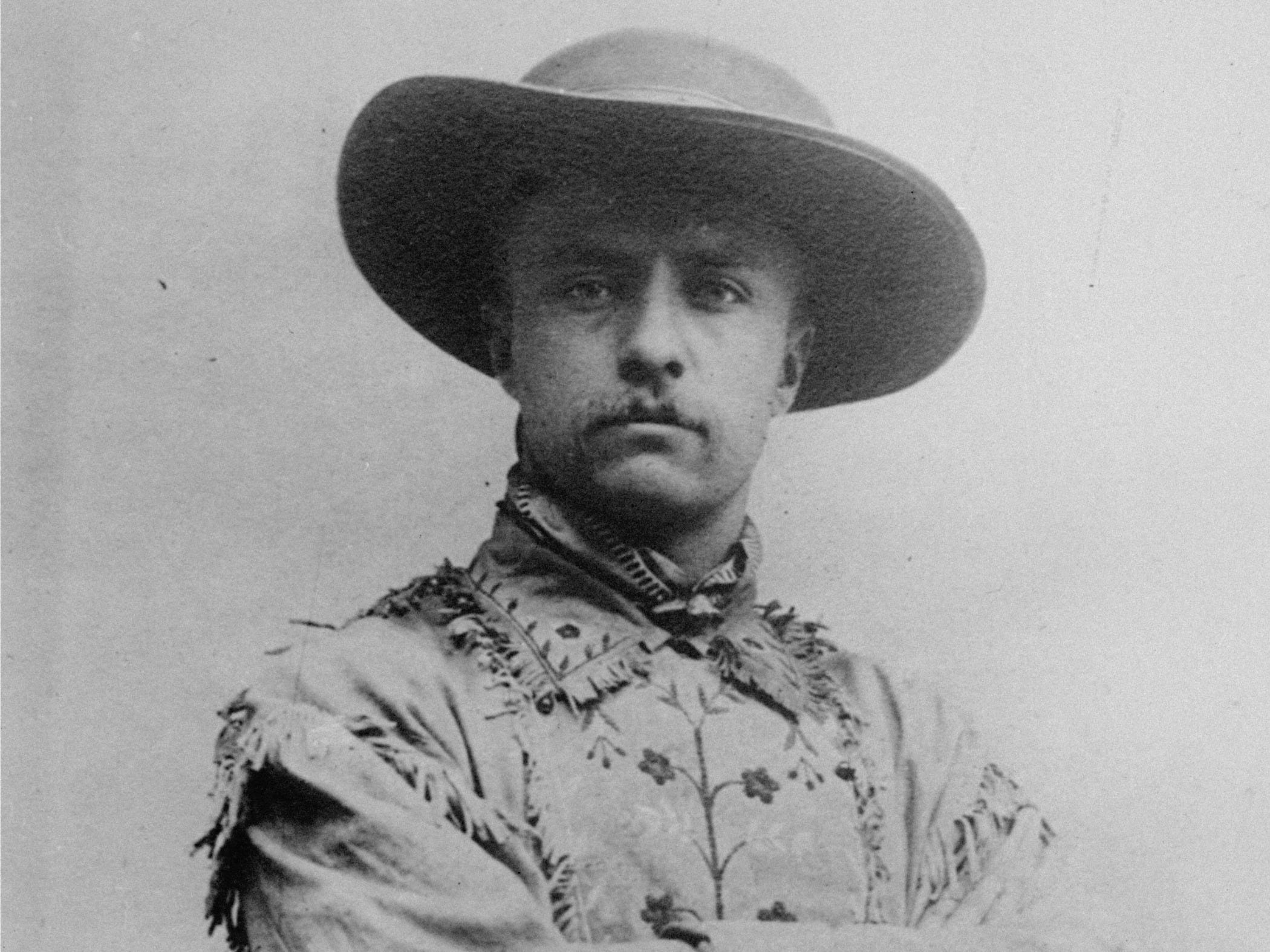
Theodore Roosevelt became a rancher after a hunting trip to the Badlands of North Dakota in 1883.
He was so captivated by the beauty of the area and its opportunities that he purchased a ranch and cattle.
Archive Photos/Getty
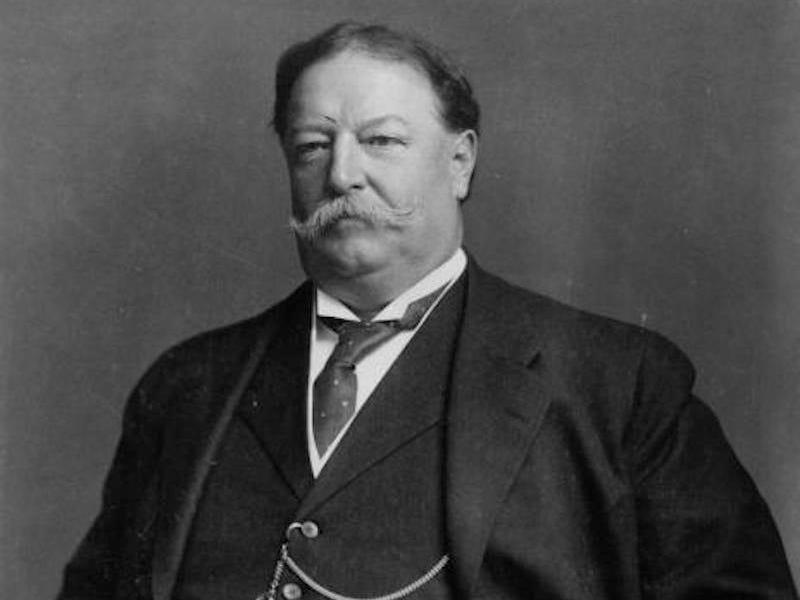
William Taft was appointed head of the Philippine Commission by President McKinley in 1900.
Taft, his wife and three children lived in Southeast Asia for three years, during which he improved the local Filipino economy, according to Biography.com.
Bettmann/Getty Images
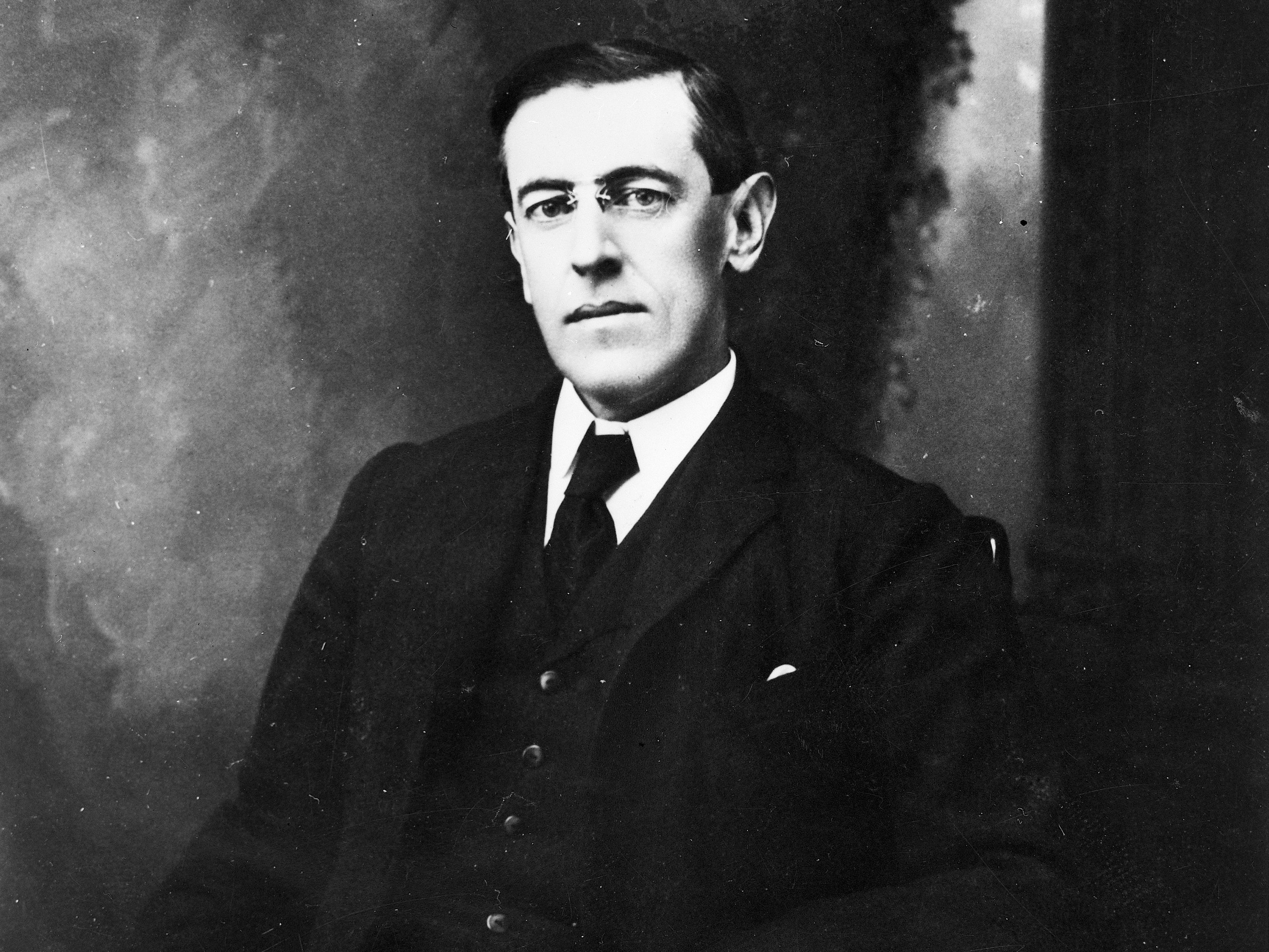
Woodrow Wilson became president of Princeton University in 1902 and served until 1910.
The university’s public policy school, which was renamed in honor of the president in 1948, had Wilson’s name removed in June 2020.
“We have taken this extraordinary step because we believe that Wilson’s racist thinking and policies make him an inappropriate namesake for a school whose scholars, students and alumni must be firmly committed to combating the scourge of racism in all its forms,” the board said.
Library of Congress
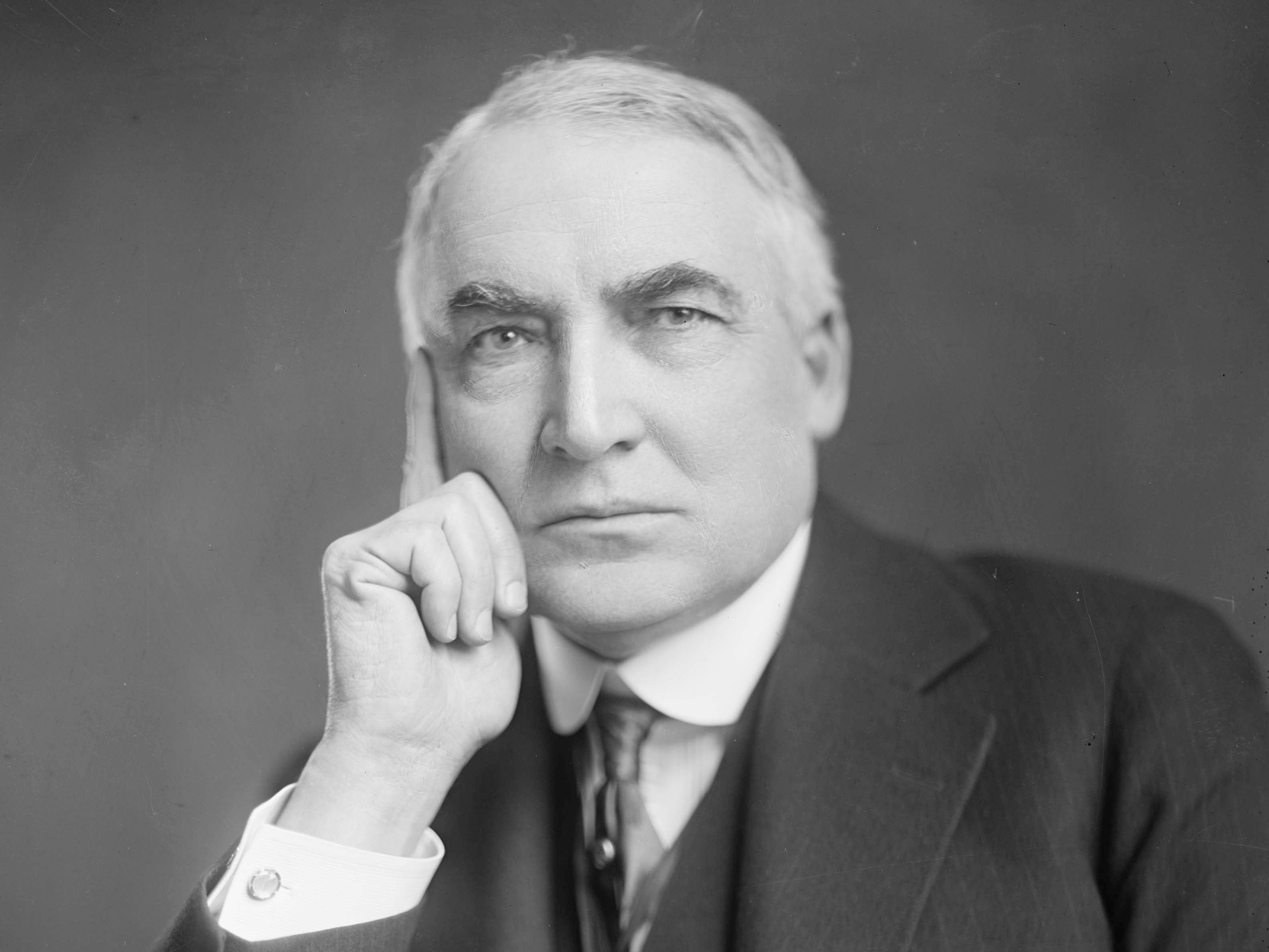
Warren Harding was a newspaper editor in Marion, Ohio.
Harding and two friends purchased the failing Marion Star for $300 in 1884.
He turned the almost defunct newspaper into a successful publication. According to the Marion Star, “He said someone once asked him, ‘Why write a newspaper?’ and said, ‘It combines my two passions, writing and the opportunity to create change.'”
Bettman/Getty Images
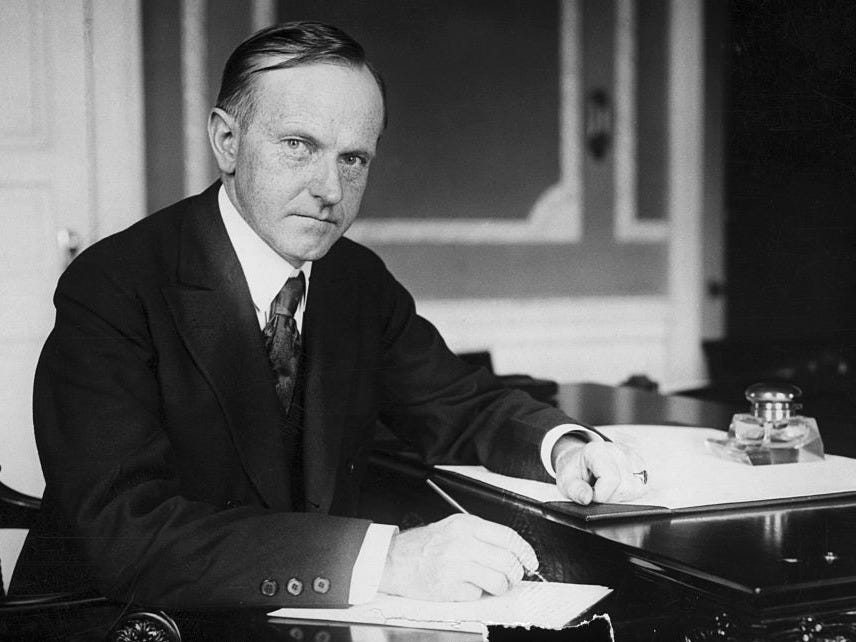
Calvin Coolidge was elected governor of Massachusetts in 1918 and served during the Boston police strike.
Coolidge sent a telegram to union leader Samuel Gompers that said, “No one, anywhere or at any time has the right to strike against public safety.”
His response to the strike made him famous nationwide and led to his selection as Warren Harding’s vice presidential candidate.
Thematic press agency/Getty Images
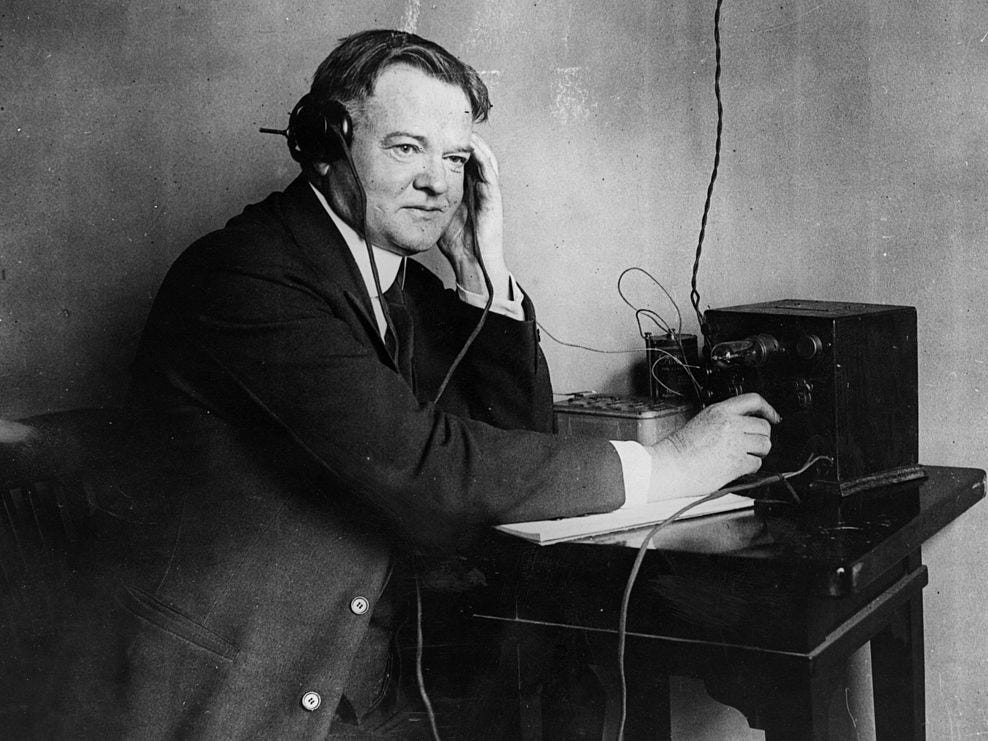
Hoover worked as a mining engineer in China from 1899 to 1902, working to “improve the profitability of its mines,” according to the National Archives.
Hulton Archive/Getty Images
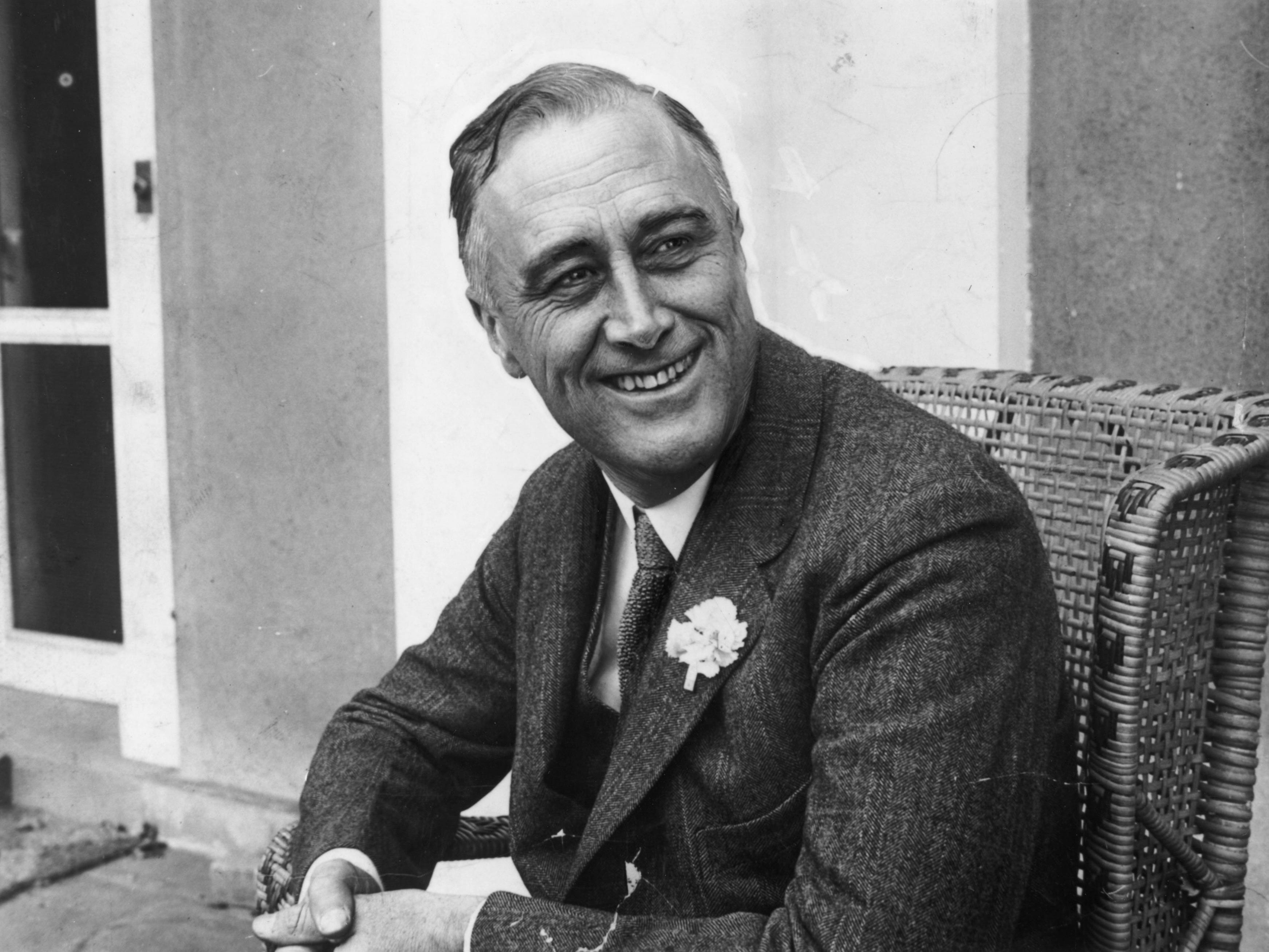
Franklin Delano Roosevelt was a lawyer in New York City at a law firm called Carter Ledyard and Milburn from 1907 to 1911.
However, Roosevelt did not like the profession and did not even graduate from Columbia University Law School; he left after passing the bar in 1907, the Miller Center reported.
Bettmann/Getty Images
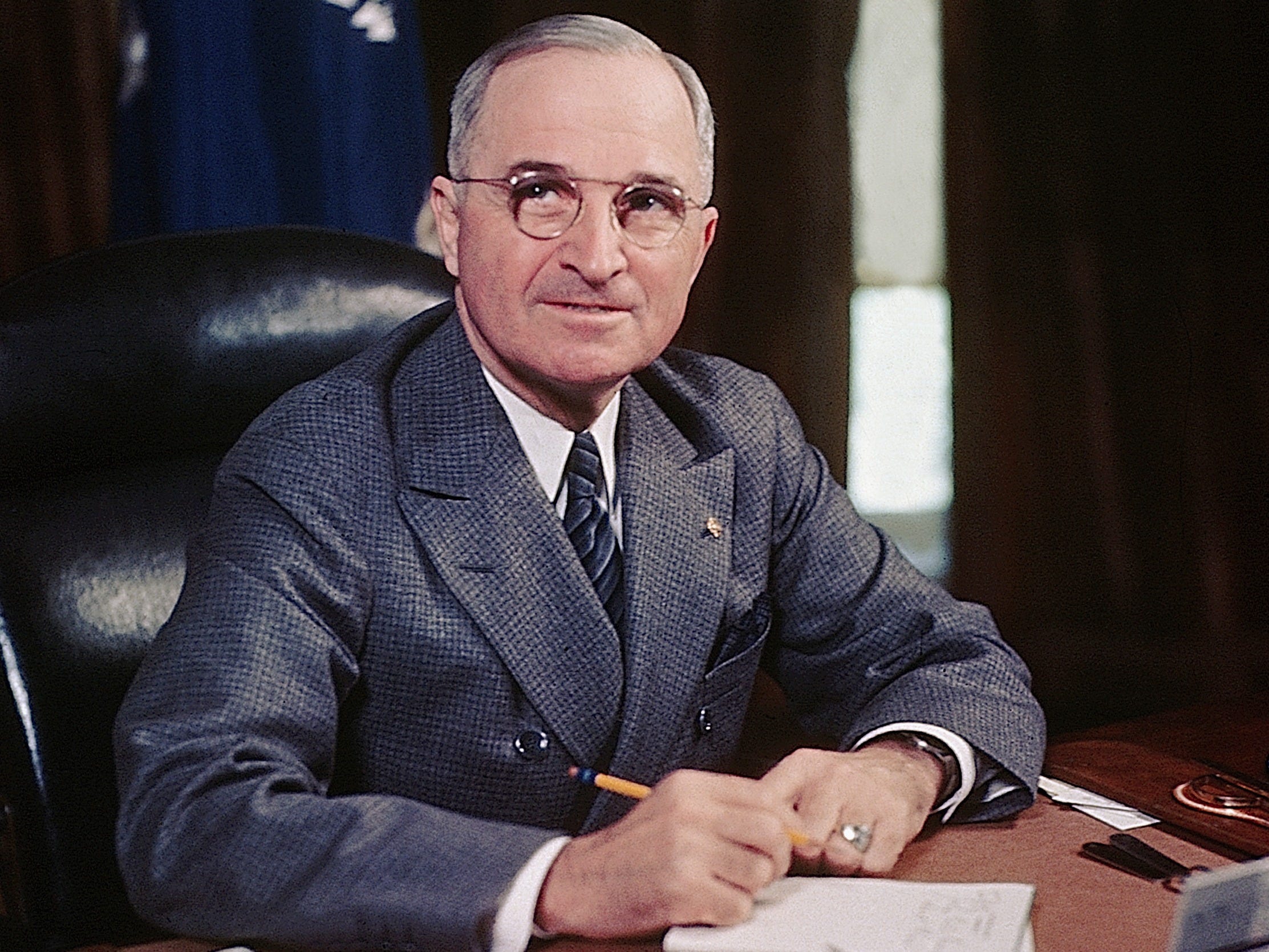
Harry Truman operated his family farm in Grandview, Missouri, for 11 years.
According to the National Archives, Truman was working at a bank in Kansas City when his father asked him to help manage the family farm owned by his widowed grandmother.
“It was on the farm that Harry got his common sense. He didn’t get it in the city,” his mother, Martha Truman, said of her son.
Photos by Fox/Getty Images
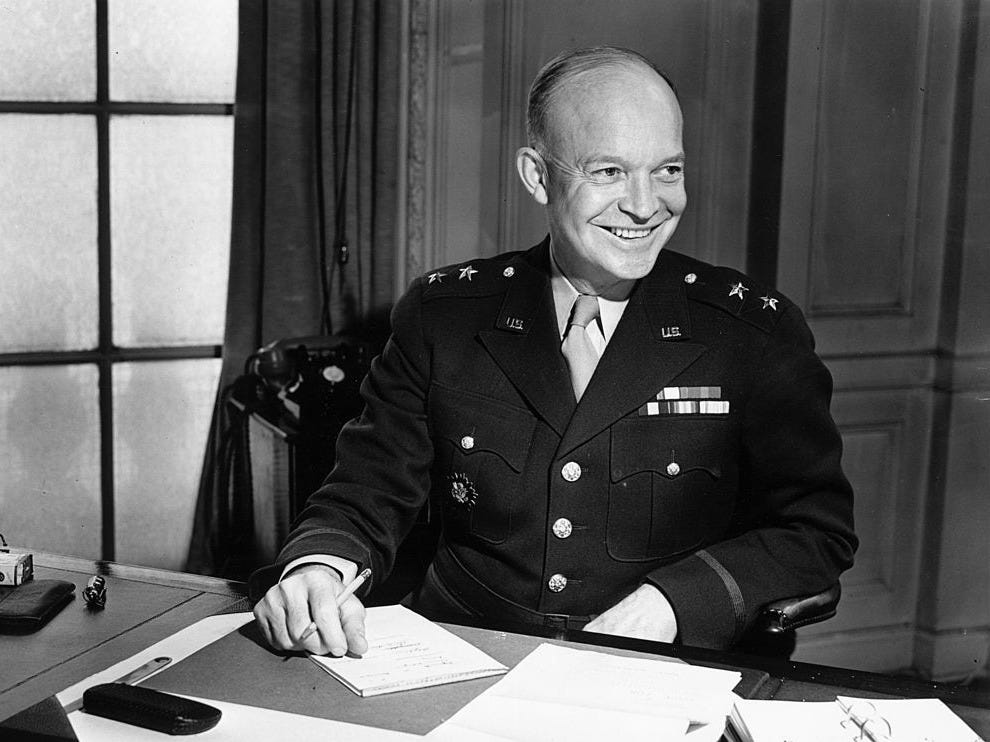
Dwight Eisenhower was the supreme commander of the Allied forces in Europe during World War II.
During that time, he “developed diplomatic skills that he would later employ as the 34th president of the United States,” History.com wrote.
William J. Smith/AP
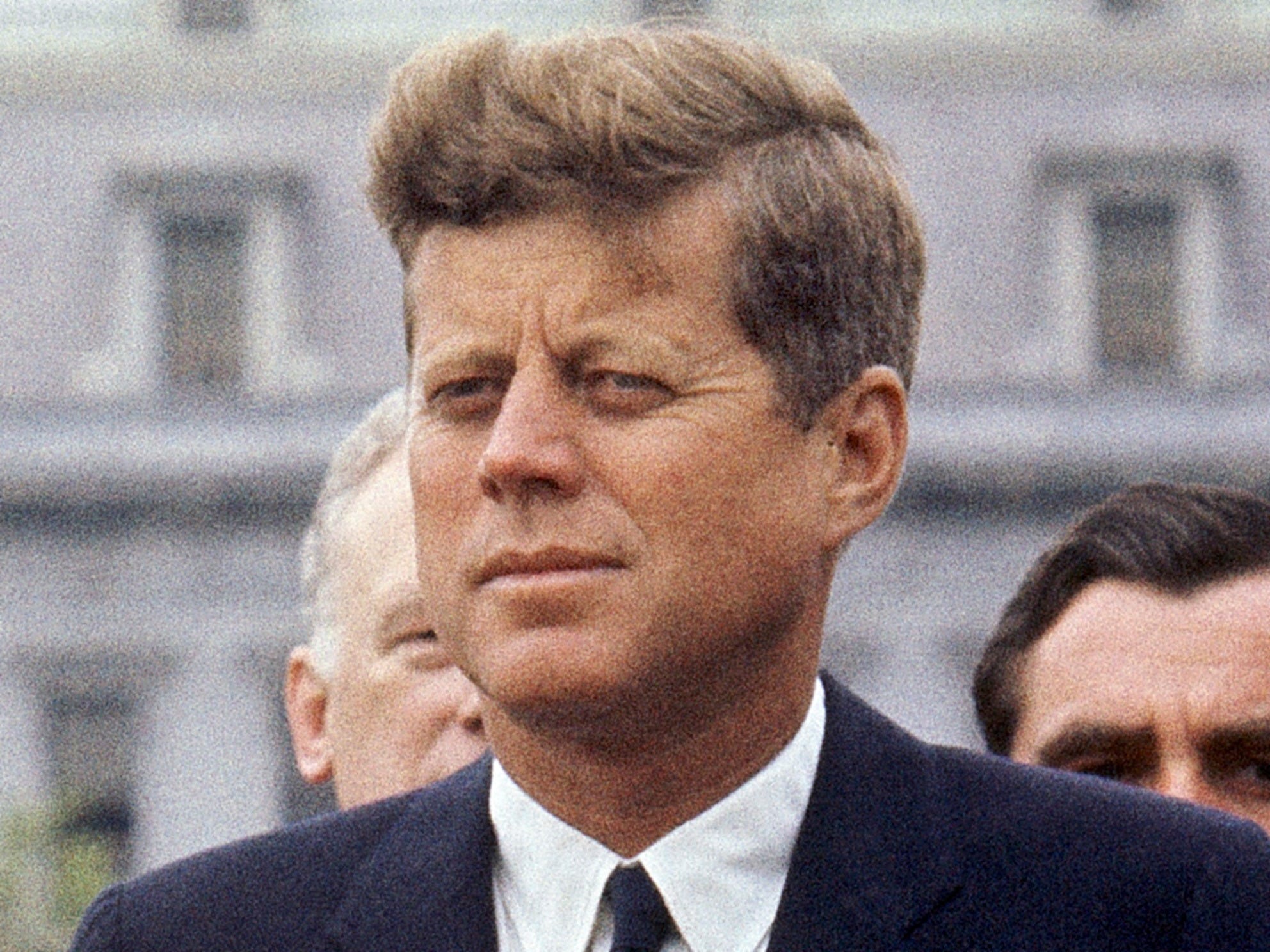
John F. Kennedy was a journalist for Hearst Newspapers. He covered World War II news during the summer of 1945.
As a foreign correspondent, Kennedy attended the first meeting of the United Nations, the Potsdam Conference, and other key meetings after the end of World War II.
AP Photo
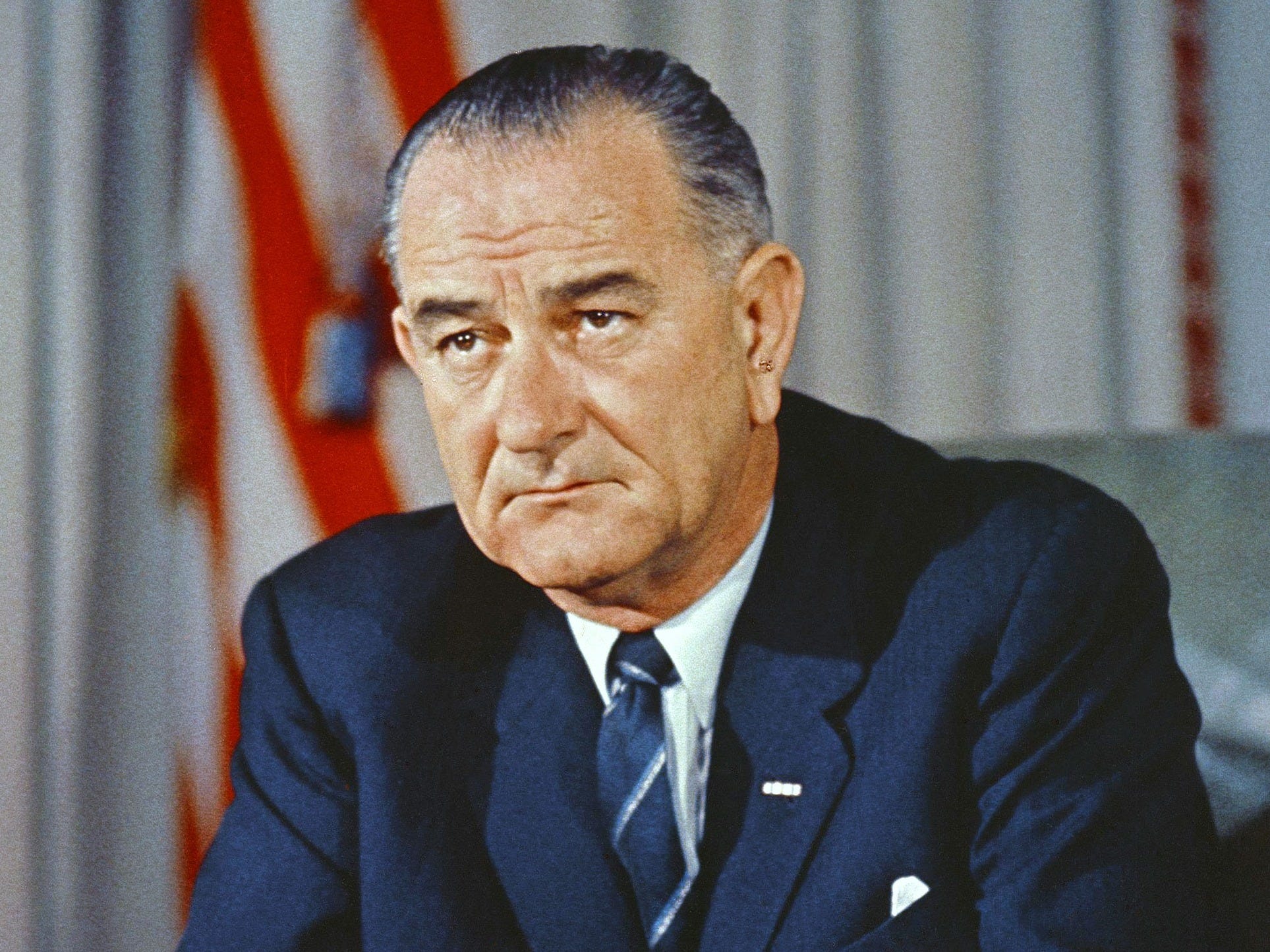
Lyndon B. Johnson was a teacher in Cotulla, Texas, when he was only 20 years old in 1928.
For a year, he taught Mexican-American students who were so poor that he saw them “going through a pile of trash, shaking coffee grounds out of grapefruit peels, and sucking the peels to get the juice that was left,” NPR reported.
He used part of his salary to buy softball equipment for students.
PhotoQuest/Getty Images
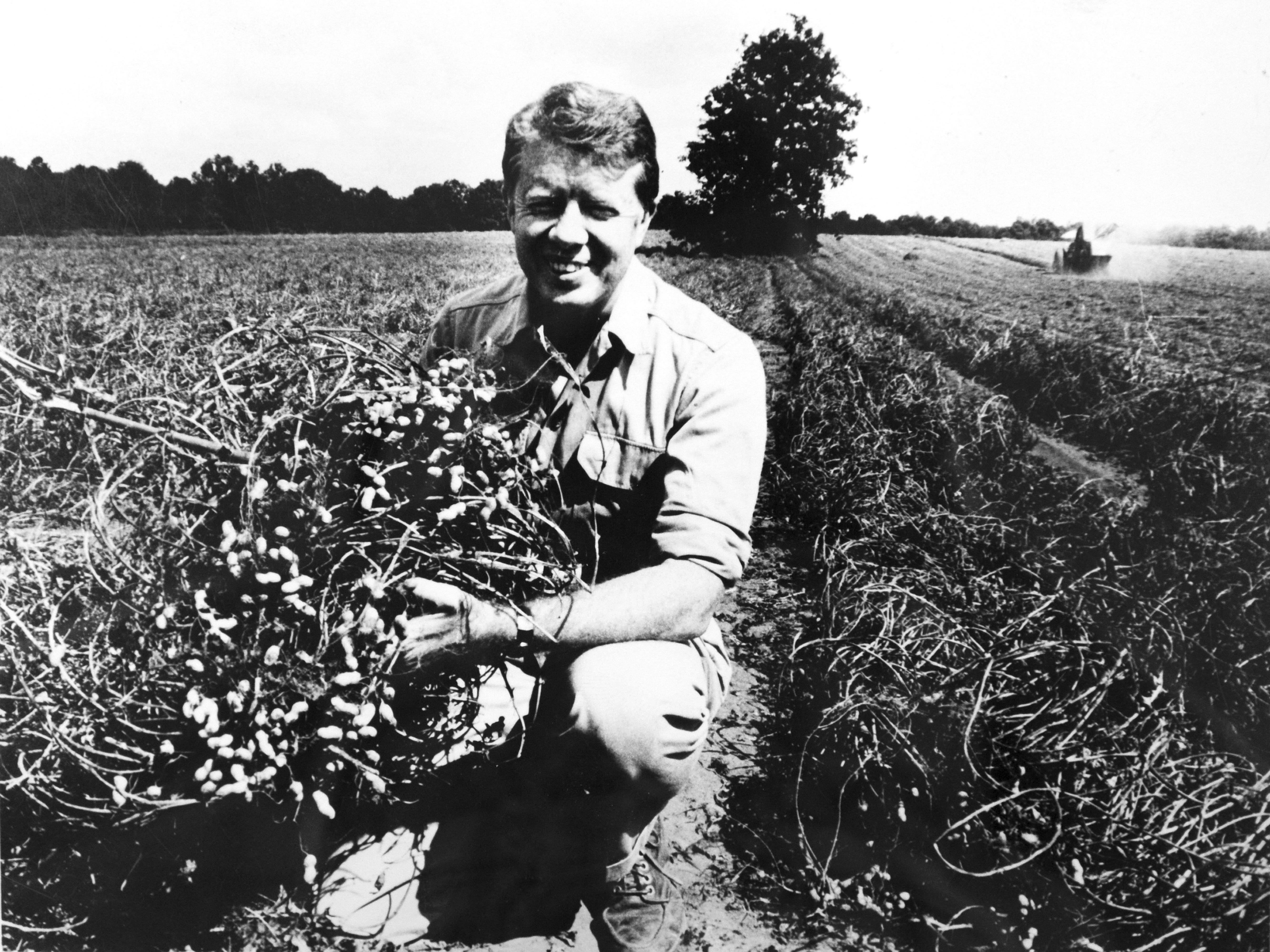
Jimmy Carter managed his family’s peanut farm and warehouse in Plains, Georgia, after his father’s death in 1953. When he became president, he put his peanut farm into a blind trust to avoid conflicts of interest, the Washington Post reported.
However, due in part to mismanagement, the peanut business was $1 million in debt when Carter left office.
AP
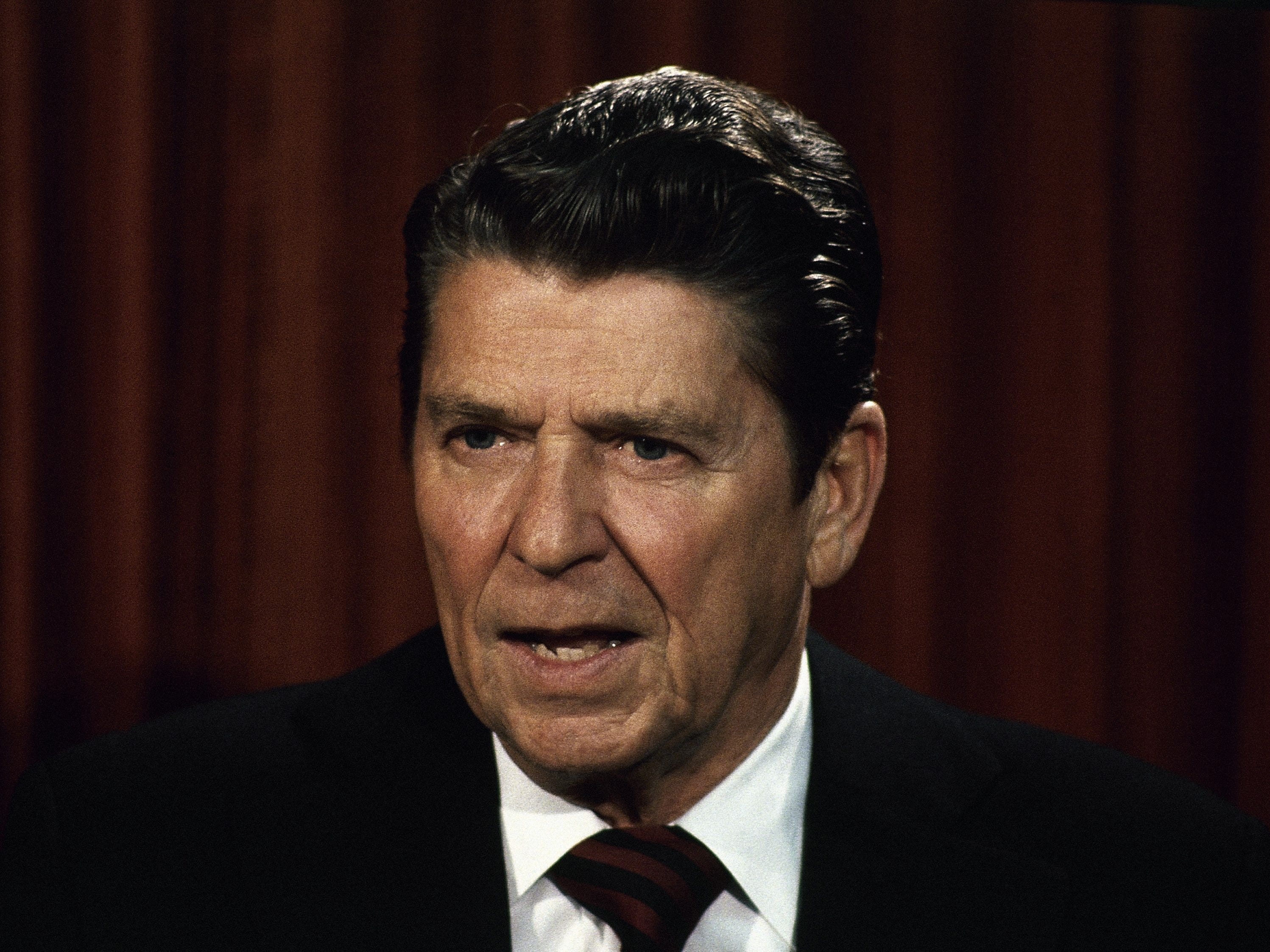
Ronald Reagan hosted the General Electric Theater for eight years, from 1954 to 1962. During his time working for General Electric, his politics changed from “liberal anti-communist” to “so right-wing that the company felt it had to leave him as its spokesman,” Slate reported.
AP Photo/Charlie Riedel
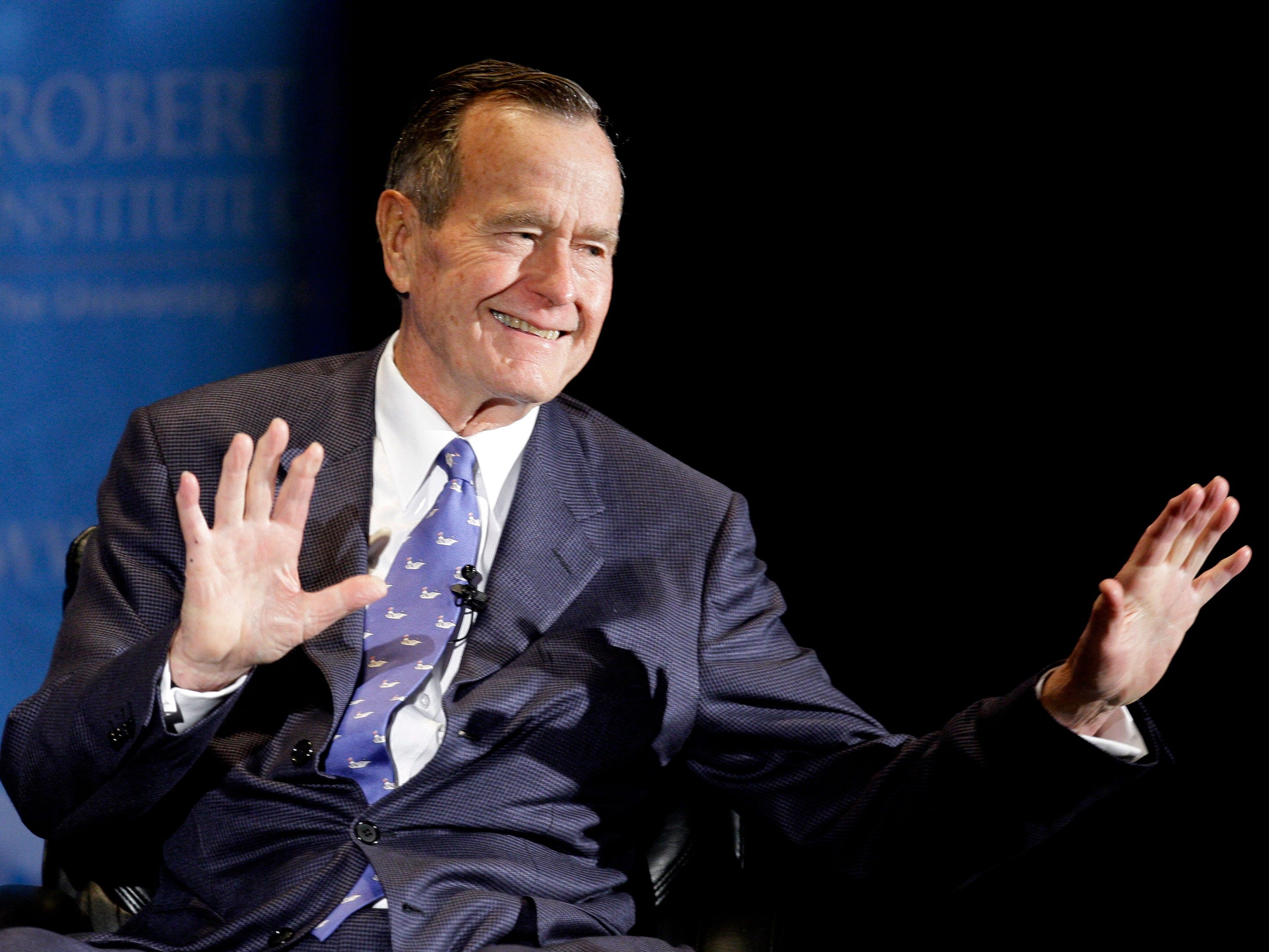
Bush co-founded an oil drilling company, Zapata Petroleum Corporation, in 1953. The company worked in international offshore drilling and had a contract with Shell in Kuwait, The National reported.
Pablo Martínez Monsiváis/AP
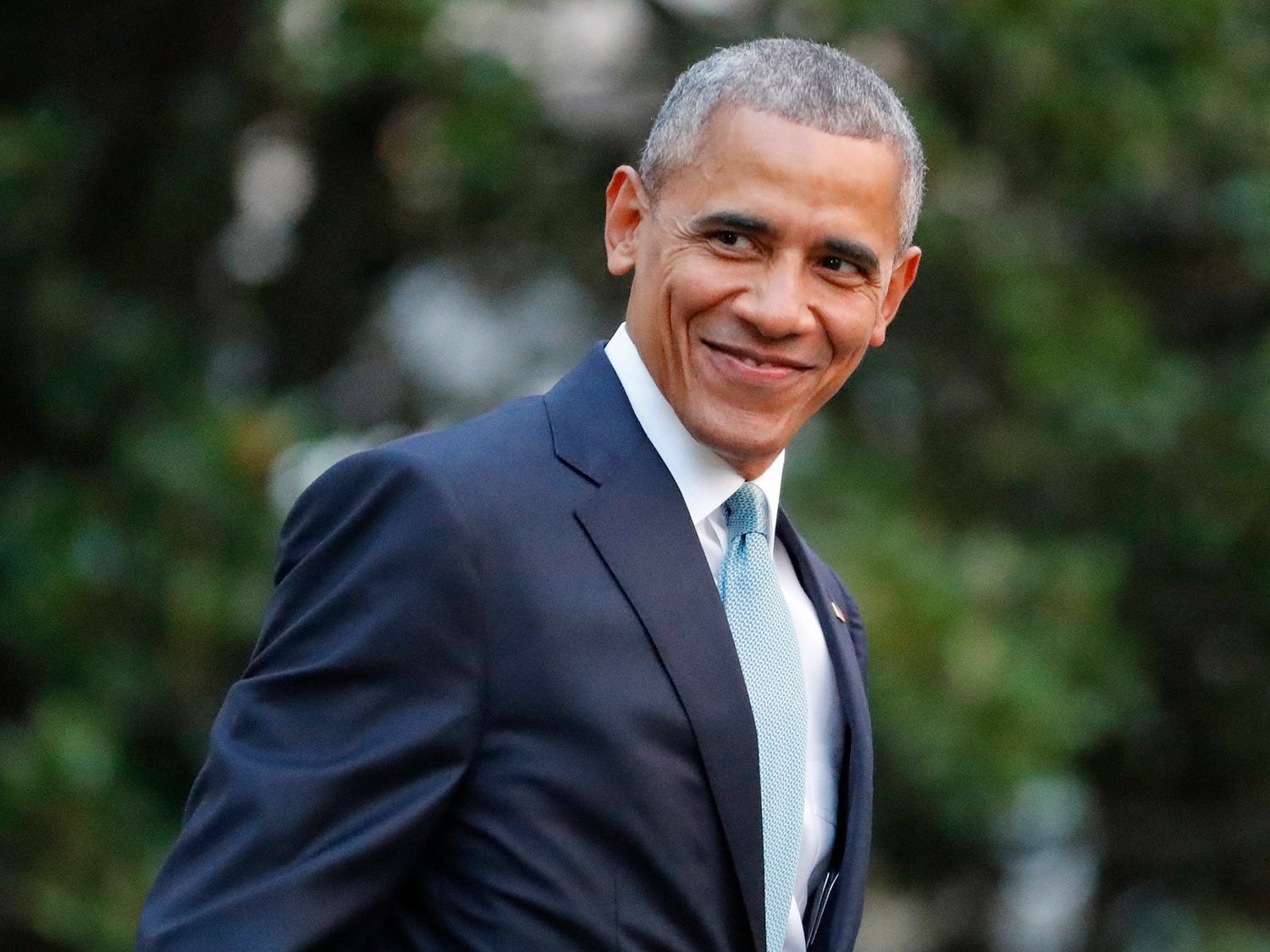
Barack Obama worked as a civil rights attorney at the Chicago law firm Davis, Miner, Barnhill & Galland for four years.
At the firm, he focused on clients dealing with “voting rights and wrongful termination matters,” the Los Angeles Times reported.
Cyrus McCrimmon/The Denver Post via Getty Images)
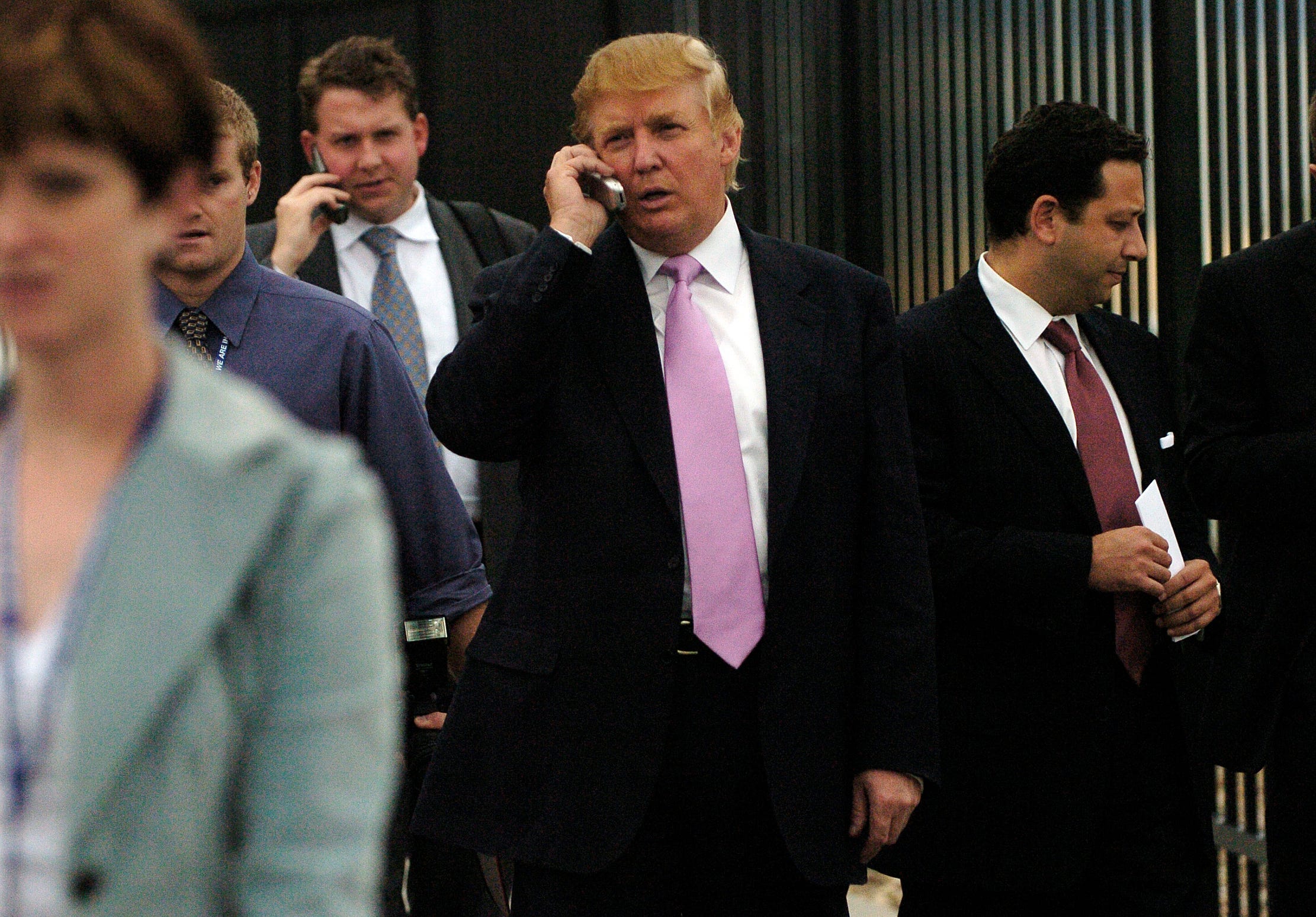
Before the presidency, Donald Trump made a name for himself in the media as a real estate and business mogul, hosting the reality show “The Apprentice” from 2004 to 2015, and serving as a guest commentator on “Fox & Friends” from 2011 to 2015.
Keep following us for the latest insights.