Gardner also questioned why Apple never removed Grok, which was still hosting sexualized deepfakes of celebrities in June, from its App Store. “When someone points out that these apps are spoofing teenagers or creating child sexual abuse materials, they quietly remove them from the App Store without making any announcement about it, so their inconsistency
Gardner also questioned why Apple never removed Grok, which was still hosting sexualized deepfakes of celebrities in June, from its App Store.
“When someone points out that these apps are spoofing teenagers or creating child sexual abuse materials, they quietly remove them from the App Store without making any announcement about it, so their inconsistency in terms of the App Store is really pronounced,” Gardner says.
Apple says nudification apps go against its guidelines, and has proactively rejected many and removed others, including those that people have flagged through the App Store’s reporting tools. The company did not explain why Grok is still available on the platform.
As for whether Apple is still considering implementing CSAM detection technology, Apple pointed to its Communication Safety feature, which blocks images and videos containing nudity, violent content, or blood in various apps. (Automatically activated for users under 18 years of age). The company will also make available a new feature to report this type of content. Users in Australia, Brazil, the US, and the UK will get it first, with availability expanding to other regions over time.
“We have a long-standing commitment to creating a safe and trusted platform for kids, and we provide many industry-leading tools that help keep them safe while safeguarding their privacy,” Apple says.
Anunay Kulshrestha, applied cryptographer and information security consultant at Infosec Clinic, says Apple’s CSAM implementation had no accountability guarantees. He doesn’t think Apple implementing it today will be better than if the company had gone ahead three years ago. “A government can pressure Apple to add something to the mix other than CSAM, and Apple has been known to defer to governments,” Kulshrestha says.
What Apple is changing
So what can you expect later this year in iOS 27, iPadOS 27, and macOS 27? Let’s take a look at some of the new improvements and capabilities.
Apple Courtesy
Child account updates
The onboarding process for creating a child account has been revamped, and Apple says setup should take about six minutes. It is mandatory for children under 13 years old and is available for children up to 18 years old. This process includes limiting adult websites, setting up age-appropriate media, and implementing age-based restrictions on the App Store.
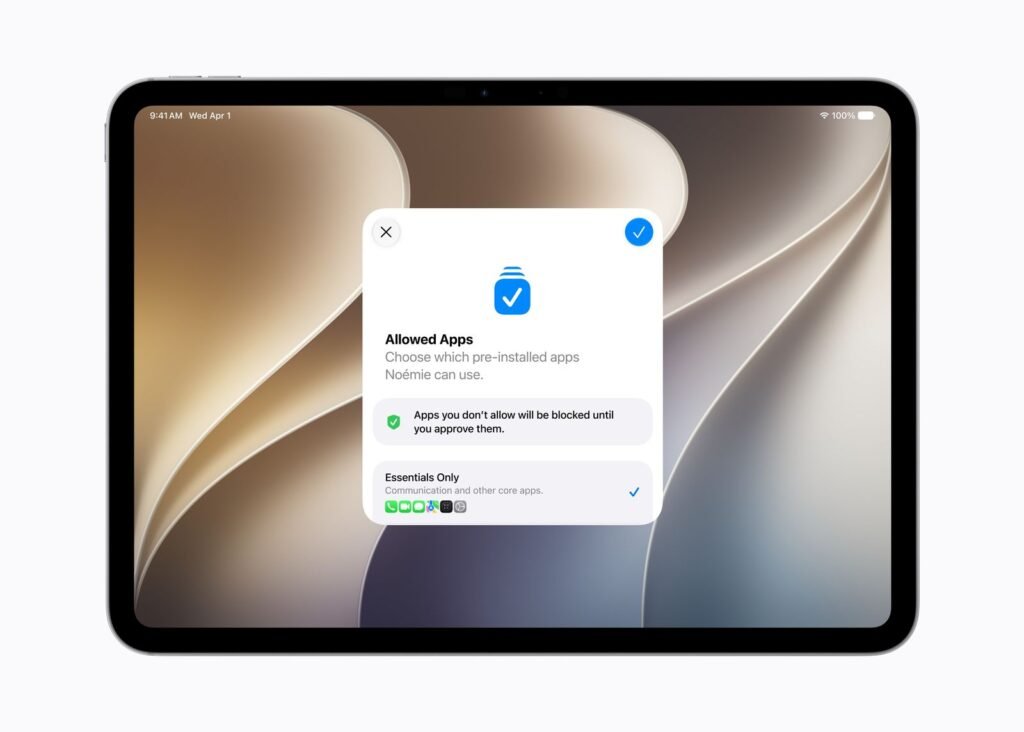
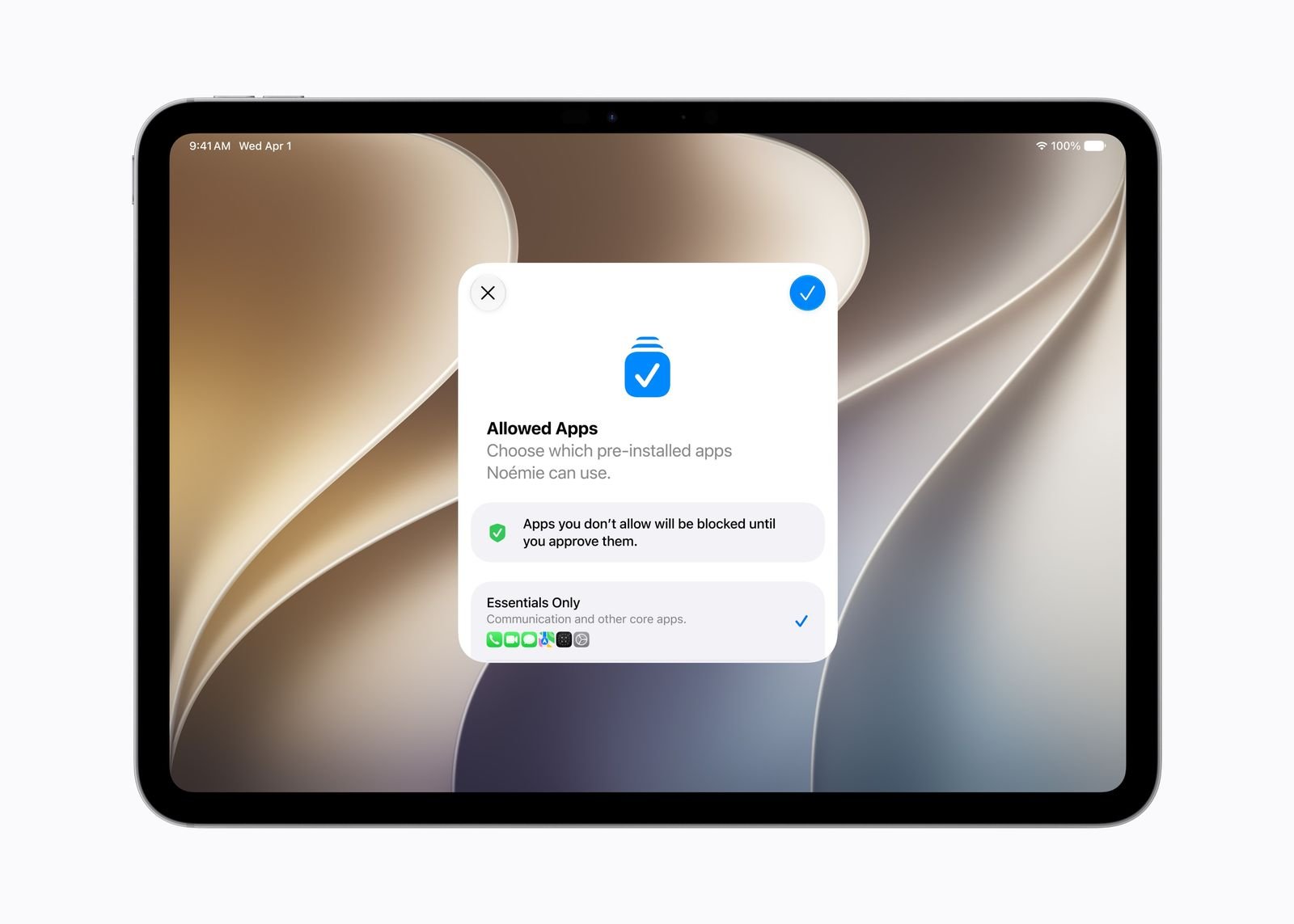
Parents can also choose which apps children can access on the device; There is the option to start with a few essential apps, a selected set, or choose apps manually. (You can add more apps over time.)
ask to navigate
Apple Courtesy
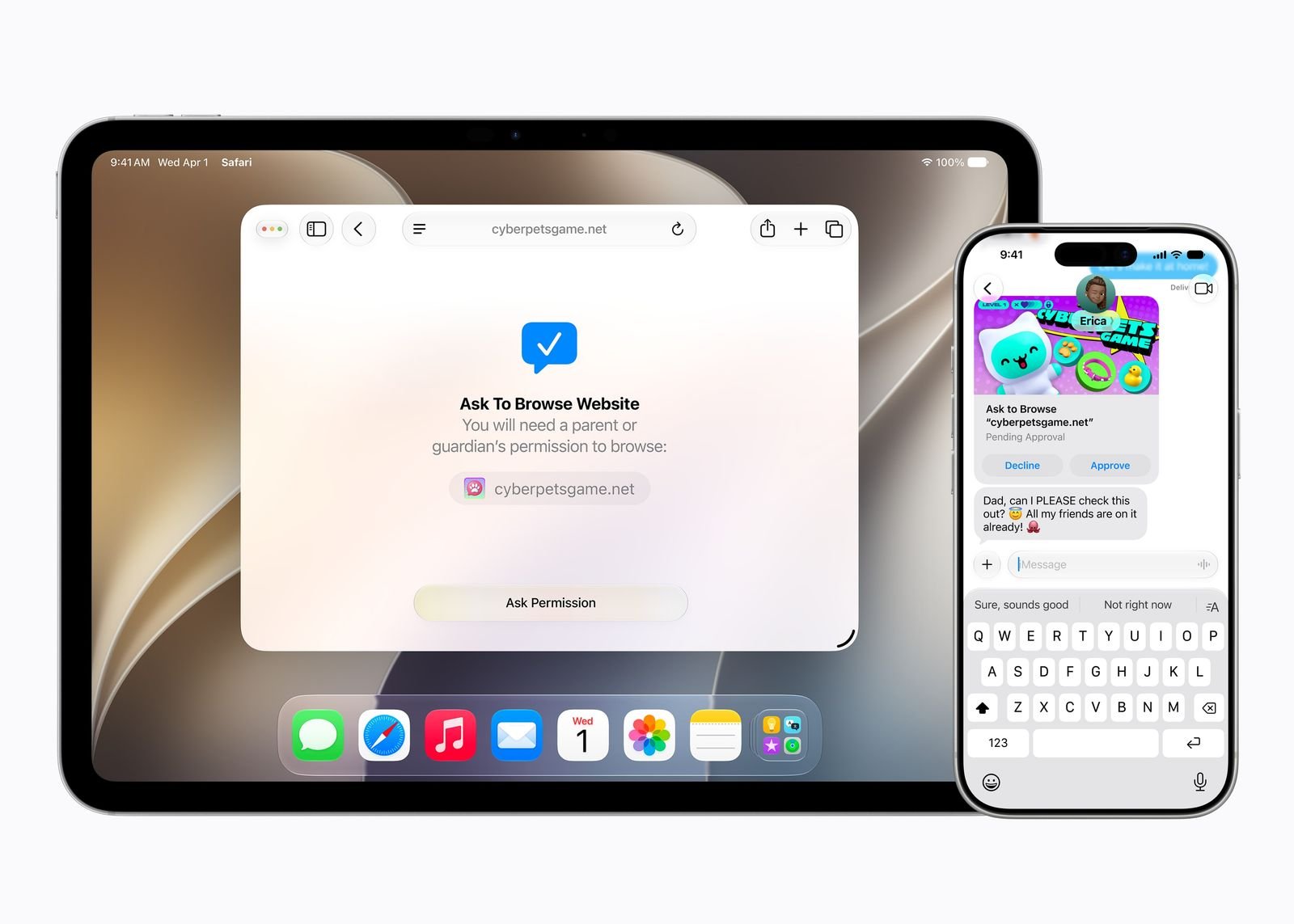
Asking to explore is a new experience in Safari; If enabled, children must ask parents for permission to visit a new website in the browser. It works similarly to the Request to Purchase feature in the App Store (where kids must ask permission to purchase or install new apps). When they ask permission, a message is sent to the parent’s device via Messages.
Approve new contacts
Apple Courtesy
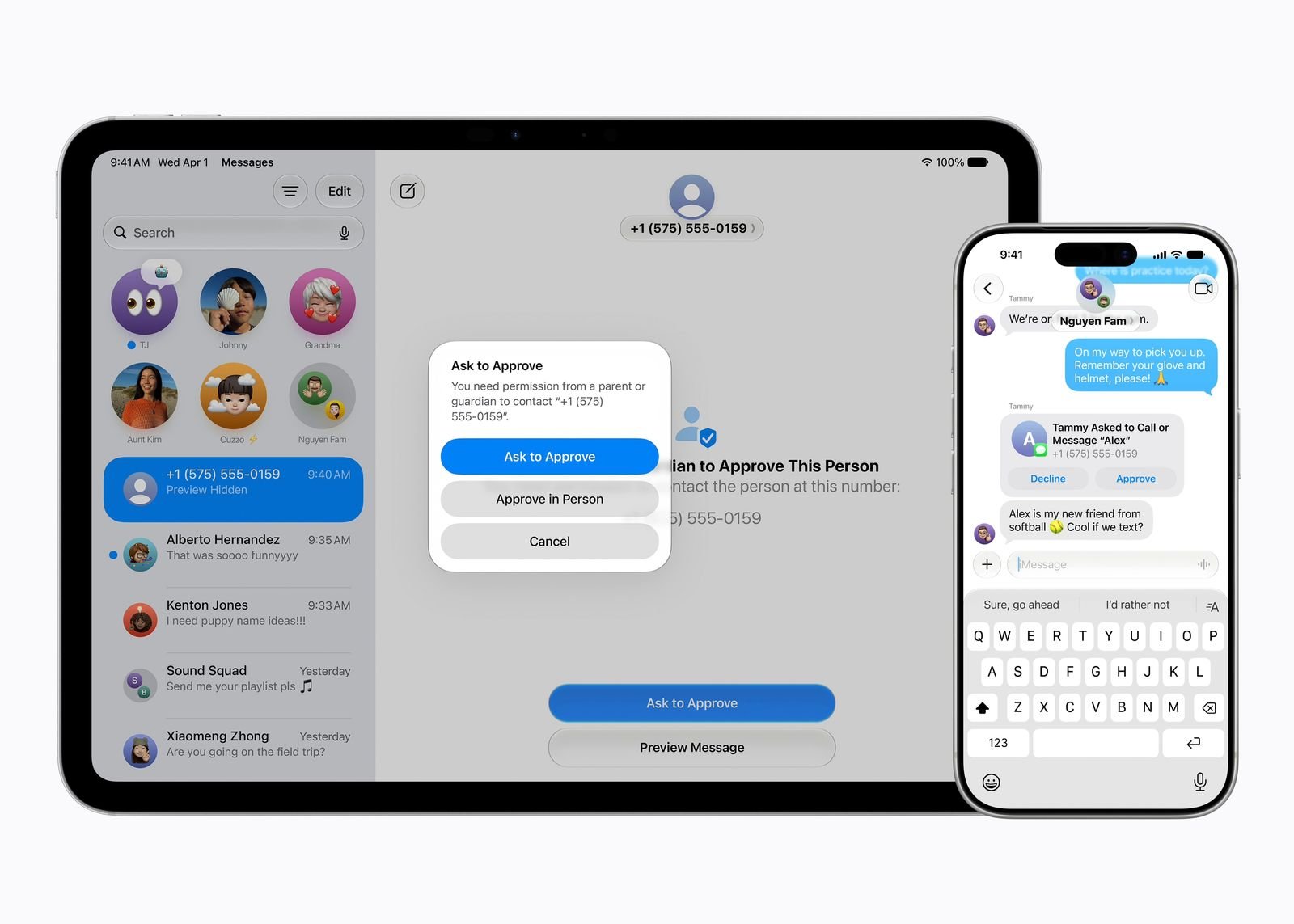
By default, kids must ask permission before saving or communicating with a new contact in the Phone, FaceTime, or Messages app. Parents will receive a message requesting approval, which they can reject or approve on the spot.
Communications security updates
Apple’s existing communications safety feature automatically detects and blurs nudity in Messages, FaceTime, and AirDrop for users under 18. This has now been expanded to include gory or violent graphic content, and Apple says it also works in shared photo albums, contacts banners, and the Contacts app.
Time assignments and custom schedules
Apple says it is working with the American Academy of Pediatrics and its Family Media Plan as a benchmark for parents and their children’s digital well-being. That’s why Time Allowances has suggestions for how much time kids should spend on age-specific app categories, like entertainment, games, or social media.
Parents can customize these assignments and there are daily schedules that allow them to allow groups of apps at certain times of the day or week. For example, parents can block gaming apps during school hours. And if you want your child to stop using the phone during dinner, parents can pause access to the device through their own device. Overall, the Screen Time interface has been redesigned to offer an at-a-glance view showing a child’s average device usage and most used apps.
Other small improvements
- Screen Time Password Notifications: You can set a notification every time a Screen Time passcode is entered on the child’s device.
- User reporting tools: Apple says a new reporting tool is available in Australia, Brazil, the US, and the UK (more regions to come), making it easier for users to report CSAM or other inappropriate material.
- Child safety website: Apple has a dedicated website that showcases the new tools with helpful resources and answers to common questions.
For more tech updates, stay tuned to our blog.