VIDEO REVIEW: Tesla Model Y L: The 6-seater variant of the popular electric SUV arrives in Australia
- AI, ai coding assistant, AI regulation, Artificial Intelligence, openai, Reviews, Tech, Technology, Tesla, Vehicles
- March 29, 2026


In June, the UK government told Big Tech it had three months to make taking, viewing, or sharing images of child nudity on their devices impossible. “I expect tech firms to make that happen,” said then prime minister Keir Starmer. “But if they choose not to, then we will act and change the law.” That
READ MORE
Meta announced Tuesday the release of Muse, a personal AI agent that people can message to automate digital tasks in a secure cloud environment, all while relying on security and privacy that the company says is “built into it” from the start. Meta says Muse is rolling out today for iOS and Android users in
READ MORE
Chrome has officially switched from a four- to a two-week release schedule, as Google promised earlier this year, with Tuesday’s launch of Chrome 153 on desktop, iOS, and Android. The shift to faster releases is tied to Chrome’s evolving security strategy in the AI era, the company explained. As automated AI tools and community bug
READ MORE
“All emergency services are on the scene. Everyone affected will receive the necessary assistance,” Zelensky added in a message on Telegram. “I instructed Poklad to deliver an appropriate, tangible response and, where possible, one that mirrors this strike, to the Russians once everything is ready. Our military will support this response.” Images of the office
READ MORE
After reporting last week that the surveillance company Flock Safety is building an AI search tool for law enforcement, WIRED reconstructed Flock’s latest search tool from code that the company sends to a police officer’s browser and uncovered key details about how the tool works. OpenAI said this week that its Astra model, which will
READ MORE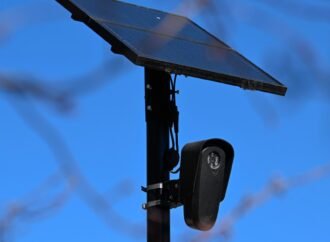
Florida is banning Flock cameras and other automated license plate readers across state highways, as reported earlier by NBC News and local news outlet WUSF. In a memo on Monday, Florida’s Department of Transportation says it’s revoking permits for all license plate readers, adding that they must be removed from state highways within 30 days.
READ MORE