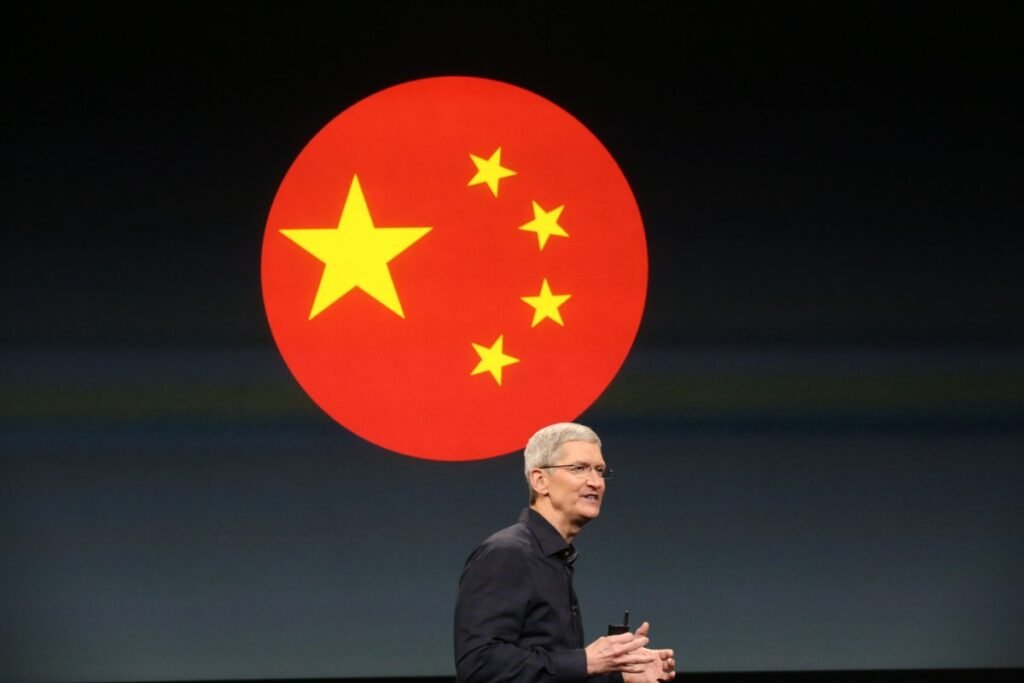
Apple Intelligence, the iPhone maker’s generative artificial intelligence offering, arrives in China. On Wednesday, Reuters reported that China’s Internet content regulator, the Cyberspace Administration of China, approved Apple’s artificial intelligence services in the country thanks to a deal to integrate Alibaba’s Qwen AI model into Apple’s operating systems, including iOS, iPadOS, macOS and visionOS. Late
Apple Intelligence, the iPhone maker’s generative artificial intelligence offering, arrives in China.
On Wednesday, Reuters reported that China’s Internet content regulator, the Cyberspace Administration of China, approved Apple’s artificial intelligence services in the country thanks to a deal to integrate Alibaba’s Qwen AI model into Apple’s operating systems, including iOS, iPadOS, macOS and visionOS.
Late Wednesday, a Baidu spokesperson confirmed to TechCrunch that it is also working with Apple on developing Apple Intelligence features for Chinese users.
The deal with Alibaba, which was rumored to be in the works last year, marks an important step for Apple’s AI ambitions in a key market. In the second quarter, Apple generated $20.5 billion in sales in Greater China, up 28% from a year earlier. Apple also recently regained its No. 2 position in China’s smartphone market after a recent shopping festival offered discounts on the iPhone lineup.
A partnership with Baidu was also rumored, but reports at the time claimed that Apple was facing problems adapting its models to Chinese customers. Apple is also said to be exploring integrations with DeepSeek and ByteDance.
The lack of approval from Chinese regulators has caused Apple Intelligence features, which debuted in 2024, to be delayed in the Chinese market.
Alibaba previously confirmed the company’s news to CNBC in a statement, saying its Qwen models would be “integrated into Apple Intelligence experiences,” although it did not provide a timeline. He also said the integrations would involve artificial intelligence capabilities such as “text and image understanding and generation.”
This article was updated on Thursday, July 16 to add Baidu’s statement.
Keep following us for the latest insights.