
Oil prices rose on Monday after the latest escalation in the conflict between the United States and Iran deepened the breakdown of a fragile ceasefire, reviving fears of disruptions to Middle East oil supplies. The United States resumed attacks on Iran earlier this month after an interim agreement collapsed as negotiations toward a broader deal
Oil prices rose on Monday after the latest escalation in the conflict between the United States and Iran deepened the breakdown of a fragile ceasefire, reviving fears of disruptions to Middle East oil supplies.
The United States resumed attacks on Iran earlier this month after an interim agreement collapsed as negotiations toward a broader deal stalled.
“For the record, the two-way retaliatory strikes between the United States and Iran not only torpedo the interim truce agreement, but are a serious escalation: from a skirmish to a full-blown conflict,” wrote Vishnu Varathan, head of macroeconomic strategy for Asia Pacific at Mizuho.
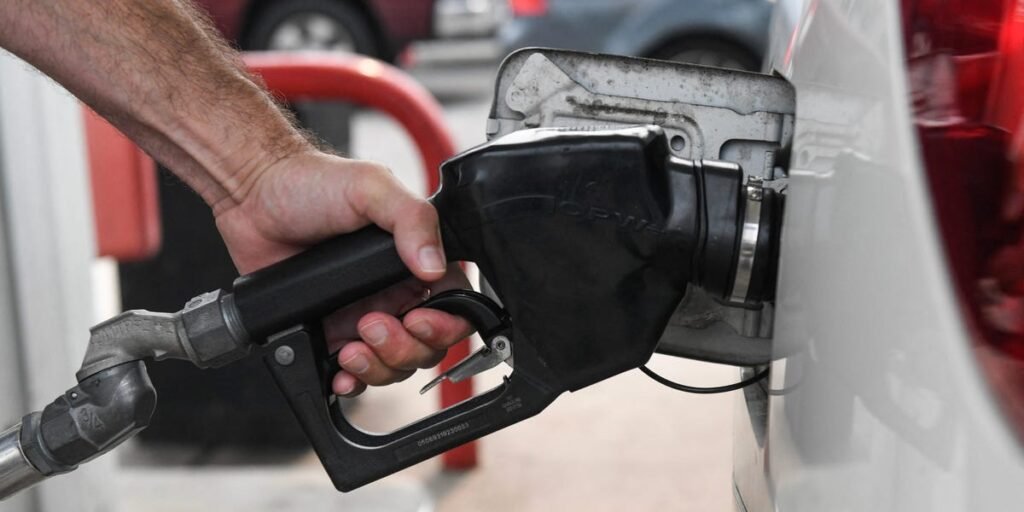
The events pushed U.S. gasoline prices to the brink of $4 a gallon, while oil prices rose on concerns that the fighting could disrupt oil flows through the Strait of Hormuz, the critical waterway that carries about a quarter of the world’s maritime oil trade.
On Sunday, AAA’s national average gas price stood at $3.998 per gallon.
International benchmark Brent crude futures gained as much as 4% in early trading before paring gains to trade about 2% closer to $90 a barrel late on Sunday. US West Texas Intermediate also rose about 2% to around $84 a barrel.
Brent crude surpassed $126 a barrel in late April before retreating as strategic stock releases and lower demand eased market tension. Prices fell further after the United States and Iran announced an interim agreement aimed at stopping hostilities and reopening the Strait of Hormuz.
Varathan said the market may still be underestimating the risks of the latest escalation, citing severe disruptions to shipping through Hormuz, new sanctions on Iranian crude and the threat of broader attacks on regional oil infrastructure.
Higher shipping and insurance costs could raise the cost of delivering oil by $10 to $15 per barrel, he added.
While prices could fall quickly if the escalation subsides, “further attacks on Middle East oil tankers and infrastructure could push prices back into the $100-plus range,” Jan Hatzius, chief economist at Goldman Sachs, wrote in a note published Sunday.
Goldman said it now sees more upside risk to its forecast that Brent will average $80 a barrel in the fourth quarter of 2026 and $75 in 2027.