Returns on AI capex have been a looming question for Wall Street investors, but JPMorgan says that elusive AI monetization is a big reason it’s boosting its S&P 500 price target for the year. The bank’s strategists hiked their target for the benchmark index on Monday, as they eye an “increasingly visible” payoff from the
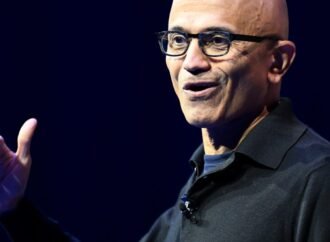
Microsoft kept its capital spending forecast unchanged on Wednesday, becoming one of the first data center giants to maintain control of the industry’s rampant AI spending. Shares rose about 8% on the news. Earlier this year, the company said it planned to spend $190 billion on capital expenditures this calendar year. On Wednesday’s earnings call,
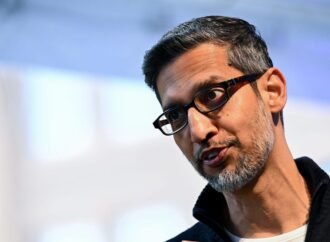
The bill for Google’s AI overspending is yet to come. Google said Wednesday that its second-quarter free cash flow turned negative by $5.9 billion, as the company’s capital spending continues to rise. It’s the first time the company has reported negative free cash flow in decades, according to AlphaSense, a sign of how much money