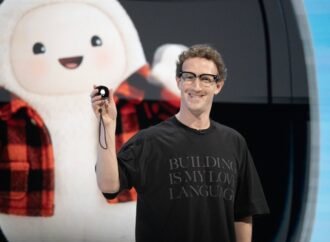
If there was one thing that was obvious this from Meta Connect this year, it’s that the social media giant is all-in on its burgeoning line of smart glasses. Indeed, the glasses were pretty much everywhere at the annual event, where Meta shows off its newest hardware and AI products. Both Meta staff and the
The AI amulet has become a bit of a cliché in the tech industry — devices like Friend have turned the idea of physical AI into little more than an exercise in eye-rolling for many consumers. But that hasn’t stopped Meta from jumping into the arena with its own AI wearable, called Muse Charm, which
Meta will pay up to $17.1 billion over 10 years — and implement broad child-safety reforms on Instagram and Facebook — under a nationwide settlement with 26 state attorneys general, including California’s Rob Bonta. The agreement, subject to court approval, resolves claims by the state AGs that Meta designed Instagram with addictive features, knowingly exposed
Meta released Glimmer this week, an open-weight AI model anyone can download and run on their own hardware — a contrast to Muse Spark, the company’s more powerful model that stays locked behind its own APIs. The release landed alongside a letter from Mark Zuckerberg arguing AI should be “for everyone” rather than controlled by a handful of labs, but as Equity’s
Meta CEO Mark Zuckerberg published a 6,500 word essay this week declaring that “The Future is for Everyone” and painting an optimistic picture of a future powered by AI, where “everyone will have an exceptionally capable personal agent that understands you, your goals, and everything you care about.” On the latest episode of TechCrunch’s Equity
Jeremy Strong graces the latest cover of GQ magazine (and the first issue published under new global editorial director Adam Baidawi), in which he speaks out for the first time on taking over the role of Facebook CEO Mark Zuckerberg. Jesse Eisenberg played the controversial tech titan in “The Social Network” and scored an Oscar