The Federal Communications Commission said it will vote Aug. 6 to repeal the long-standing limit on television station ownership, replacing a limit that prevents owners from controlling stations in more than 39% of markets with a case-by-case review of transactions that could come before regulators. “Today, national programmers can distribute their programming to 100 percent
The Federal Communications Commission said it will vote Aug. 6 to repeal the long-standing limit on television station ownership, replacing a limit that prevents owners from controlling stations in more than 39% of markets with a case-by-case review of transactions that could come before regulators.
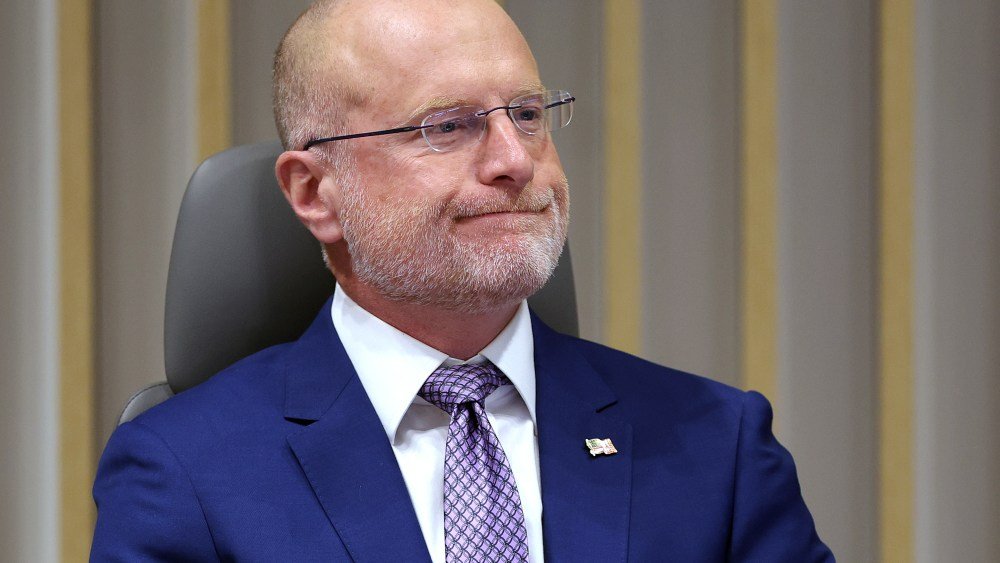
“Today, national programmers can distribute their programming to 100 percent of the country, either through their own streaming services or through deals they strike with nationwide ‘virtual cable companies,’ such as YouTubeTV. The cap no longer limits their control over distribution in this regard,” FCC Commissioner Brendan Carr said in an op-ed published by Brietbart. “The cap also doesn’t limit other players in today’s media market. Cable channels like MSNOW can reach 100 percent of the country. Social media sites from Bluesky to X can reach 100 percent of the country. Netflix can also reach 100 percent. The same goes for podcasts and all other forms of digital content.”
The decision to remove the limit could have immediate consequences. Nexstar, one of the largest television station owners in the U.S., has been prohibited from completing its recent acquisition of Tegna, a smaller television station owner, on the grounds that the transaction would give Nexstar too much control over local television properties across the country. Nexstar also owns national media outlets such as the CW broadcast network and cable news outlet NewsNation.
Nexstar is in favor of the measure. “The FCC’s decision to revise the national television ownership cap is a welcome and long-awaited step in bringing streaming regulation to the modern media marketplace. These rules were last updated before Netflix streamed a single movie, before the first iPhone, and before Instagram existed, and they continue to single out local broadcasters based on a competitive landscape that disappeared with the VCR,” the company said in a statement. “No one would suggest limiting the reach of YouTube, Amazon or CNN, but local broadcasters are still forced to compete by rules written for a different century.
A trade group representing television stations applauded the initiative. The National Association of Broadcasters said it “applauds Chairman Carr and the FCC for moving forward with consideration of an order to eliminate the ownership cap on national television. This reflects the understanding that decades-old ownership restrictions that apply only to broadcasters (and none of our competitors) are out of step with today’s media marketplace. The move, the organization said, “will empower local stations, ensuring they can compete, invest and better serve their communities with news and more reliable and freely available information, as well as world-class sports and entertainment.
The FCC said the decision to remove the cap did not represent an automatic approval of deals that might be filed in the future. “There may be transactions that exceed the limits of the 39% national cap that do not advance the public interest and will be rejected,” the regulator said Wednesday. “On the other hand, there may be transactions that would have exceeded the limit that do promote the public interest and could obtain Commission approval.”
In recent months there have been signs of the new power that station owners could gain. In September of last year, both Nexstar and another major station owner, Sinclair, said they would preempt episodes of ABC’s late-night show “Jimmy Kimmel Live” after the host made comments about the murder of conservative activist Charlie Kirk. The Disney network suspended Kimmel’s show for a few days to consider the matter before returning it to the air. Kimmel addressed the comments and the furor surrounding them in his first television broadcast after the suspension.
More to come…
.
Keep following us for the latest insights.