In early September, pharmaceutical giant Novartis issued a press release that sent shock waves through the cardiology community. A drug called pelacarsen, once expected to be a potential blockbuster, had failed to reduce the risk of heart problems and stroke in people with underlying cardiovascular disease. More muscle, less belly fat: mutations to a gene
Regenerative medicine holds extraordinary promise for transforming the treatment of chronic and life-threatening diseases. Yet the field continues to advance on an incomplete scientific foundation: the underrepresentation of women and non-binary people in both preclinical and clinical research. This is not a minor oversight, but a fundamental limitation that compromises the safety, accuracy and translational
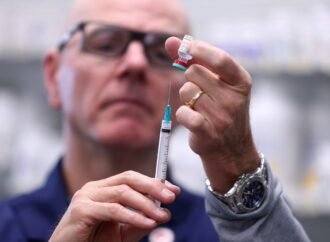
The shingles vaccine called Shingrix contains a viral protein and an immune-boosting compound. Credit: ZUMA Press, Inc./Alamy The shingles vaccine in use today has been linked to a reduced risk of heart disease and heart failure, according to a study of more than 70,000 people who received either the current vaccine or an older formulation1.
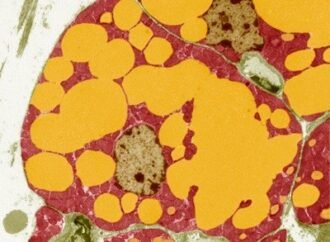
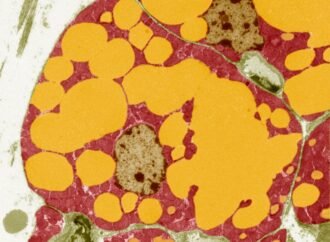
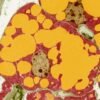
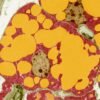
The ratio of fat tissue (fat droplets in yellow; artificially coloured) to muscle mass is reduced in people with newly identified variants of a gene that affects cellular metabolism. Credit: Steve Gschmeissner/Science Photo Library A massive genomic study has linked mutations in a specific gene to an increased proportion of muscle, decreased levels of belly
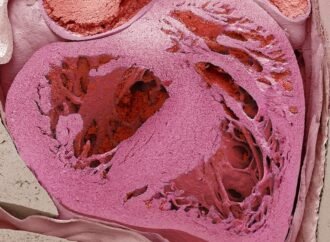
One set of neurons helps the heart (pictured, a mouse’s heart) keep beating steadily, and another set buffers the heartbeat against acute stress.Credit: Steve Gschmeissner/SPL Each heartbeat is choreographed not only by the brain but also by a mysterious nervous system embedded in the heart itself. Now, scientists studying mice have begun to unravel how