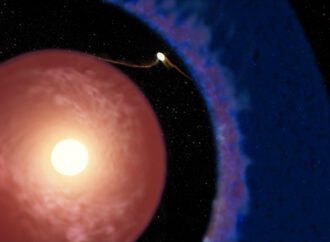
Astronomers have confirmed a world that’s less than a million years old as the youngest known planet, using data from NASA-funded archives. Called Elias 2-24 b, the baby planet is still whirling in its natal disk of dust and gas. “Our planet-formation models already struggled to explain the previous record holders for the youngest known
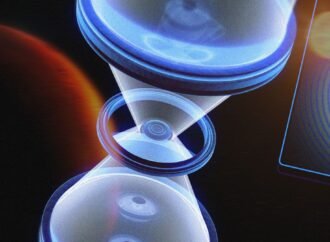
Two mirrors, each small enough to fit in the palm of your hand, are set to change how we understand the cosmos. The launch window for NASA’s Nancy Grace Roman Space Telescope is about to open. The telescope’s primary instrument is due to inform practically every area of astrophysics, but also tucked inside the telescope
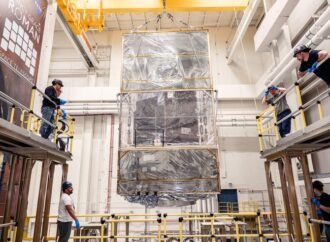
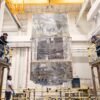
The Nancy Grace Roman Space Telescope undergoes vibration testing before its launch, scheduled for 30 August. Credit: Sydney Rohde/NASA/Roman Space Telescope (CC BY-NC-ND 4.0) It’s crunch time at NASA’s Goddard Space Flight Center. Since earlier this summer, a countdown clock by the campus’s main gate in Greenbelt, Maryland, has been ticking down to 30 August.
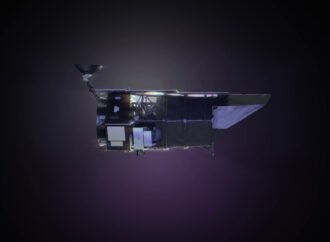
Roman joins an international cohort of teamworking telescopes. Roman will work in tandem with many other NASA-led and international missions to provide the most complete view of our universe yet. Roman’s large panoramas will uncover interesting targets that Hubble could follow up on using infrared, visible, and ultraviolet light to offer a more comprehensive view.
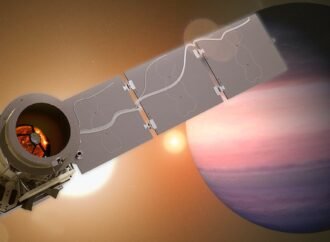
Pandora, NASA’s newest exoplanet mission and the first satellite to launch through the agency’s Astrophysics Pioneers program, is now making unique observations of worlds beyond our solar system and the stars they orbit. The mission will determine the atmospheric make-up of at least 20 exoplanets, including the presence of hazes, clouds, and water. “Pandora’s data
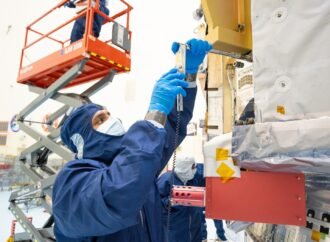
On July 27, technicians at NASA’s Kennedy Space Center in Florida installed a memory card containing 1,350,144 names as part of a commemorative plaque on the Nancy Grace Roman Space Telescope. The names were submitted by people globally, including astronauts from Artemis II and Artemis III. The memory card will travel with the Roman observatory