Hydropower continues to dominate large-scale investments in Nepal, and some climate activists say the funding has continued despite known disaster risks. The Upper Trishuli-1 project, which has been all but destroyed after last week’s floods, was one of Nepal’s largest foreign direct investment ventures, valued at about $647m. Its backers include the Asian Development Bank
Nepalese hydropower workers have told the BBC about the catastrophic moment water from the Trishuli River crashed into their tunnel as the region was inundated by deadly flash floods last week. It started with a sudden, strong gust of air, says Pemba Dundu Tamang, whose team of about 30 was constructing the tunnel’s concrete lining.
“I still have a 50% hope that he is alive because there is an oxygen system inside,” Sita Pandey, whose husband was working in the plant when the floods hit, told Nepalese daily Kantipur. Nepal relies heavily on hydropower and has spent years developing the projects along its mountainous river systems. At least 11 projects
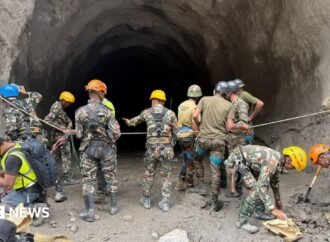
The Nepali army has been working to rescue survivors who had been trapped inside a tunnel at a hydropower project in Rasuwa. Footage shared by the country’s prime minister office shows soliders carrying survivors and crawling across thick slates of mud to reach others. An update issued by officials on Thursday indicated more than 100