VIDEO REVIEW: Tesla Model Y L: The 6-seater variant of the popular electric SUV arrives in Australia
- AI, ai coding assistant, AI regulation, Artificial Intelligence, openai, Reviews, Tech, Technology, Tesla, Vehicles
- March 29, 2026

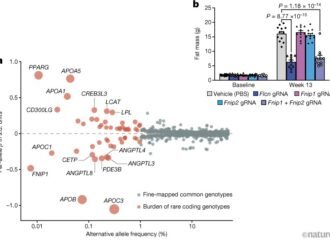
RESEARCH BRIEFINGS 05 August 2026 A study of more than one million people shows that rare genetic variants that disrupt the FNIP1 gene are associated with a favourable metabolic profile and a roughly 60% lower risk of cardiometabolic disease than the general population. Silencing genes in the FNIP1 pathway in mice induces fat breakdown and
READ MORE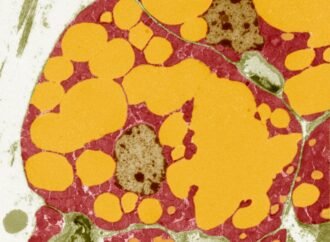
The ratio of fat tissue (fat droplets in yellow; artificially coloured) to muscle mass is reduced in people with newly identified variants of a gene that affects cellular metabolism. Credit: Steve Gschmeissner/Science Photo Library A massive genomic study has linked mutations in a specific gene to an increased proportion of muscle, decreased levels of belly
READ MORE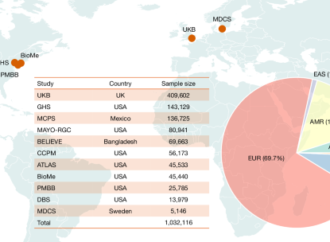
Study population The genetic discovery analysis of TG:HDL ratio encompassed multiple cohorts with a cumulative sample size of 1,032,116 participants. Study participants were recruited from various population-based and hospital-based health systems across three continents (Fig. 1 and Supplementary Table 1). These cohorts included: the UK Biobank population-based study (UKB, n = 409,602)60; the Geisinger Health System MyCode
READ MORE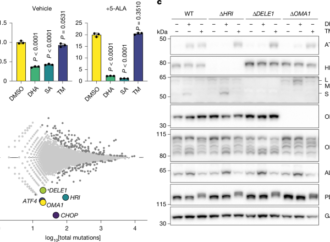
Cell lines and culture HAP1 cells were cultured in Iscove’s modified Dulbecco’s medium (IMDM) (Thermo Fisher Scientific) supplemented with 10% heat-inactivated fetal calf serum (FCS) (BioSell) and 1% penicillin–streptomycin–glutamine (PSG) solution (Thermo Fisher Scientific). 293T (HEK293T), A549, HeLa, U2OS, BJEH and HCT116 cells were maintained in Dulbecco’s modified Eagle’s medium (DMEM) (Thermo Fisher Scientific) supplemented
READ MORE
Molecules released in the breath can indicate whether the body is burning fat.Credit: Pet/Getty A portable breath test can accurately measure when the body burns fat in real time1. The device could be used by people trying to monitor weight loss without having to wait weeks to see a change on the scale, although researchers
READ MORE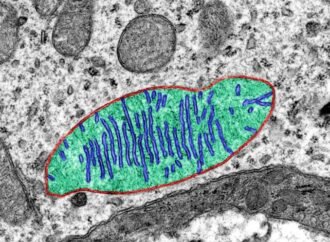
Mitochondria (green in this false-color transmission electron micrograph) may play a role in the physiological effects of microgravity.Credit: José Calvo/Scientific Photography Library Researchers have found that exposure to microgravity aboard the International Space Station causes mitochondria in human cells and worms to produce fewer proteins. The work also identified a previously unknown molecular pathway that
READ MORE