VIDEO REVIEW: Tesla Model Y L: The 6-seater variant of the popular electric SUV arrives in Australia
- AI, ai coding assistant, AI regulation, Artificial Intelligence, openai, Reviews, Tech, Technology, Tesla, Vehicles
- March 29, 2026


A set of parents and their children in Illinois and California filed a lawsuit last week in federal court in Chicago alleging that Meta illegally used their Facebook and Instagram photos to build NameTag, an unreleased face-recognition system for its smart glasses, and to train generative AI models including Emu and Muse Image. The proposed
READ MORE
I am nothing if not a huge movie buff. I watch way too many of them, and I’m always on the hunt for a new format in which to experience them. So when XREAL, the smart glasses company, sent me an a01 — one of its newer models, which it released in May of this
READ MORE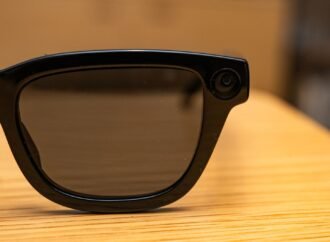
Face computers are on the upswing, as companies, massive and tiny, are all vying for nuggets in the smart-glasses gold rush. That also means the industry is garnering its fair share of criticism, mostly focusing on the fact that creeps can abuse camera-equipped smart glasses to capture photos and videos of people without their knowledge
READ MORE
There is a new A pair of cameraless smart glasses in the city: the Halliday G2, designed for listening to workplace meetings, absorbing what’s happening and summarizing all the interesting parts, as if they were always-listening wearable devices. Halliday says the microphones can be turned on for meetings, using AI voice commands, or making phone
READ MORE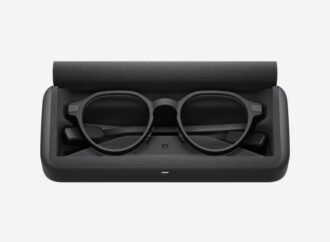
In recent years, several technology executives have told us that glasses could be the next big interface for consumer hardware. And yet, today’s smart glasses rely heavily on phones, even if they have good hardware. Even Realities’ G2 smart glasses are in the same boat. They’re a premium pair of glasses with a neon-style front
READ MORE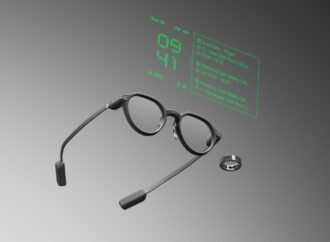
Meta and Snap launched new smart glasses last month, the latest sign that the industry is racing to put a camera and AI assistant on users’ faces. As the fast-growing market heats up, startups like Even Realities are closing in on the giants. Even Realities, a three-year-old Shenzhen-based startup, has raised $150 million in a
READ MORE