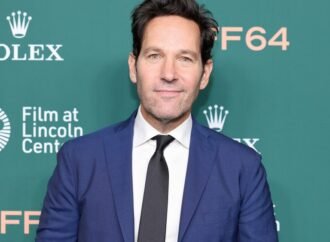
Paul Rudd plays the moderator of the first-ever meeting dedicated to solving America’s climate crisis in “A Statement,” the latest film from Oscar-winning director Tom McCarthy. Set at a Florida beachside resort in 1980, the film follows 20 experts who spend a weekend in a conference room and — analogous to “12 Angry Men” —
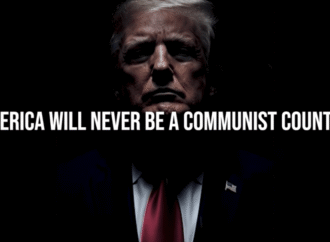
TV ads featuring President Donald Trump — including one in which he declares that “America will never be a communist country” and touting his administration’s policy goals — were paid for by U.S. taxpayers. The spots have drawn criticism from Democrats and Republicans alike, with lawmakers saying they look like campaign ads ahead of November’s
The general mood on both sides of the Warner Bros. Discovery and Paramount Skydance aisles on Monday was shock and surprise over the sudden turn of events. And now that Paramount-WB merger has the all-clear signal, staffers are gearing up for what are expected to be multiple rounds of layoffs in the next few months.
The founders of “Gangs of London” producer Pulse Films claim they are owed more than $20 million over the sale of the studio to Vice Media in 2021. Thomas Benski and Marisa Clifford, who founded Pulse Films in 2005, allege Vice still owes them $20.43 million after acquiring their 22% stake in the company for
There’s a simple solution for AI companies that feel like their models are developing at a frightening speed: Hit the brakes. That’s the advice Michael Kratsios, the director of the White House Office of Science and Technology Policy, gave during an interview with Fox News Sunday. “It’s very interesting that they talk about these issues,
Remember the binder of Pokémon cards your mother gave away after you left for college? They might be worth more money than you want to think about. The collectible card game has seen a major comeback, driving a new collecting frenzy that’s boosted the price of coveted cards to dizzying levels. Rare Pokémon cards have