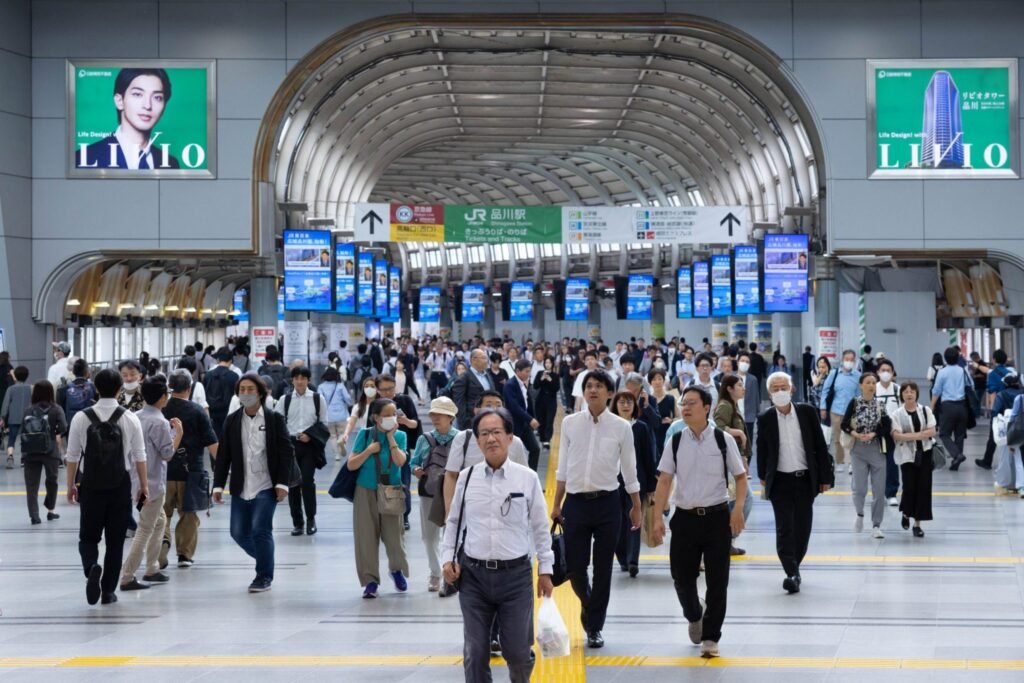
Good morning from Japan, where my son and I have been traveling the past two weeks. We landed in Tokyo amid 102.4-degree heat (39.1°C), which almost made it kokushobi or a “cruelly hot day”—a designation introduced in April to warn the public when temperatures rise above 40 degrees Celsius. There’s also the torrential rainfall this
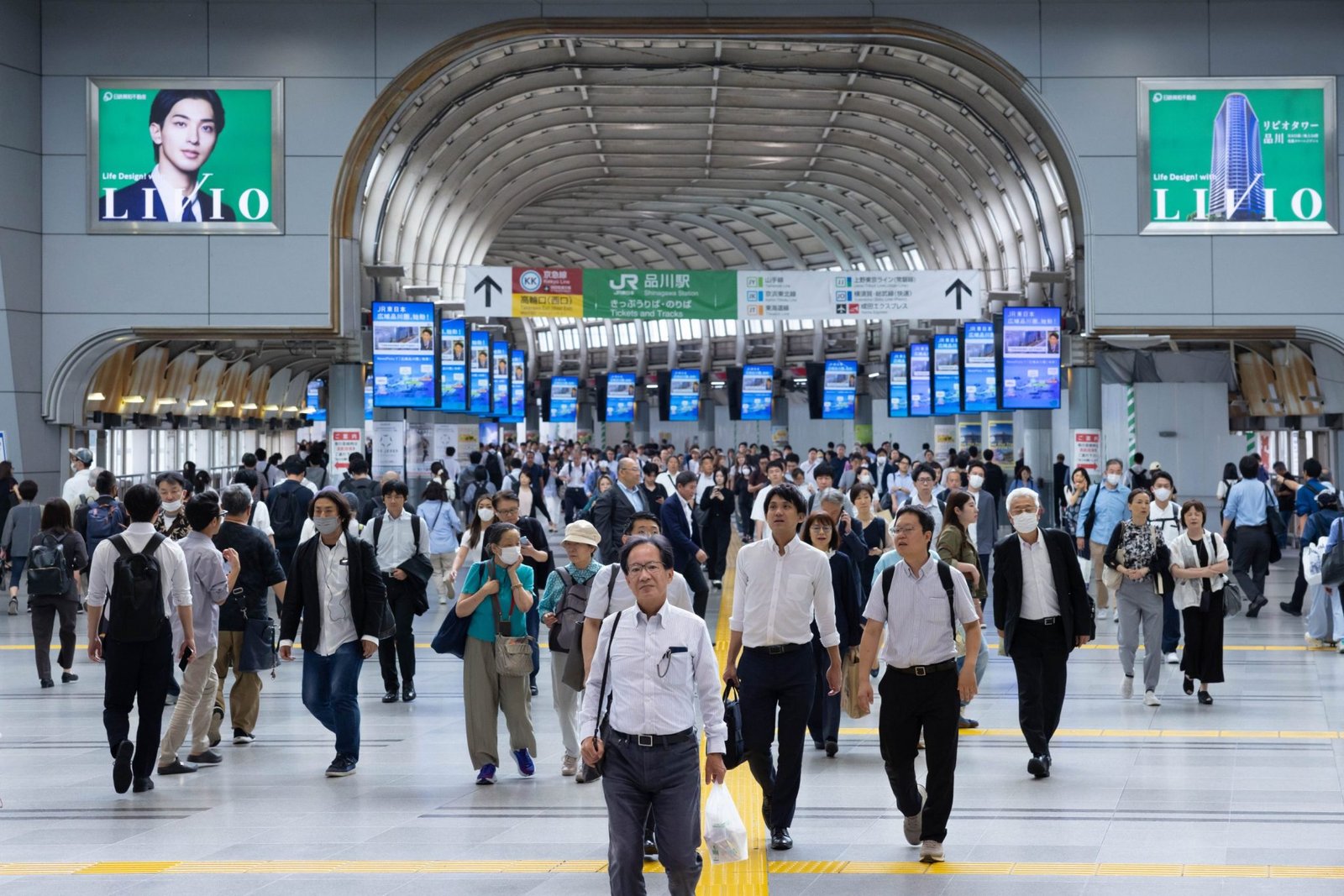
Good morning from Japan, where my son and I have been traveling the past two weeks. We landed in Tokyo amid 102.4-degree heat (39.1°C), which almost made it kokushobi or a “cruelly hot day”—a designation introduced in April to warn the public when temperatures rise above 40 degrees Celsius. There’s also the torrential rainfall this summer, including last week’s historic downpour in Chiba Prefecture that stranded travelers, disrupted power, and killed at least 8 people. But Japan is not just a nation having another frighteningly hot summer—it has become one of the world’s most advanced climate-adaptation labs, one U.S. leaders and companies may look to as temperatures climb here.
It’s a tough battle, even in a country that’s long been used to dealing with earthquakes, eruptions, tsunamis, typhoons, heat waves and floods. Almost every Japanese household has access to air conditioning while only a fifth of European households do, which a new Swiss Re report warns has left much of the continent ill-equipped to handle the shock of current heat waves.
One challenge for Japan is changing office culture, which has long expected men to dress in suits while women are expected to wear stockings and formal skirts. Despite a city government campaign to encourage workers to wear polo shirts and shorts to the office this year amid record-breaking heat and the Iran energy crisis, I saw plenty of men in jackets and ties.
The government strengthened workplace heatstroke-prevention rules last year, requiring employers to have reporting, cooling and medical-response procedures in place. And employers are stepping up. Contractor Obayashi Corp. shifted construction work from 7 a.m. to 1 p.m. at heat-exposed sites this summer, instead of the usual 8 a.m. to 5 p.m. schedule. Seibu Railway has installed air-conditioned rest areas with refrigerators, and companies are issuing cooling garments, salt tablets, fans, and heat-monitoring devices. And Japan’s growing use of robots in agriculture to supplement its shrinking population of farmers carries the added advantage of creating workers immune to heat.
Of course, rescheduling work hours or sports tournaments, much like shifting crops or fishing practices amid warming oceans, doesn’t address the fundamental issues contributing to more extreme weather or reduce the overall risks. Allianz estimates countries like France, Italy and Spain could face cumulative heat-related GDP losses of up to 7% by 2030.
While the business case for dealing with climate change is obvious, the growing impact coincides with silence from the private sector, especially in the U.S. Maybe that’s because of the rollback of climate-change policies in Washington, a backlash against ESG or sensitivity about the growing emissions toll of AI. Japan didn’t feel it could afford to wait for the world to agree on climate change before adapting to it. The question for U.S. business leaders is, how much heat can they take before they start to do the same?
Contact CEO Daily via Diane Brady at diane.brady@fortune.com
Top leadership news
There isn’t just one AI bubble
The question of whether AI is a bubble is the wrong one, Dhaval Joshi argues. The right question is: which AI bubble is popping today? Rather than your classic idea of one giant bubble building until it implodes, this is rather a rapid-fire sequence of bubbles popping and inflating in a rolling pattern. Investors are misjudging, and then correcting, who or what will actually capture AI’s value.
Trump’s immigration plan may be backfiring
In 2024, he pledged to bring back the American Dream. Removing immigrants “taking jobs from American workers and driving down their wages” was a key part of the plan. But Mark Zandi, chief economist at Moody’s, recently noted foreign-born unemployment fell below native-born unemployment in October 2025, based on analysis of a 12-month moving average of seasonally unadjusted data.
Amodei sees crisis of trust
Anthropic CEO Dario Amodei acknowledged the public has a negative view of AI, which he considers a big problem, but didn’t place the blame on himself or any other individual AI executive. “I think it is fundamentally a crisis of trust. I think that ordinary people don’t trust companies, governments, or the tech industry and always suspect that we are cooking up some new way to screw them over.”
The markets
S&P 500 futures are up 0.19% this morning. The STOXX Europe 600 was up 0.30% in early trading. The U.K.’s FTSE 100 was up 0.27% in early trading. The Nikkei 225 is up 0.74%. South Korea’s KOSPI was shut for a national holiday. China’s CSI 300 was up 1.61%. Hong Kong’s Hang Seng was up 1.34%. India’s NIFTY 50 was down 0.09%. Bitcoin is up at $63.35K.
Around the watercooler
Some gamblers are buying losing lottery tickets on eBay as a way to offset taxes on their gambling wins by Catherina Gioino
The $124 trillion Great Wealth Transfer is fully underway—but nonprofits are ‘paralyzed’ by how to chase millennials’ newfound wealth by Sydney Lake
Iran’s oil is trapped while rivals’ exports from the Persian Gulf are poised to surge, but Tehran could do whatever it takes to break the chokehold by Jason Ma
The ‘manosphere’ is actually a multibillion-dollar industry that sells courses and supplements to insecure Gen Z men, report finds by Sasha Rogelberg
Nobel laureate Daron Acemoglu says AI and liberal democracy share the same crisis: ‘there is a tendency to escalate everything’ by Nick Lichtenberg
CEO Daily is curated and edited by Joseph Abrams, Jason Ma, Claire Zillman, and Lee Clifford.
Check back often for more exciting news!