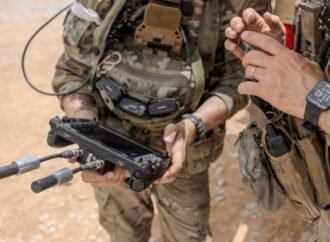
The US Army’s training command in Germany is updating its drone warfare curriculum every 60 days in response to changes in this technology and the way it’s used on the battlefield. These changes reflect what soldiers are learning from using drones, as well as ongoing conflicts in the Middle East and Ukraine, and include electronic
The US Army brought thousands of drones to a recent combat exercise, and roughly half were designed to be expendable. Soldiers could use and lose the drones in the fight, treating them like ammunition. The Army’s shift toward using low-cost drones has relied on amassing enough systems to make them expendable. It’s getting tens of
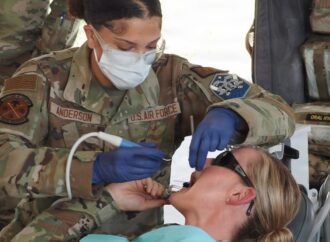
A painful toothache or an oral infection might not sound like an injury that could sideline a soldier in combat, but US Army dental leaders warn that in a future conflict, such easily overlooked conditions could take troops out of the fight, consume scarce evacuation capacity, and further stress a strained medical system. Most of
The US Army says that its special battalion focused on drone warfare and lessons from Ukraine was always meant to be a temporary experiment, not a lasting element of the force. The Unmanned Assault Battalion was created last fall as an experimental unit in the 173rd Airborne Brigade specializing in drone tactics. The 3rd Battalion
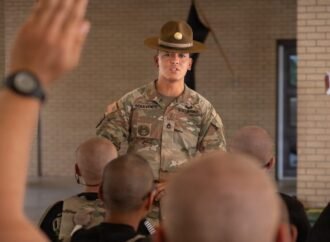
The US Army is testing whether it could use reserve drill sergeants and other personnel to quickly expand basic training in the event that a major conflict suddenly needed training pipelines to produce far more soldiers. An experiment called Operation Wildcat Rising put dozens of Army Reserve drill sergeants into a single basic training cycle
Two US Army 4th Infantry Division soldiers sat on the barren desert earth at Fort Irwin, California. One wore first-person-view goggles and held a drone controller. The other watched the drone’s feed on a laptop. After a few moments of setup, the Neros Archer lifted off, the buzz loud up close and still audible at