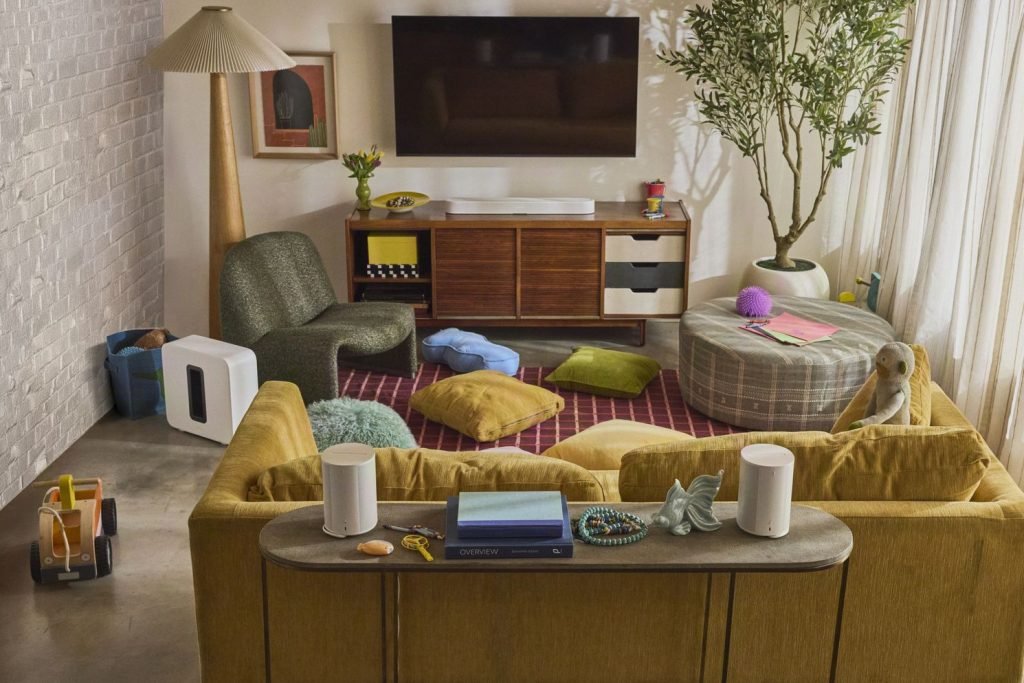
Getting a smart home audio setup to sync perfectly across different rooms and platforms is often a frustrating experience. For years, the audio industry has pushed consumers into proprietary ecosystems, severely limiting how we interact with our own hardware. Sonos is attempting to dismantle some of that friction with the introduction of its Sonos 27
Getting a smart home audio setup to sync perfectly across different rooms and platforms is often a frustrating experience. For years, the audio industry has pushed consumers into proprietary ecosystems, severely limiting how we interact with our own hardware.
Sonos is attempting to dismantle some of that friction with the introduction of its Sonos 27 operating system, accompanied by two new flagship hardware products built specifically to leverage these new software capabilities.
The acoustic claims of the Beam Ultra
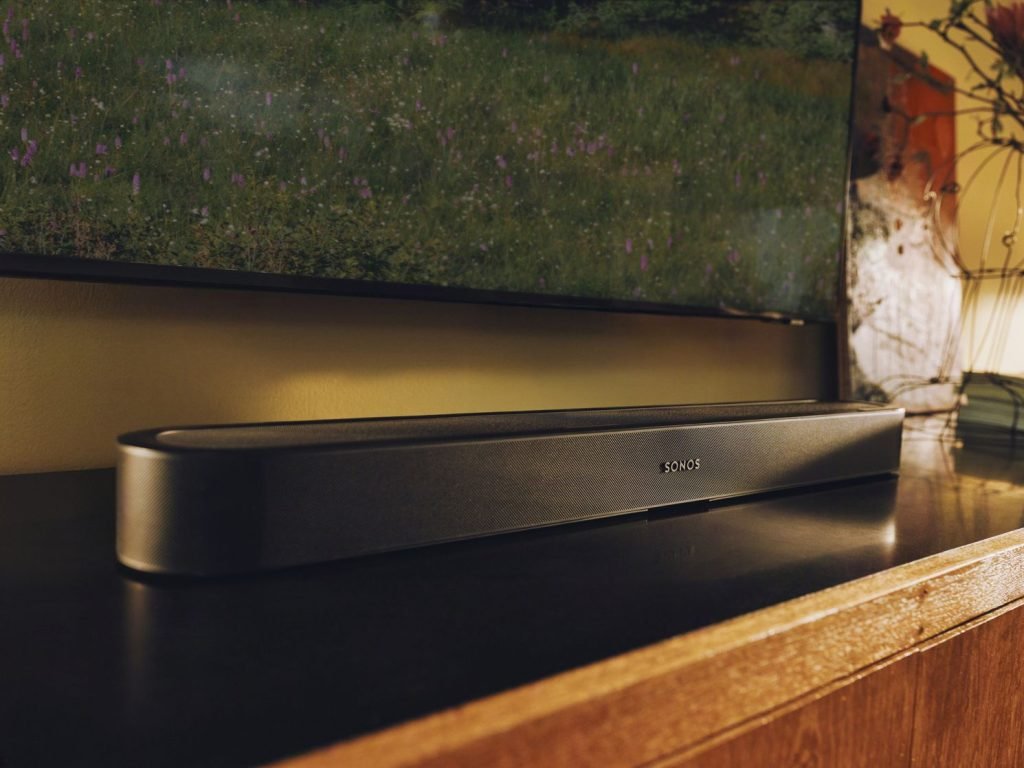
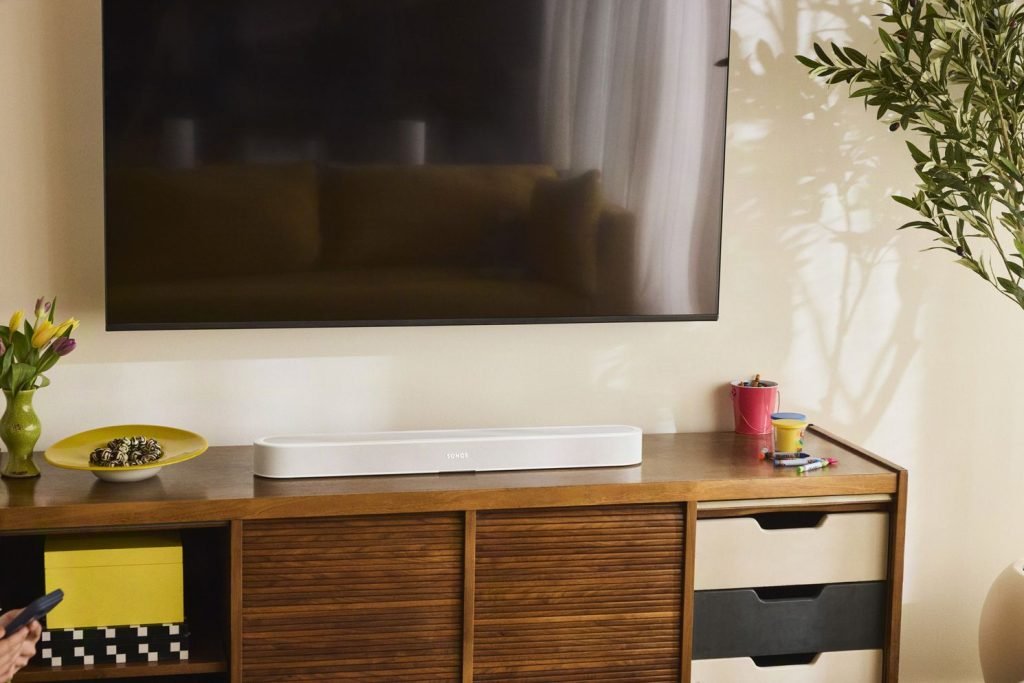
The physical anchor of this platform update is the Sonos Beam Ultra. Positioned as a mid-size soundbar, the unit claims to deliver true 7.1.2 Dolby Atmos, which is a massive technical promise for a smaller form factor. Under the hood, Sonos has packed the device with nine custom drivers, importantly including two dedicated up-firing drivers engineered to bounce sound off the ceiling for spatial audio and warmer bass.
Muddy dialogue remains one of the biggest complaints in modern home theatre setups, often forcing viewers to ride the volume remote during explosive action scenes. The Beam Ultra attempts to solve this with a completely redesigned centre channel focused specifically on vocal clarity. This hardware is paired with four distinct levels of AI Speech Enhancement, alongside a Night Sound mode designed to compress the dynamic range for late night viewing.
“A great mix means the listener feels everything without noticing how.”
Chris Jenkins, EVP Digital Studios, UMG.
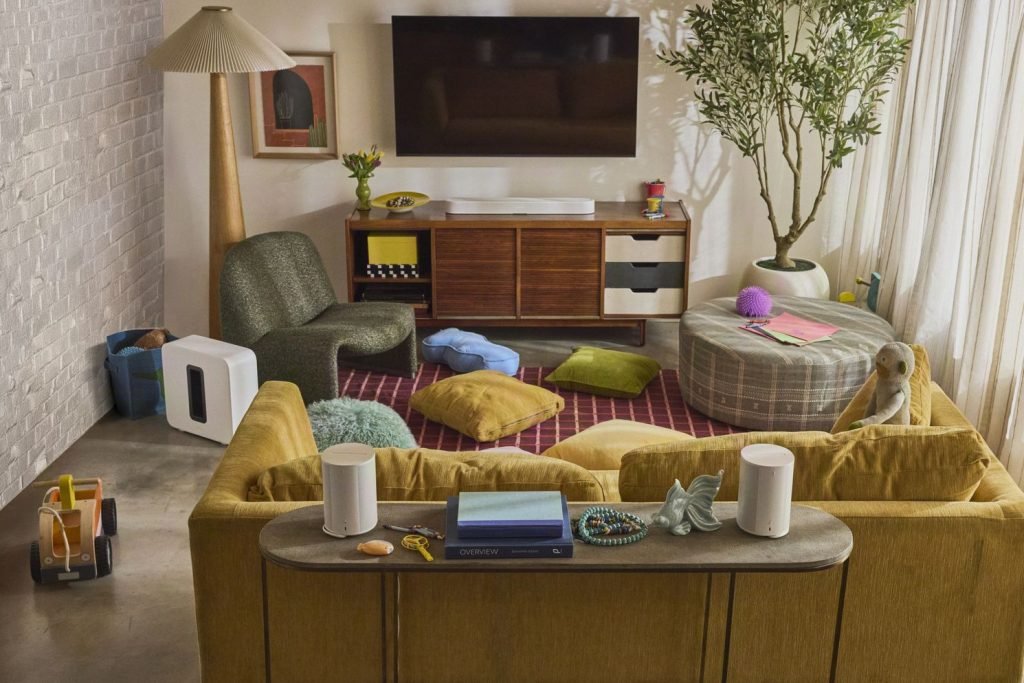
At A$1,099, the Beam Ultra is a premium investment for Australian buyers, but the specifications suggest it could comfortably anchor a robust living room setup. As with previous generations, the system is modular, allowing users to add a dedicated Sub or rear surrounds as their budget allows. The device also maintains comprehensive physical and wireless connectivity, supporting WiFi, Bluetooth, and HDMI eARC.

Taking the ecosystem mobile with Ace Ultra
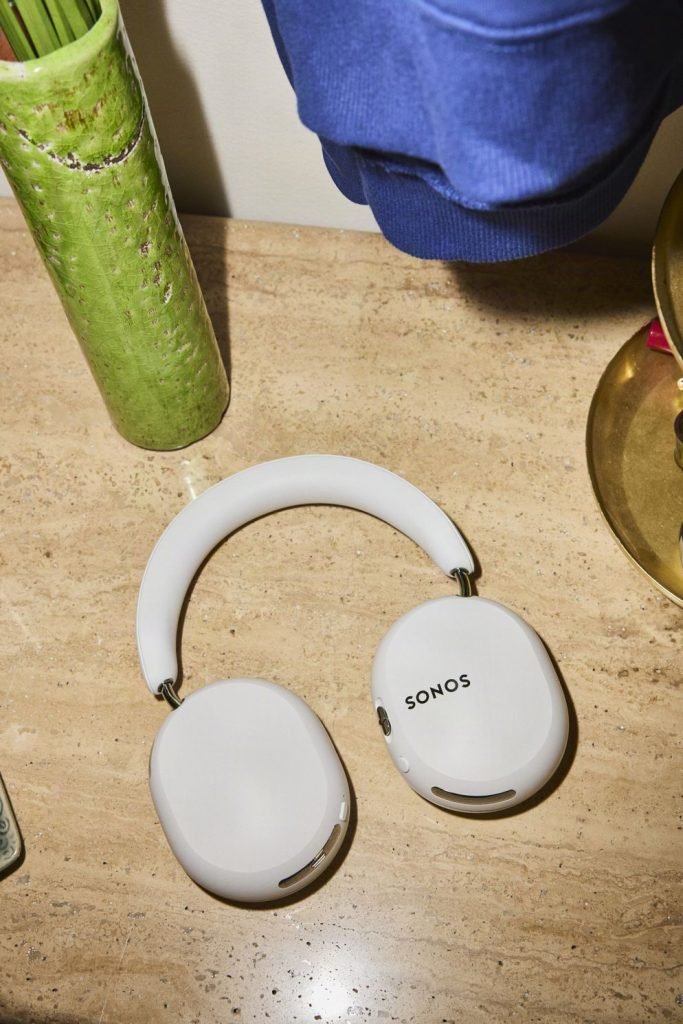
For personal listening, the company has introduced the Sonos Ace Ultra headphones at A$699. These premium over-ear headphones are built around a custom Sonos-designed 40mm driver. Active noise cancellation is handled by a 10-microphone array powering what the company calls next-generation Adaptive ANC. Battery life sits at a very practical 35 hours with ANC enabled, which easily covers a week of commuting or long-haul international flights. For those who prefer a wired connection, the Ace Ultra includes both USB-C and 3.5mm inputs.
The real differentiating factor, however, is the new Headphone Engine 2 hardware. This enables a direct link into the Sonos system. With a single button press, you can push the audio currently playing on your soundbar directly to your headphones, or pull it back to the room, entirely bypassing the need to have a smartphone in range.
This feature, launching initially in Early Access, represents a significant shift in how personal audio integrates with the broader home network.
Sonos 27 and the pivot to open AI
While new hardware is always welcome, the Sonos 27 operating system is where the most substantial functional changes occur. In a landscape dominated by locked-down voice assistants, Sonos is leaning into an open platform philosophy. Users can control their system using Sonos 27voice for basic, on-device music curation, or they can utilise the new Sonos 27mcp protocol to connect external AI agents.
This open protocol means direct integration with third-party platforms, including OpenAI’s ChatGPT.
The system uses the Model Context Protocol (MCP), hosted at mcp.ws.sonos.com/mcp, acting as an open standard for connecting AI to outside applications. Any MCP-capable AI can connect once authorised, meaning there are no exclusive partnerships or walled gardens. Users can ask their AI to adjust volume, group rooms, or check what is playing without ever opening the Sonos app.
“With this Sonos integration, people can ask ChatGPT to play music anywhere in their home from their phone or computer, without leaving the conversation they’re having.”
Atty Eleti, Product Lead for ChatGPT Voice, OpenAI.
Looking ahead, the platform will also support Sonos Custom Agents. This will allow users to build and deploy their own AI agents through the system, complete with custom models, personas, and voices.
“The smartest home isn’t run by one do-everything assistant, it’s run by people having the ability to pick – or create – the right agent for each job. That’s what Sonos’ open platform gives you.”
Nick Millington, Chief Innovation Officer, Sonos.
Dynamic positioning fixes the rear surround problem
Perhaps the most practical software update for everyday Australian users is the introduction of Sonos Fabric and Sonos Positioning Technology. Using high-frequency sound, the ecosystem can automatically sense the physical location of a speaker within a room and alter its role dynamically.
This unlocks a highly requested portable surrounds feature. If you own compatible portable Sonos speakers, you can simply bring them into the living room and place them behind the couch. The system will instantly recognise their position and reconfigure them to act as dedicated rear surround channels. When the movie is over, you can pick them up and return them to the kitchen or patio, and they will revert to standard standalone speakers.
This is an incredibly smart, pragmatic solution for renters or apartment dwellers who want temporary immersive audio without permanent cable clutter or dedicated rear speaker stands.
Australian availability and rollout details
The redesigned Sonos 27 app, which has been shaped and tested by the community, will begin rolling out on September 8 alongside the portable surrounds feature and the early access launch of Sonos 27mcp.
Both the Beam Ultra and Sonos Ace Ultra are available for pre-order starting September 2, 2026, at select retail partners and online, with general availability officially starting on September 29.
For more information, head to Sonos
.
For more tech updates, stay tuned to our blog.