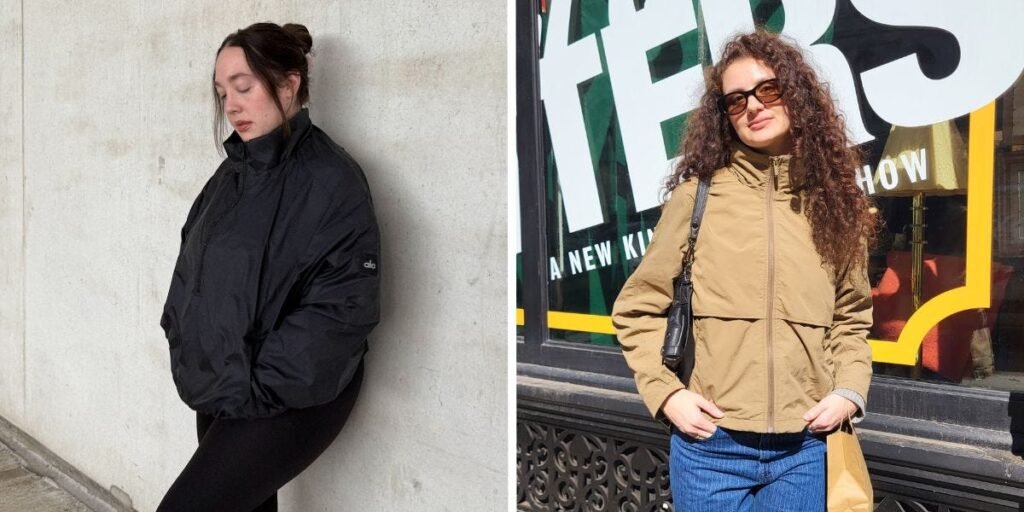
Versatility: Packing space is sacred; you can only fit so much in your suitcase, and everything you bring should serve multiple purposes. For this reason, we look for coats that go with several outfits and would work just as well on a blustery day as a rainy one, including features like reversible designs, removable hoods,
Versatility: Packing space is sacred; you can only fit so much in your suitcase, and everything you bring should serve multiple purposes. For this reason, we look for coats that go with several outfits and would work just as well on a blustery day as a rainy one, including features like reversible designs, removable hoods, and neutral colors that will complement most clothes.
Materials: Travel jackets all rely on one thing: lightweight, flexible materials that can fold down into a compact size and take up little room inside a suitcase or carry-on. Ideally, they should also be breathable and made with moisture-wicking fabrics to prevent overheating. A material like cotton, or a blend including it, is the gold standard, while polyester or ripstop nylon are also good choices.
Weight: On that note, weight also matters as lightweight travel coats not only don’t take up too much suitcase room, but they won’t add too much heft either, which risks overweight fees at the airport. Try to avoid heavy puffers if you plan to check it inside a bag, unless that is, it comes with a built-in sack that it’s designed to fold down and fit inside.
Warmth: A coat that doesn’t keep you warm is a waste of space, so consider your destination and its climate. A thin chore jacket won’t cut it in a northern locale, just as a thick puffer or heavy shearling will be overkill anywhere that’s usually warm. You might also prioritize windproof fabrics and look for added features like pockets, hoods, and high collars for added warmth.
Weatherproofing: If snow, rain, or other elements are possible, you’ll want to choose a coat meant to withstand them. Look for design features such as DWR coating or waterproof or water-restant materials that are meant to come in contact with moisture while keeping you protected and dry.
Fit: Sizing with coats can be tricky, as some run large while others can feel pretty snug. A good rule of thumb is to consult a size guide closely and take a good close look at the design. Does it look loose and flared out, or does it have a more tailored, body-hugging shape? If it appears oversized and roomy, it probably is, and you might want to size down. You might also choose a coat with adjustable cuffs, hems, and hoods to allow for a more customized fit.
For more tech updates, stay tuned to our blog.