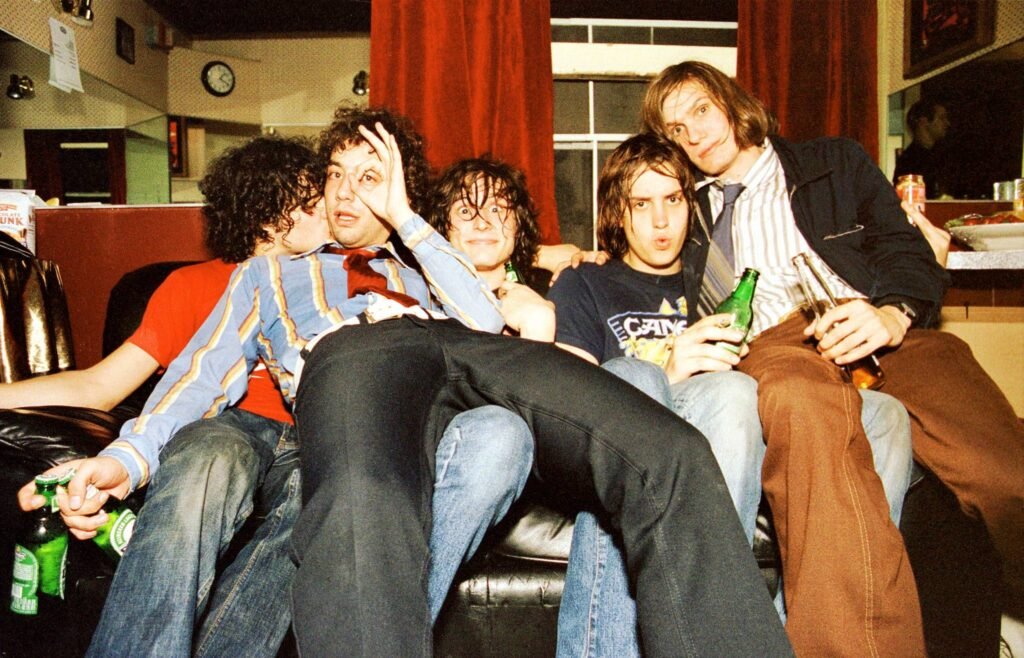
This year marks the 25th anniversary of Is This It, the classic album by the Stokes, the rock band that turned the page from Gen X pop culture to something more distinctly millennial. It’s also a favorite album for this author and Glassdoor senior economist Chris Martin, who used the phrase in a recent conversation
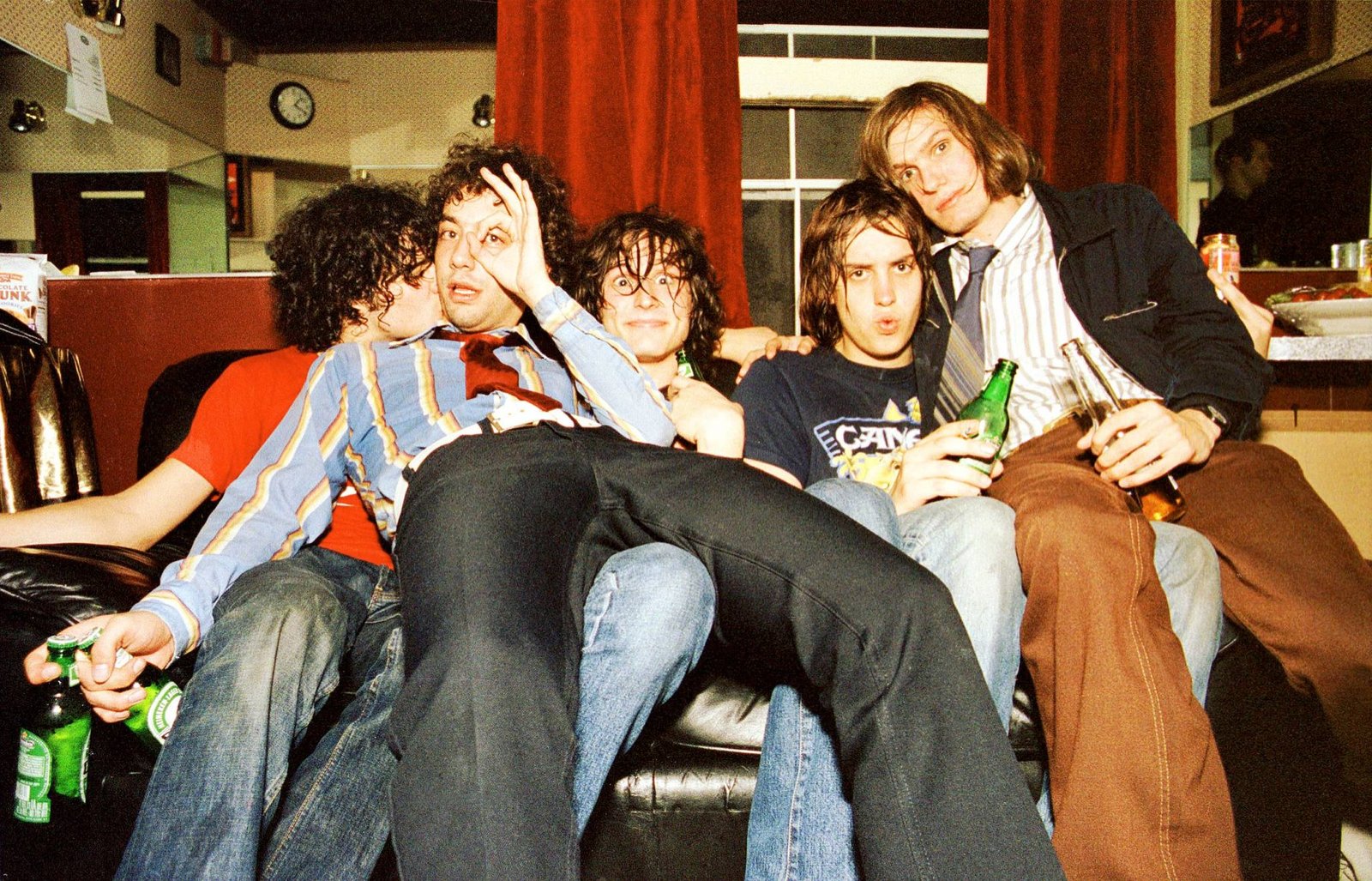
This year marks the 25th anniversary of Is This It, the classic album by the Stokes, the rock band that turned the page from Gen X pop culture to something more distinctly millennial. It’s also a favorite album for this author and Glassdoor senior economist Chris Martin, who used the phrase in a recent conversation about his latest Millennial Report.
Millennials, he told me about his most recent research, have reached midcareer, their earnings have “for the most part peaked,” and they can expect growth to match inflation from here on out for the rest of their careers. The vibe is “we’ve made it,” Martin said, “and the long and the short of it is, it doesn’t feel good.” He described it as an “is this it?” moment.
I had to ask, was he channeling Strokes lead singer Julian Casablancas?
“Guilty as charged,” Martin said, adding that of course, he used to listen to the Strokes, and that vibe does sum up the modern age.
Martin’s preferred shorthand for the moment, borrowed from one of his generation’s defining bands, is hard to improve on: it’s the exact question a generation of newly arrived executives is quietly asking about the careers they spent 20 years building. Is this all there is?
A different kind of midlife crisis
Martin’s new Millennial Report lays out the paradox in stark terms. Millennials now make up 33% of the U.S. labor force — more than any other generation — and have nearly closed the management gap with Gen X (35% to Gen X’s 38%). More than one in four executives are now millennials, and they outnumber Baby Boomers in both management and leadership roles. Meanwhile, 76% of millennials say they’re actively questioning their career path, and 68% have delayed a major life milestone because of career uncertainty, according to Glassdoor Community polling from this summer.
The generation’s Glassdoor reviews tell the same story in a different register: burnout mentions run 44% higher among millennials than other generations, job-insecurity language is up 47%, and layoff mentions are up 54%. For millennial women, burnout mentions are 76% higher than everyone else — the widest gap in the analysis.
The obvious question is whether this just midlife, dressed up in generational branding. Martin acknowledged that it’s a bit hard to explain as Glassdoor’s review data is a snapshot, not a time series. The company can measure how much millennials mention burnout right now relative to other generations, but it can’t directly measure whether millennials feel worse than Gen X did in 2011 using the same reviews methodology. “We have to look at broad macro indicators,” Martin said. “Take a look back 15 years, at Gen X — things are a little worse in 2026 than 2011.”
Gen X hit midcareer management in roughly 2011, in the middle of what Martin calls “sustained economic recovery and growth” from the Great Recession, although some economists call that decade the “jobless recovery.” Millennials are hitting the identical stage after five years of inflation running above the Federal Reserve’s 2% target, Martin noted, alongside AI-driven anxiety about which jobs will survive the next few years of disruption. “Millennials are just not in the same moment,” he said.
That comparison comes with an important asterisk that belongs in any honest accounting of this research: Glassdoor’s review data is a snapshot, not a time series. The company can measure how much millennials mention burnout right now relative to other generations, but it can’t directly measure whether millennials feel worse than Gen X did in 2011 using the same reviews methodology — that gap has to be filled with macro indicators instead. “We have to look at broad macro indicators,” Martin said. “Take a look back 15 years, at Gen X — things are a little worse in 2026 than 2011.”
Millennials may simply be hitting classic career and family milestones a few years later than expected. “Not all doom and gloom,” Martin said, but he’s also unambiguous about which decade he’d have preferred: “I would rather have become a manager in 2011 than in 2026.”
The report proposes a central concept — “stability stacking” of layering skills, options, income and networks together so that no single job or disruption can knock them flat. This doubles as an indictment of the take-it-or-leave-it state of the current labor market, though, as it means in practice that soft-launching a new direction has to occur while staying employed, upskilling in AI-adjacent areas, pivoting laterally, or building visibility in a target industry before making a formal move. Martin also cautioned that the data are inconclusive about whether millennials can start businesses at the same rate other generations did.
“Stability stacking is a response to this moment of, ‘I thought it would feel better. I thought I could count on my career and feel stable.’ We’ve all been waiting for the bottom to fall out, and then a moment like, ‘maybe it’s not going to happen,’” he added.
What the data does show clearly is the emotional substrate underneath the strategy: “They feel really insecure in their jobs. Many are not in a position to be unemployed or strike out on their own.”
The trust deficit nobody predicted
The most surprising finding in Martin’s research cuts against his own hypothesis going in. He expected Gen Z — culturally coded as the generation most skeptical of corporate motives — to rate senior leadership harshly, given the perceived gap between companies’ stated values and their profit motives. Instead, Gen Z gives senior leadership higher marks and expresses more optimism about business outlook than any other generation in the dataset. The most pessimistic, most skeptical generation toward leadership is the middle management cohort themselves: the millennials.
Martin’s explanation is personal as much as structural: “Millennials have had a couple of big rug-pull moments in their career, so we are scarred from that experience — less likely to trust things.” The Great Recession hit as millennials entered the workforce; the pandemic hit as many were entering management. Two “once-in-a-lifetime” crises, arriving exactly when trust in institutions was supposed to be compounding, not eroding. It’s left a generation of managers feeling alone, together.
But what about the fact that the economy never tipped into the widely predicted recession in 2023, and a soft landing was pulled off instead? “We talk about a plane crash,” Martin said, “and it’s really obvious to tell when that happens. But landing a plane — the economy is not a single plane. It’s hard to tell if the landing process is behind us.”
Pressed on whether conditions are actually bad, Martin’s answer is neither alarmist nor dismissive: “Not as bad as we feared.” In other words, tables they turn sometimes.
For this story, Fortune journalists used generative AI as a research tool. An editor verified the accuracy of the information before publishing.
For more tech updates, stay tuned to our blog.