
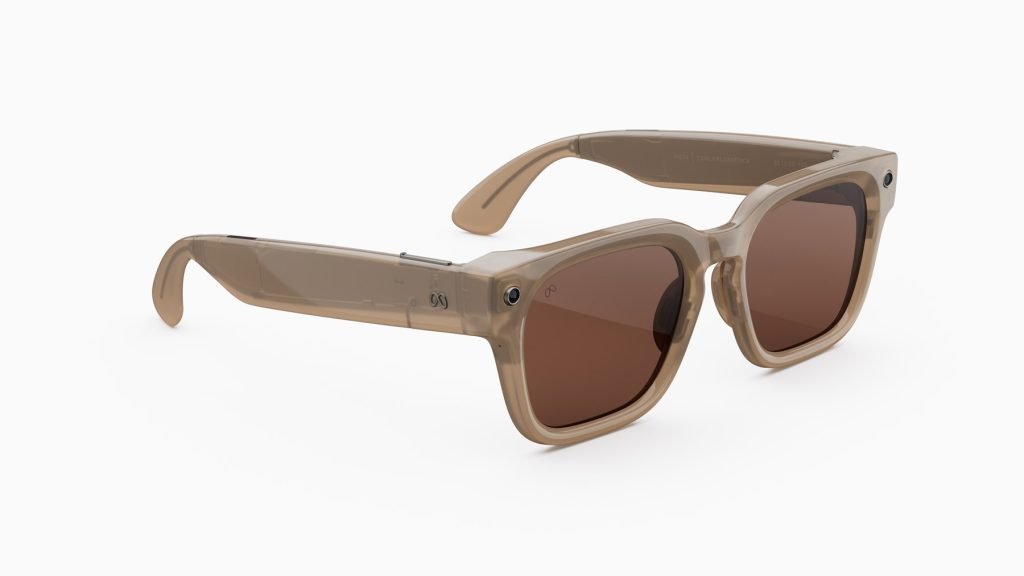
Meta and EssilorLuxottica have officially launched their brand new range of AI-powered smart glasses down under, dropping a massive update to their wearable tech lineup. The big news this time around is that Meta is moving away from the premium Ray-Ban branding for these core models. This means the entry price has plummeted to a
Meta and EssilorLuxottica have officially launched their brand new range of AI-powered smart glasses down under, dropping a massive update to their wearable tech lineup.
The big news this time around is that Meta is moving away from the premium Ray-Ban branding for these core models. This means the entry price has plummeted to a far more approachable A$469, which is a major win for mainstream adoption.
When you look at the broader smart eyewear landscape, pushing a fully featured pair of glasses under the A$500 threshold changes the equation for buyers.
Top-tier hardware that does not compromise on the essentials
The most refreshing aspect of this release is that Meta did not completely gut the internal specification sheet to hit that lower price bracket.
The good news is, you still get the exact same ultra-wide 12-megapixel camera that shoots crisp 3K video at 30fps from your direct point of view.
In the audio department features two open-ear Bluetooth speakers alongside a custom six-microphone array that blocks out 90% of background wind and street noise.
The device also packs 32GB of internal storage, which is plenty of room to save over a thousand photos or a hundred 30-second clips before syncing to the mobile app.


Unboxing the new style combinations
While the tech remains cutting-edge, moving away from iconic Ray-Ban frames like the Wayfarer means the design aesthetic takes a minor hit. The new range introduces three frame styles across 26 distinct color and lens combinations developed by EssilorLuxottica.
There is the classic rectangular Meta Adventurer available in standard and large sizes, the chunky square statement piece known as Meta Fury, and the slim oval Meta Glasses by Kylie.
The Meta Glasses Adventurer models weigh in around 53.6g to 54.8g, while the bolder Fury frame pushes the scale to a slightly heavier 60g.
They look perfectly fine on paper and offer great ergonomics like 3-way adjustable nose pads that flex up to 15 degrees, but they lack that immediate, effortless cool factor of high-end fashion branding.
The premium Kylie Jenner collaboration frame also commands a heftier price tag, starting out at A$629 for Australian buyers. Taking a minor styling hit is a compromise I am entirely willing to accept given the sheer dollar value and cost savings on the table here.

Why the smart glasses experience is so hard to shake
Reflecting on my recent time reviewing the second-generation Ray-Ban Meta glasses, I realized how much I actually miss having that specific functionality baked into my daily life.
There is a distinct convenience to capturing a spontaneous family memory or listening to a favorite podcast while remaining entirely present in your physical surroundings.
The updated software features rolling out now only sweeten the deal, especially the new Dynamic Photo feature which automatically snaps multiple frames to recommend the best shot. The addition of live translation supporting 20 languages, including real-time audio playback for Mandarin, Japanese, Hindi, and Korean, makes the hardware feel like a true companion device.
With a solid 8 hours of battery life on a single charge and an additional 40 hours tucked inside the clever foldable charging case, the utility is undeniably there.
This pricing layout instantly makes me want to run out and buy a pair just to get those point-of-view capture capabilities back on my face.
The Google Gemini factor and the upcoming platform wars
Despite how good the physical value proposition looks for the Adventurer or Fury frames, the software ecosystem presents a massive roadblock for my specific workflow.
The core Meta AI assistant on these glasses is now powered by the new Muse Spark model from Meta Superintelligence Labs, which handles visual understanding and schedule management hands-free. However, that advanced Muse Spark integration is currently limited to users in the United States and Canada, meaning Australian buyers miss out on the smartest version of the assistant at launch.
More importantly, I am someone who lives heavily inside the Google ecosystem, utilizing tools like Google Gemini on a much more consistent basis than anything Meta offers.
We are also standing on the absolute precipice of a major hardware shift, with Android-powered XR glasses from various industry partners sitting just around the corner. Given that reality, the temptation to keep my shirt on and see what the Android camp delivers over the coming months is incredibly strong.
An Android-centric pair of smart glasses will almost certainly offer deeper, native integration with Gemini and the core Google productivity apps I rely on every single hour. If you want an affordable, high-quality hands-free camera attached to your face today for under A$500, the entry-level Meta Glasses are an absolute steal.
But if your entire digital life revolves around Google’s AI ecosystem, waiting to see how the platform wars play out on your face might be the smartest play you can make.
For more information, head to Meta.com
















Leave a Comment
Your email address will not be published. Required fields are marked with *