Days after the law was passed, the Akal Takht raised objections, not to the harsher punishments, but to the provisions on terminology, the registration and custody of the physical forms of the Guru Granth Sahib and its administration. He argued that these were questions of Sikh religious practice that should be decided by Sikh institutions,
Days after the law was passed, the Akal Takht raised objections, not to the harsher punishments, but to the provisions on terminology, the registration and custody of the physical forms of the Guru Granth Sahib and its administration.
He argued that these were questions of Sikh religious practice that should be decided by Sikh institutions, not the state. He also opposed plans to assign unique identification numbers to physical copies of the Guru Granth Sahib and maintain a central registry, saying such decisions should not rest with the government.
The Akal Takht convened, external the Speaker of the Punjab Assembly on May 8 to explain why Sikh religious institutions had not been consulted before the law was enacted. AAP spokesperson Kultar Singh Sandhwan appeared before the Akal Takht and defended the law., externalsaying that it was necessary to protect the Guru Granth Sahib.
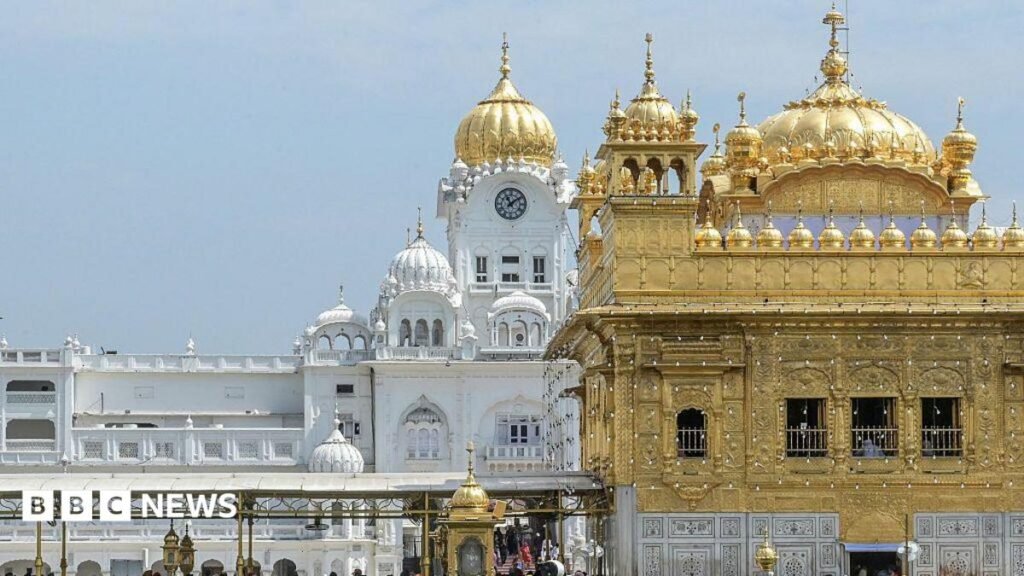
Although the Akal Takht has no constitutional authority over elected governments, it wields immense religious influence among Sikhs.
In Punjab, where religion and politics have long been intertwined, political leaders from all parties have traditionally been responsive to his directives on matters affecting the Sikh faith, making his views difficult for governments to ignore.
Since then, the controversy has deepened.
The Akal Takht summoned Sikh ministers and legislators from all parties, including the AAP, to explain why they had supported the law.
During the proceedings, Akal Takht director Kuldip Singh Gargajj asked if they had read the legislation before voting on it. Several lawmakers admitted no, saying that copies of the bill circulated shortly before the debate, according to news agency PTI.
Terming this as “gross negligence”, the Akal Takht chief asked the Punjab government to amend the law within a month and urged it not to implement the controversial provisions until then.
The dispute has also become a political issue.
Punjab’s three main opposition parties – the Congress, the Shiromani Akali Dal and the BJP – accuse the AAP government of rushing the bill through the assembly without properly consulting Sikh religious institutions.
The dispute comes at a sensitive time, with state elections due early next year, increasing pressure on Chief Minister Bhagwant Mann, who is also facing a separate controversy over a video allegedly linked to sacrilege.
Opposition parties have accused Mann of hurting Sikh sentiments over a video they claim shows him consuming alcohol and splashing it over photographs of Sikh gurus. Mann has called the video “made up.”
He has defended the law, saying it will not be repealed, but has indicated that the government is open to considering Akal Takht’s suggestions before deciding whether to amend it or not.
Follow BBC News India on instagram, external, YouTube,, external Twitter, external and Facebook, external.
Keep following us for the latest insights.