Sun Valley, the so-called summer camp for billionaires, begins this week in Idaho, and while it’s unfair to blame the conference for all the problems plaguing the media business, it’s not a bad place to start. Organized by investment bank Allen & Co., the off-the-record scheme is famous for generating some of the most historic
Sun Valley, the so-called summer camp for billionaires, begins this week in Idaho, and while it’s unfair to blame the conference for all the problems plaguing the media business, it’s not a bad place to start.
Organized by investment bank Allen & Co., the off-the-record scheme is famous for generating some of the most historic mergers of the past four decades. Everything from Disney’s merger with ABC/Capital Cities to Time Warner’s marriage to AOL and Yahoo’s sale to Verizon was cooked on the patio or in the cafeteria at the Sun Valley Lodge.
Never mind that many, if not most, of these unions were disasters—examples of corporations rashly attempting to achieve scale they could not sustain or maximize efficiencies they would never achieve—for some reason, Sun Valley still has an irresistible appeal as the former and future home of the next big business. CEOs scramble to get an invite so they can be in the room where it happened (almost every year that Variety has revealed the guest list, someone prominent stops by to see how they get a ticket). After all, it’s a big collection of power brokers – think Davos with a higher average net worth. This year, Meta’s Mark Zuckerberg, Disney’s Josh D’Amaro, Paramount’s David Ellison, Comcast’s Brian Roberts, OpenAI’s Sam Altman and Apple’s John Ternus are expected to land in Sun Valley for the better part of a week.
But before Netflix tries to buy Sony or Apple takes over Mattel, it’s worth examining how recent media mergers have led to an industry burdened with debt and less able to deal with dramatic changes in the way audiences watch movies and shows and spend their expendable income. Yes, Disney’s purchase of ABC/Capital Cities gave it a major foothold in broadcast television when it was a fantastic business. But it took a long time for shareholders to emerge from the rubble of Time Warner’s merger with AOL or Verizon’s acquisition of Yahoo. And ask Washington Post employees what they think of Jeff Bezos’ tenure, 13 years after the Amazon owner agreed to take over the paper at the conference. Other deals that originated in Sun Valley and looked good at the time, such as Comcast’s purchase of NBCUniversal, are now unraveling. Of course, Allen & Co., an investment firm with a lucrative side business acting as a financial advisor on corporate mergers, profits whether or not these deals ultimately benefit the companies’ shareholders and employees. The big winners in M&A transactions are always lawyers and banks.
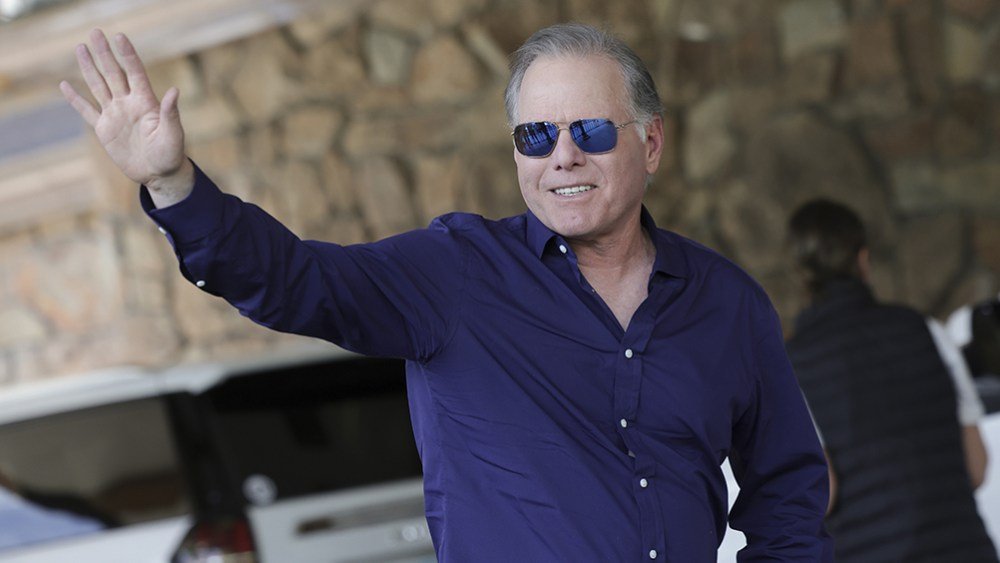
Some media figures such as Thomas Friedman of the New York Times, Anderson Cooper of CNN and Gayle King of CBS News are allowed to attend Sun Valley, as long as they do not report on what is shared in the panel discussions held each morning. But the rest of the press is cordoned off from the CEOs and investors, allowed to photograph them as they walk around the complex in windbreakers or shout questions at them that they normally ignore. I have attended a few conferences over the years, and it is a humiliating experience, one that has become more unbearable as security guards become more zealous in ejecting journalists from the property for the slightest offense.
As a stage show, Sun Valley had its pleasures. It was always interesting to watch the Murdochs try to present a united front, smiling through their toxic family dynamic, or watch various supplicants position themselves for Bob Iger’s throne at Disney as part of a never-ending succession drama. And I’ll never forget the sight of Harvey Weinstein shoving a huge chocolate chip cookie into his mouth and devouring it like it was a wood chipper.
Some of the journalists who have been granted the privilege of going behind the velvet rope have taken advantage of the opportunity. Bari Weiss, founder of the Free Press and turned editor-in-chief of CBS News, ingratiated herself with the multimillion-dollar group and found a receptive audience for her anti-woke crusade in Sun Valley. His rise and the destruction he has wrought on the Tiffany network can be traced back to the Sun Valley conference.
The animating idea behind Sun Valley isn’t a bad one: bringing together the best minds from business, entertainment, politics and other fields in a fluid exchange of ideas can spark unexpected collaborations and generate insights. But in practice, it fuels the perception among the billionaire crowd that they know better than the rest of us about, well, everything. That the intractable problems of our education, health and justice systems could be solved if they were managed like Amazon or Google. For an example of how well this works, look no further than DOGE, the Trump administration’s cost-cutting unit overseen by Elon Musk, who received a rock star welcome when he attended Sun Valley a few years before taking a chainsaw into the federal workforce.
This year, there are many thorny issues for tycoons and influencers to debate: from the wars in Ukraine and Iran to the climate crisis and the rise of AI. But most corporate pashas head to the Rocky Mountain resort because they worry that if they don’t show up they’ll miss the chance to orchestrate the kind of transformative merger that cements legacies. Never mind that history shows us that the best deal may be the one that didn’t get made.
Check back often for more exciting news!