Public health experts warn that the outbreak in Bangladesh is proof of the dangers of any interruption in vaccination coverage. Three hours from the capital, Dhaka, we are witnessing the consequences of the vaccine shortage. Mosammat Nila Akhter and her husband took their 10-month-old daughter, Maliha, to a clinic to get vaccinated in February, but
Public health experts warn that the outbreak in Bangladesh is proof of the dangers of any interruption in vaccination coverage.
Three hours from the capital, Dhaka, we are witnessing the consequences of the vaccine shortage.
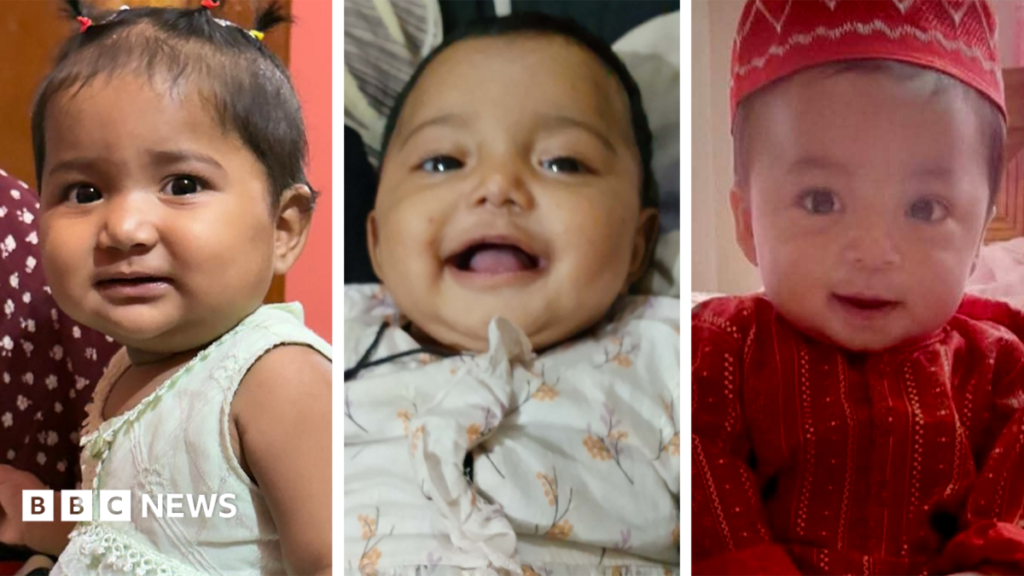
Mosammat Nila Akhter and her husband took their 10-month-old daughter, Maliha, to a clinic to get vaccinated in February, but were told there were none left.
In late March, as the outbreak was taking hold, Maliha was admitted to the hospital with pneumonia, but was discharged a few days later. Later, her parents noticed a rash starting to form on her belly.
Upon returning to the hospital they were told that there were no beds available. Desperate, they waited three hours at another hospital until another child was discharged. Akhter says bed shortages meant children with and without measles shared wards.
“No matter how much we cleaned his body, his fever didn’t go down. The doctors kept coming and saying, ‘keep cleaning his body,'” Akhter says.
They were told that Maliha needed an ICU bed, but the hospital had none to offer. For hours they rode in an ambulance, Maliha struggling to breathe, until they found one.
“She would just look at me. Even with all those tubes and machines attached to her, she would try to reach out, wanting to climb into my lap,” Akhter recalls, tearfully.
Three days later, Maliha died.
“Everything about her was wonderful,” Akhter recalls, his voice breaking.
“Who to blame?” she asks. “Should I blame the government because my son didn’t get the vaccine?”
For more tech updates, stay tuned to our blog.