
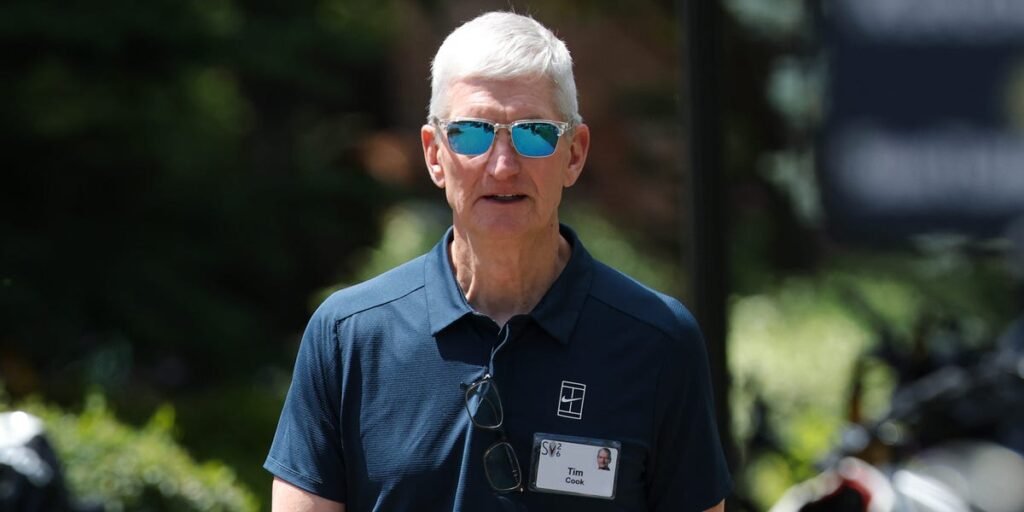
OpenAI has been on a recruiting spree, overloading its workforce and pulling top AI talent from other tech companies. Now, Apple says the AI giant has been playing dirty with its recruiting tactics. The Cupertino tech giant accused OpenAI of stealing trade secrets in a lawsuit filed Friday that also targeted its hardware company, IO,
OpenAI has been on a recruiting spree, overloading its workforce and pulling top AI talent from other tech companies. Now, Apple says the AI giant has been playing dirty with its recruiting tactics.
The Cupertino tech giant accused OpenAI of stealing trade secrets in a lawsuit filed Friday that also targeted its hardware company, IO, and two former Apple employees who worked at OpenAI. The lawsuit marks a dramatic escalation in the AI talent wars, where competition for elite engineers has become almost as fierce as the race to build smarter models.
The complaint accuses OpenAI of using various stages of the hiring process to extract confidential information from the iPhone maker.
“We have no interest in other companies’ trade secrets,” an OpenAI spokesperson told Business Insider. “We remain focused on developing innovative technology that empowers people everywhere.”
OpenAI recruiters reportedly told candidates to study confidential Apple documents and prepare “technical deep-dive” presentations about his work at Apple, according to the lawsuit. One executive asked a candidate to bring physical Apple parts to interviews for “show and tell” sessions, the lawsuit alleges. The complaint lists some of the requested parts: batteries, logic boards and glass samples.
The lawsuit claims that a job candidate “expressed concern about OpenAI’s tactics, noting that he was ‘surprised that people had brought’ Apple parts to interviews because ‘he didn’t know we could bring them from the office.'”
Apple also alleges that OpenAI interviewers would “look for secret information” during the hiring process, including asking for explanations about vendors, suppliers, and engineering strategies.
The lawsuit called these actions “known and deliberate” and also alleged that OpenAI interviewers would use secret Apple codenames.
Apple wrote in its lawsuit that it had found incriminating messages on workers’ company-issued laptops.
Tang Tan, a former Apple employee and current OpenAI hardware chief named as a defendant in the lawsuit, is a central figure in his former employer’s allegations.
In the complaint, Apple alleges that Tan used an Apple document outlining termination procedures to warn recruited employees about Apple’s security and forensic controls. The complaint alleges that OpenAI told workers leaving Apple that they would not be asked to sign anything during their exit interviews.
“As expected, Apple has discovered a troubling recent pattern among employees leaving and then going to work for OpenAI,” the lawsuit says.
It continues: “Departing employees have been taking steps to evade security measures, such as failing to provide two weeks’ notice and ignoring communication from security staff to schedule exit processes and security reviews, all of which can help conceal misuse and misappropriation of confidential information.”
Do you have any advice? Contact this journalist by email at scouncil@insider.comor by text message, Signal, Telegram or WhatsApp at 415-757-8198. Use a personal email address, a non-work WiFi network, and a non-work device.