the field of Lithium batteries are currently dominated by Chinese companies such as BYD and CATL. Not only do they sell the majority of batteries used in electric vehicles and energy storage projects around the world, but they are also opening new factories in their backyard. When companies outside China try to compete, like Europe’s
the field of Lithium batteries are currently dominated by Chinese companies such as BYD and CATL. Not only do they sell the majority of batteries used in electric vehicles and energy storage projects around the world, but they are also opening new factories in their backyard. When companies outside China try to compete, like Europe’s Northvolt, they quickly realize how difficult it is.
But there is still hope for China’s rivals. If another company can crack the next generation of battery technology, it may still be able to take the lead. And the battery industry already has a consensus on what that technology could be: solid-state batteries.
Today, almost all batteries have liquid electrolytes that transport ions between the positive and negative side. But the liquid can spill, vaporize, and even catch fire. That’s why, for decades, scientists have tried to replace it with a solid electrolyte that could make batteries safer, more powerful and more resistant to low temperatures.
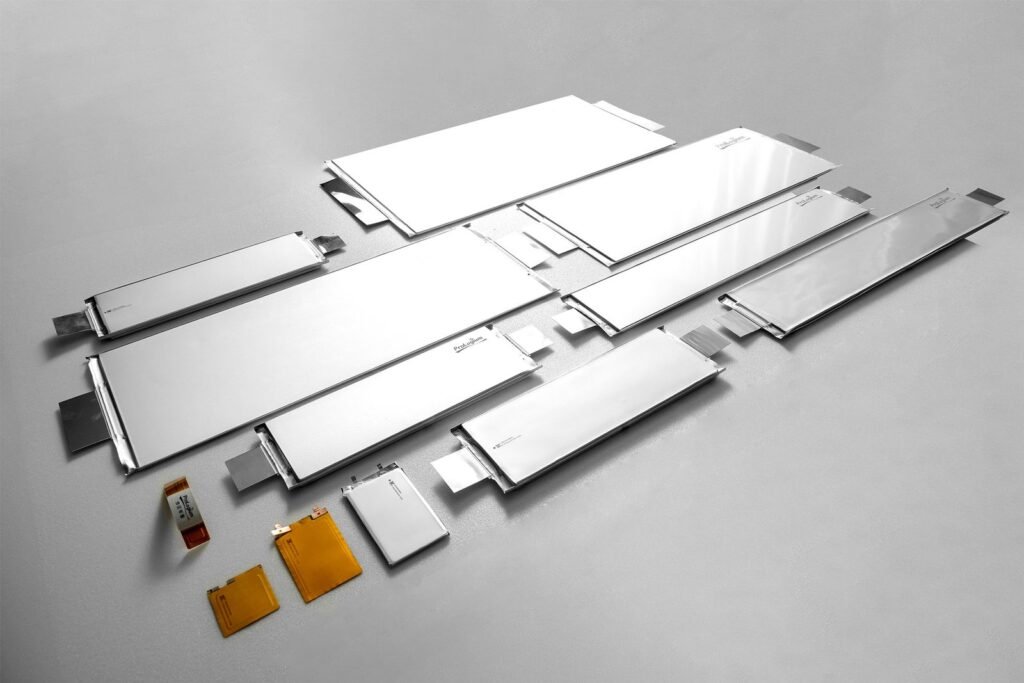
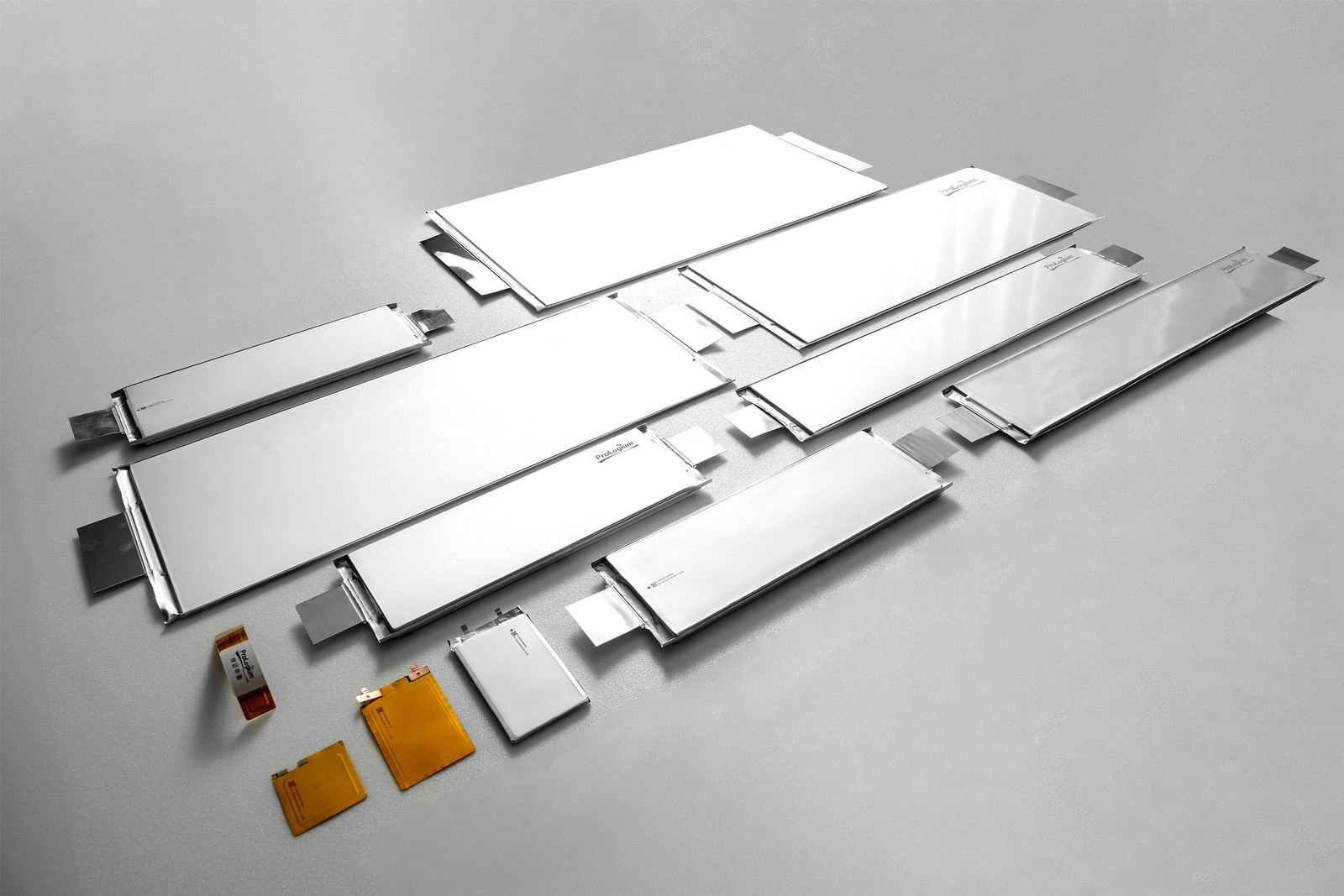
Solid-state batteries have been created in laboratories, but they are expensive and difficult to manufacture at scale. Many companies are trying to find the right chemical composition that will make this technology commercially viable. That’s also the goal of Vincent Yang, founder and CEO of ProLogium, a Taiwanese company that says it will begin mass producing solid-state batteries starting in 2027.
I recently met Yang in New York City. (Despite having the same last name, there is no relationship). With a PhD in materials science and more than 20 years of experience researching and manufacturing batteries, he’s seen it all. “I’ve made almost every type of battery. You can consider me a living fossil for some of the older technologies,” he says.
Until recently, ProLogium was one of the smaller players in the battery space. Then, earlier this year, the company unveiled its fourth-generation solid-state battery product, which it says will be cheap and easy to mass produce. Now, ProLogium is expanding rapidly: In February, it broke ground on a gigafactory in Dunkirk, France, after receiving a €1.5 billion local government grant to produce solid-state batteries in Europe. In May, ProLogium announced a merger with TDAC, an American blank check company, to list on the Nasdaq at a valuation of $3.8 billion.
For solid-state battery researchers, the current moment seems full of opportunity. Of course, Chinese companies like CATL are also investing in solid-state battery research and have the advantage of having more resources and more customers. But the fact that solid-state batteries use very different materials and production methods means there’s a new playing field where upstarts have a chance to beat established players. “We are competing with the biggest people in the world. But even for the biggest companies in the world, this is still a difficult technical challenge to solve,” Yang says. Competition provides pressure, but also an adrenaline rush.
Keep following us for the latest insights.