Receive the daily Popular Science newsletter💡 Breakthroughs, discoveries and DIY tips delivered six days a week. By registering, you confirm that you are over 16 years of age, will receive newsletters and promotional content, agree to our Terms of Use, and acknowledge the data practices in our Privacy Policy. You can unsubscribe at any time.
During the 2014 FIFA World Cup, a missed penalty likely caused a fatal heart attack in a 58-year-old Chilean fan. Shortly afterward, his wife developed severe chest pain and was hospitalized with stress-induced cardiomyopathy, also known as “broken heart syndrome.” The intense emotional stress of the match and her husband’s sudden collapse had caused part of her heart to stop working.
The chances of such events occurring are small in healthy people. But that doesn’t mean healthy viewers are immune to any physical effects. In fact, research shows that watching football is associated with a wide range of physical effects, not always noticeable or dramatic, but relevant to health.
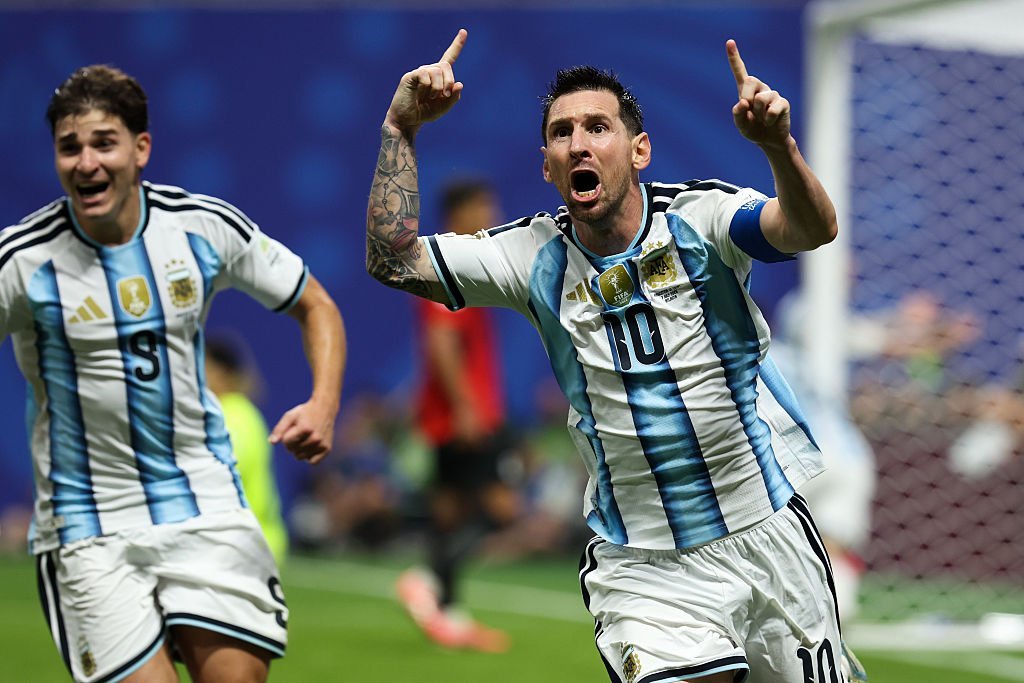
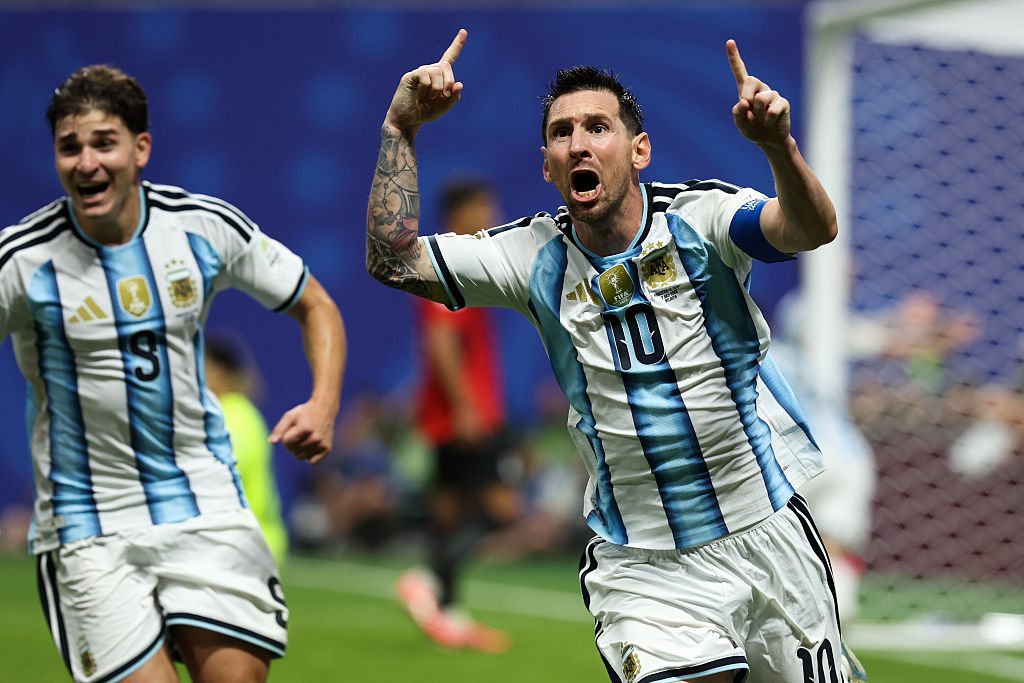
“Being a footballer [soccer] “fan is far from a simple passive activity: the brain and body respond similarly to direct physical competition,” says Dr. Matt Butler, a neuropsychiatry researcher at King’s College London, who recently published a scientific paper on the behavioral neuroscience of football fans. “As we watch our players sweat on the field, we respond as if we were playing too.”
And the more you care, the worse it is. “A process called identity fusion occurs in die-hard fans, who experience what happens at the club almost literally as if it were happening to themselves,” explains Butler.
Stress spikes
In 2012, scientists studied Spanish soccer fans while they watched their team play in the 2010 World Cup final. Compared to a normal day, the fans had much more cortisol, the “stress hormone,” in their bodies while watching the game. The increase was even greater in men, younger fans, and fans more passionate about their team.
Scientists believe this is due to something called “social self-preservation.” Basically, humans have a deep need to feel good about themselves and to feel that other people view them favorably. When something threatens that (like being rejected by a group of friends or watching your team lose), your brain treats it as a physical threat. That triggers a stress response in your body and cortisol kicks in quickly.
This increase in stress is not limited to game time. When researchers tracked the health data of fans supporting a German soccer team for 12 weeks, using their smartwatches, they found that stress levels began to rise as early as 14 hours before kickoff.
Hearts feel the pressure
In addition to cortisol, your body’s “fight or flight” response floods your bloodstream with adrenaline and similar chemicals when you’re stressed. Together, these chemicals speed up the heart rate and raise blood pressure, meaning the heart needs more oxygen to keep up. But at the same time, these same stress chemicals can cause the blood vessels that feed the heart to constrict more, reducing the flow of oxygen. That imbalance (needing more oxygen but receiving less) can be dangerous and, in some cases, can even trigger a heart attack.
Plenty of real-world data supports this. During the 2006 World Cup in Germany, doctors found that watching a stressful match more than doubled a fan’s chance of having a heart problem that day.
During the 1998 World Cup, hospital visits for heart attacks increased by 25 percent on the day England lost to Argentina in a penalty shootout, as well as on the two days afterward. That increase wasn’t caused by other health problems, just heart attacks.
And in Spain, a study of local league games found a 30 percent increase in heart-related hospital visits among men who already had heart problems, on days their team lost.
Still, Butler wants people to keep this in perspective: Watching football increases the chance of having a heart problem, but for most people, that chance is small at first, so the actual danger remains low.
Testosterone and sexual activity increase
During the 2010 World Cup final between Spain and the Netherlands, testosterone levels increased in fans while watching the match. Unlike cortisol, this increase was not related to gender, age, or how much they cared about their team.
“Testosterone is a hormone that increases in response to competitive situations, so it is perhaps not surprising that the release is greatest when fans watch football, regardless of gender,” Butler says.
There also appears to be some evidence behind the urban legend that high-stakes tournaments lead to a baby boom nine months later. As the 2024 UEFA European Football Championship was underway, researchers tracked the daily sexual behaviors, thoughts and fantasies of nearly 1,000 participants from five European countries and found that fans experienced approximately 27 percent more sexual activity in the days following their national team’s victories, compared to defeats.
“Collective rituals and celebrations since time immemorial have been associated with greater intimacy and social bonds,” Butler says. “It may not be too much of a leap to assume that people might be more likely to engage in sexual activity during times of collective social euphoria.”
Related stories
Sleep loss and car accidents
When a tournament is held in a distant time zone, fans will stay up late to cheer on their team, and this can have far-reaching effects.
For example, the 2002 World Cup, which was held in Asia, was broadcast in the middle of the night or early morning for American fans. Scientists found that in American cities with a lot of German ancestry, deaths from car accidents increased by 35 percent on days when Germany played. And in cities with the highest concentration of German heritage, accidents increased by 122 percent!
When scientists analyzed car accident statistics during a subsequent World Cup, where matches were broadcast at normal times, the spike in accidents disappeared. This suggests that sleep loss, caused by fans staying up late to watch, was behind the 2002 deaths.
“This simply emphasizes the fact that even a single night of sleep deprivation can affect cognitive abilities, particularly concentration,” Butler says, “and drivers may want to consider this when they’ve stayed up late to cheer on their team.”
Soccer vs other sports
Football is not the only sport that causes physical changes in fans’ bodies; Similar impacts on heart health are also seen in fans of American football, rugby, hockey and baseball.
What might make these effects more prominent in soccer is the fact that “it’s such a low-scoring game, meaning goals can be hugely meaningful and particularly euphoric when they occur,” Butler speculates.
“Also, because goals are relatively rare, chance plays a bigger role than in many high-scoring sports. The best teams can lose, and the underdogs have a chance to pull off upsets. This makes it extremely exciting, stressful and rewarding to watch.” So next time you cheer on your team, remember it’s just a game.

2025 PopSci Best of what’s new
Check back often for more exciting news!