In recent months, many countries have announced plans to restrict access to social media for children and teenagers. Australia became the first to implement such measures late last year, setting a precedent that other countries are now closely following. France is now the latest country to announce such a measure. Regulations and proposals put forward
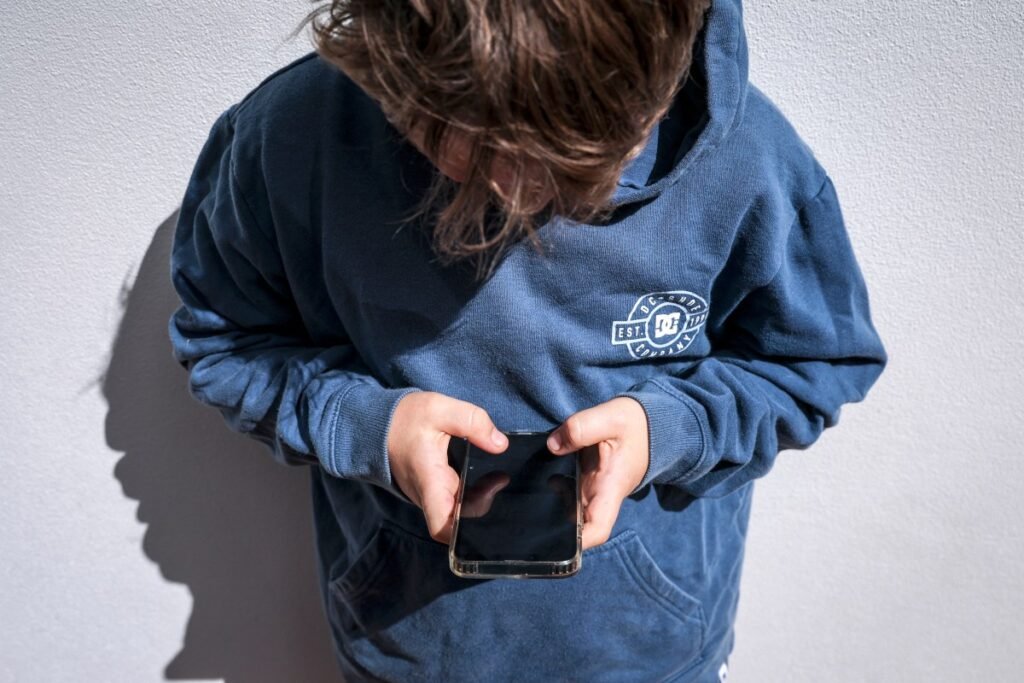
In recent months, many countries have announced plans to restrict access to social media for children and teenagers. Australia became the first to implement such measures late last year, setting a precedent that other countries are now closely following. France is now the latest country to announce such a measure.
Regulations and proposals put forward by governments around the world aim to reduce the pressures and risks that young users may face on social media, including cyberbullying, addiction, mental health issues and exposure to predators.
Of course, there are privacy concerns regarding invasive age verification and excessive government intervention. Critics, including Amnesty Tech, have said such bans are ineffective and ignore the realities of younger generations. Despite this, many nations are moving forward with the proposed legislation.
We’ve compiled a list of countries that are considering or have already moved forward with banning social media for young users.
Australia
Australia became the first country in the world to ban social media for children under 16 in December 2025. The ban prevents children from using Facebook, Instagram, Snapchat, Threads, TikTok, X, YouTube, Reddit, Twitch and Kick. In particular, it does not include WhatsApp or YouTube Kids.
The Australian government has said these social media companies must take steps to keep children off their services. Companies that do not comply can face penalties of up to A$49.5 million ($34.4 million).
The government says these platforms should use multiple verification methods to ensure that people using their services are over 16 years old. He also notes that they can’t trust users to simply enter their own age.
Austria
Austria said in late March that it will ban social media for children up to 14 years old. The bill for the ban is expected to be finalized in June.
Canada
The Canadian government introduced a digital safety bill in early June that would ban social media for children under 16. Under the legislation, social media giants could get around the ban if they show they have policies to protect young users. Officials have said the bill could take a year to pass.
Denmark
Denmark is set to ban social media platforms for children under 15. The Danish government announced in November 2025 that it had gained support for the ban from three ruling coalition parties and two opposition parties in parliament.
The government’s plans could become law by mid-2026, according to the Associated Press. Denmark’s Ministry of Digital Affairs is also launching a “digital evidence” app that includes age verification tools that can be used as part of the ban.
France
France passed a law on July 21 banning access to social media for anyone under 15 years of age. The law could go into effect on September 1. The law will also ban the use of mobile phones in secondary schools, expanding a ban already in place in primary and secondary schools.
Germany
In early February, German Chancellor Friedrich Merz’s conservatives discussed a proposal to ban children under 16 from using social media, Reuters reported. However, there were signs that his centre-left coalition partners were hesitant to support an outright ban.
Greece
Greek Prime Minister Kyriakos Mitsotakis announced in April that the country will ban access to social media for children under 15 starting in January 2027. Mitsotakis says the move aims to address growing anxiety and sleep problems among children, as well as the addictive design of social media.
Indonesia
Indonesia said in early March it would ban children under 16 from using social media and other popular online platforms. The country plans to start with platforms such as YouTube, TikTok, Facebook, Instagram, Threads, X, Bigo Live and Roblox.
Malaysia
The Malaysian government said in November 2025 that it plans to ban social media for children under 16 years old. The country plans to implement the ban this year.
Poland
Poland’s ruling party is drafting new legislation that would ban children under 15 from using social media, Bloomberg reported in February.
Slovenia
Slovenia is drafting legislation to ban children under 15 from accessing social media, the country’s deputy prime minister announced in early February. The government wants to regulate social networks where content is shared, citing platforms such as TikTok, Snapchat and Instagram.
Spain
Spain’s prime minister announced in early February that the country plans to ban children under 16 from social media. The ban still needs parliamentary approval. The Spanish government is also seeking to create a law that would hold social media executives personally liable for hate speech on their platforms.
Turkey
In April, the Turkish parliament passed a bill to restrict access to social media for children under 15 years of age. Turkish President Recep Tayyip Erdogan must now accept the bill for it to become law.
United Kingdom
UK Prime Minister Keir Starmer announced on June 15 that his government will ban children under 16 from using social media. The ban would apply to a variety of social media platforms, including Snapchat, TikTok, YouTube, Instagram, Facebook and X.
Messaging services such as WhatsApp and Signal will not be included in the ban. There will also be limitations on AI tools, as AI chatbots as “romantic companions” will have to ensure that they are only usable by people over 18 years of age.
Experts have questioned whether a blanket ban would be effective. Starmer has acknowledged the challenges but said he believes they can be enforced. He said the ban could be in effect by spring 2027.
This story was originally published in February 2026 and is regularly updated with new information.
When you buy through links in our articles, we may earn a small commission. This does not affect our editorial independence.
Check back often for more exciting news!