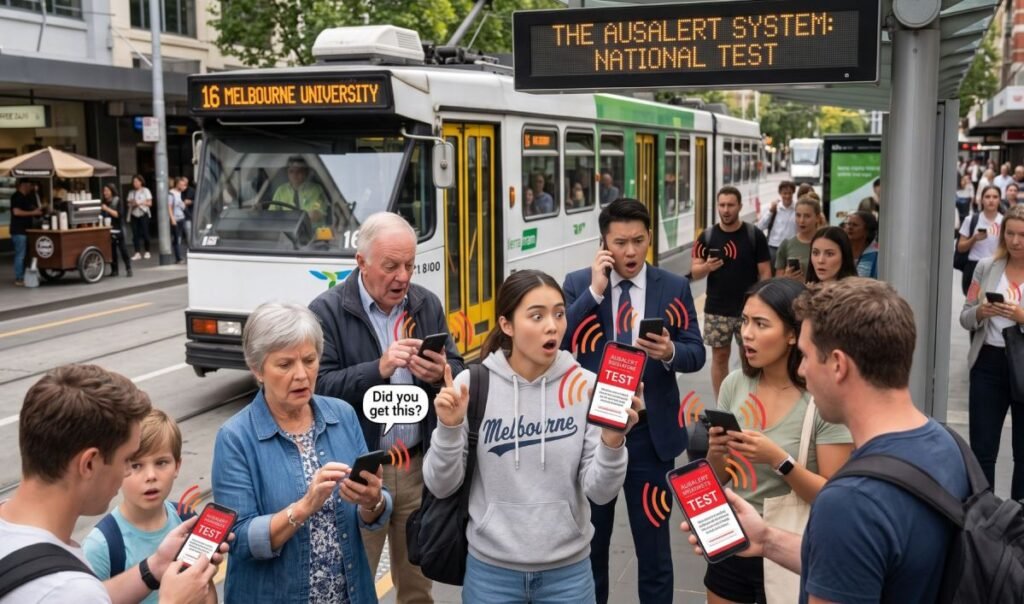
Today is Monday, July 27, 2026. This is not a normal Monday. Your phone is about to do something pretty extraordinary, and if you’re not prepared, it could be pretty amazing. The Australian government is carrying out its first nationwide trial of the new emergency alert system, known as AusAlert. This is an important time
Today is Monday, July 27, 2026. This is not a normal Monday. Your phone is about to do something pretty extraordinary, and if you’re not prepared, it could be pretty amazing.
The Australian government is carrying out its first nationwide trial of the new emergency alert system, known as AusAlert. This is an important time for national security infrastructure and part of implementing large projects is testing before going into production, today is that day.
Here’s everything you need to know about what’s happening, why it matters, and the mobile technology powering it.
What is really going to happen and when?
An AusAlert test will be carried out this afternoon, using cellular transmission technology. The headline time is 2:00 pm AESTbut as you’ll see below, that translates to some different times across the country, thanks to the magic of time zones.
In the test, your mobile devices will vibrate and emit a loud, siren-like tone for about 10 seconds.
The regional schedules are:
- Australian Capital Territory, New South Wales, Queensland, Tasmania, Victoria: 2:00 pm AEST
- South Australia (including Broken Hill) and Northern Territory: 1:30 pm Eastern Time
- Western Australia: 12:00 pm Eastern Time
- Christmas Island: 11:00 am CXT
A message will appear on your screen clearly stating that this is a test of the emergency alert system and that no action is required.
This is a critical alert, the highest priority setting. It will override silent mode and Do Not Disturb. The only reliable way to prevent the sound is if your device is completely turned off or in airplane/flight mode.
Why Australia is going beyond emergency SMS warnings
SMS alerts have been useful, but have clear limitations when minutes count.
Traditional SMS sends individual messages to specific phone numbers. During a wildfire or major flood, networks quickly become congested as people call family members or check the news. Delivery may be delayed by many minutes or more. SMS also relies on imperfect location data (often linked to billing addresses), which isn’t useful if you’re traveling or have moved.
Cellular transmission technology, standard in modern 4G and 5G networks, works more like a radio signal (sending and receiving). Emergency authorities can broadcast a message from specific mobile towers to each compatible device currently connected to those towers. The message arrives almost simultaneously and is much more resistant to network congestion.
The system also offers much better accuracy. Authorities can target a defined geographical area, with the ability to focus alerts on areas as small as around 160 metres. Only devices in the applicable cellular coverage receive the warning.
Important Safety Note for Hidden Mobile Devices
Authorities and domestic safety groups have issued a clear warning to anyone who keeps a phone hidden for personal safety (for example, people experiencing domestic or family violence). Because the system is designed to override silent settings and sound a loud alarm, it could inadvertently reveal a hidden device. Putting your phone on silent will not stop the siren.
If this applies to you or someone you support, turn off the device completely or switch it to airplane mode before the testing window. Leave it there for at least an hour, but some even suggest up to 24 hours, after the scheduled time at your location (where it’s safe to do so).
When AusAlert is officially activated
Today’s national trial is the last major test before AusAlert goes live in October 2026.
The system arises from the recommendations of the Royal Commission into National Natural Disaster Provision, established after the devastating Black Summer bushfires of 2019-20. Once active, state and territory emergency services will be able to use it for real-time alerts during bushfires, floods, cyclones, severe weather conditions, major public safety incidents and certain health emergencies.
It will sit alongside existing channels such as radio, emergency apps and official websites, providing faster and more reliable direct warning when danger is imminent.
So when desks, living rooms and offices across Australia are filled with shrill alarms this afternoon, take a breath. Everything’s fine. It’s simply the new digital security system doing its final sound check before the real thing begins.
This test has been heavily promoted, including advertising on social media platforms to inform that this is happening, but there will undoubtedly still be some who don’t know.
For the latest official information, device guidance and resources, visit ausalert.gov.au.
Check back often for more exciting news!