A quiet revolution is happening right above our heads. Australian households and businesses have taken matters into their own hands, and yesterday, they absolutely smashed two massive energy generation records. Under clear spring skies, rooftop solar generation in South Australia and Victoria reached unprecedented new heights, pushing vast amounts of clean, decentralised energy into the
A quiet revolution is happening right above our heads. Australian households and businesses have taken matters into their own hands, and yesterday, they absolutely smashed two massive energy generation records.
Under clear spring skies, rooftop solar generation in South Australia and Victoria reached unprecedented new heights, pushing vast amounts of clean, decentralised energy into the National Electricity Market.
This is not just a feel-good environmental story. This is a fundamental shift in how our electrical grid operates, presenting both incredible opportunities for consumers and serious operational headaches for the grid managers.
The numbers that matter
Yesterday, South Australia recorded a new rooftop solar peak of 2,070 MW.
To put that into perspective, that single source of generation covered a staggering 96.3% of the state’s total electricity demand during that interval.
They did not just edge out the old record; they surged past the previous peak of 1,970 MW, which was set only two weeks prior.
Down here in Victoria, the sheer scale of the rooftop rollout is even more apparent.
The state hit an astonishing 4,191 MW of rooftop solar generation, eclipsing its previous record of 4,036 MW set back in January of this year. During this peak interval, renewables contributed 65.9% of Victoria’s total generation.
When you zoom out, the national picture is just as impressive.
Between 1 January and 30 September 2026, renewable energy has accounted for an average of 44% of all electricity generation across the National Electricity Market. We are rapidly approaching the tipping point where renewables are the undisputed baseline of our grid.
The minimum demand headache
As rooftop solar continues its explosive growth, it is completely reshaping our electricity demand profile. It is creating a major operational challenge known as minimum operational demand.
The legacy electricity grid was built as a one-way street. Power was generated at a massive plant and sent down the wires to your house. Now, millions of homes are simultaneously generating their own power and trying to push the excess back up the street.
At 1:00 PM on a sunny day, hardly anyone is drawing power from the grid, because their roofs are providing everything they need. This pushes wholesale electricity prices into negative territory. While free electricity sounds great, it makes it incredibly difficult for the market operator to keep the grid stable, balance frequency, and manage voltage levels.
If minimum demand drops too low, the system risks becoming unstable. It is the equivalent of trying to drive a massive freight train at 2 km/h without stalling the engine. AEMO has explicitly stated that these new records reinforce the absolute necessity of adapting how the power system is managed to accommodate this influx of renewable generation.
The storage solution
This is where the conversation must pivot from generation to storage. We do not need more generation during the middle of the day; we need a massive sponge to soak it up.
For homeowners, the economics of solar have fundamentally changed. The days of lucrative feed-in tariffs are long gone. The real value is in self-consumption.
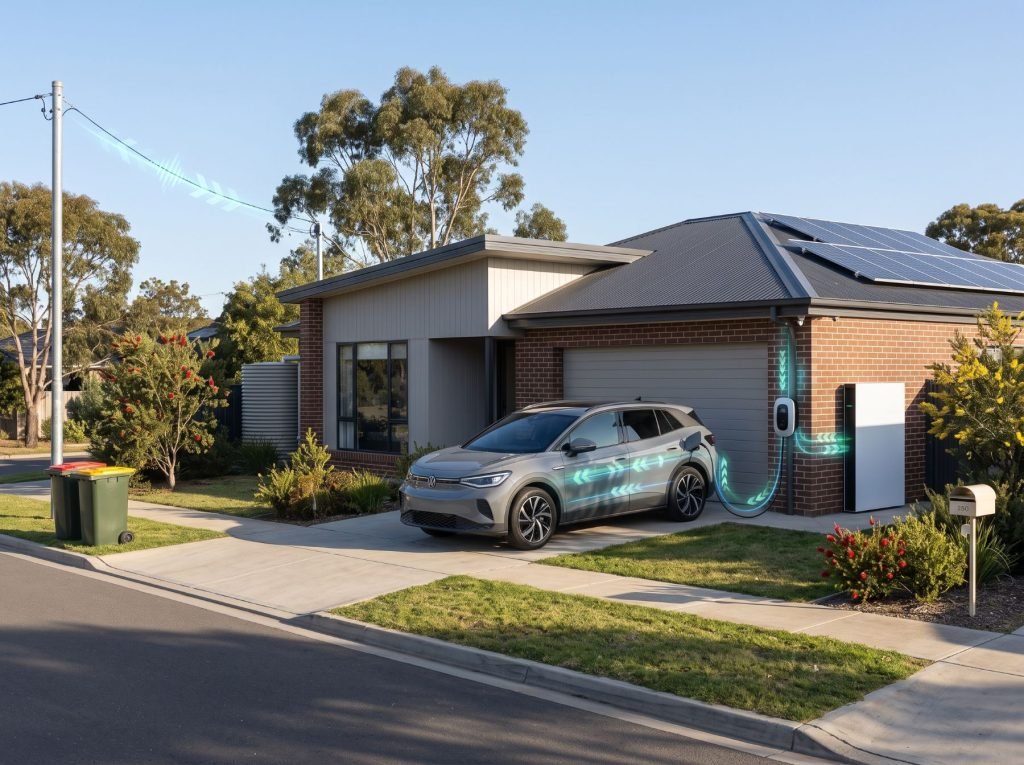
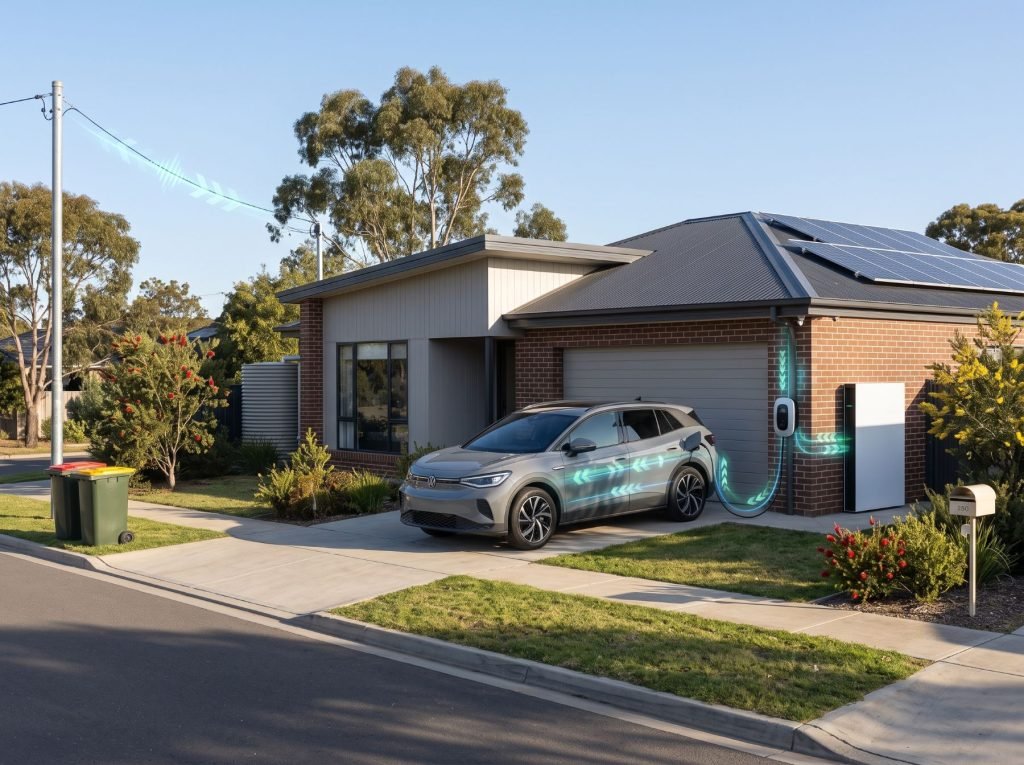
This makes home batteries essential. By capturing that excess midday solar and storing it, you can power your home through the evening peak using the energy you generated for free.
EVs are the ultimate grid sponge
But the biggest battery most people will own sits in their garage. Electric vehicles are the ultimate solution to the minimum demand problem. If you own an EV, like my 2019 Tesla Model 3 Performance, the smartest financial move you can make is to charge it during the day.
Using smart software, you can tell your EV charger to dynamically track your excess solar generation. Instead of exporting power to the grid for pennies, the software diverts that energy straight into your car. You are quite literally driving on sunshine.
What needs to happen next
The transition is happening faster than the regulatory frameworks and legacy infrastructure can handle.
This would be enhanced by better incentives for battery owners to join Virtual Power Plants.
This allows the operator to coordinate thousands of home batteries to discharge simultaneously when the grid needs support, stabilising the network without firing up expensive gas peaker plants.
Yesterday’s records in South Australia and Victoria are not just milestones; they are a glimpse into the future of energy.
For more information, head to Australian Energy Market Operator.
Check back often for more exciting news!