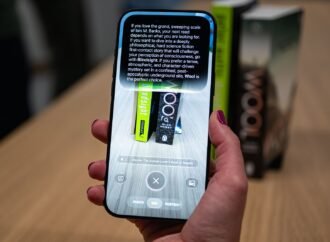
What’s New in iOS 27? Photograph: Julian Chokkattu While last year’s iOS 26 debuted the divisive Liquid Glass, iOS 27 and iPadOS 27 focus squarely on quality-of-life improvements, with a redesigned and much improved Siri AI assistant, easier Shortcuts, and lots of little tweaks to enhance speed and stability. Siri AI doesn’t just look different—now
King Charles hosted a private summit Thursday with some of the most prominent names in AI and the UK government, including Nvidia’s Jensen Huang, leaders from OpenAI and Anthropic, the UK’s new AI minister Kanishka Narayan, and even the head of the UK’s foreign intelligence service. (Paolo Benanti, who advises the pope on AI, was
If you sat around at any point this year and wondered why it felt so much hotter than normal, it’s because it actually was. According to a new report from NOAA, summer 2026 is the hottest on record, beating out the prior holders of the crown, a tie between 2021 and 1936. Per NOAA, the
In early September, two teenagers got into a Waymo, but then ended up in the back of a police car. The robotaxi company said it detected “a violation of our terms of service involving a firearm,” pulled the car over, and alerted emergency services, according to the Los Angeles Times. Police arrested the passengers after
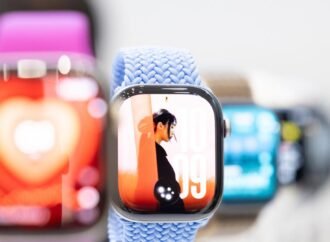
Apple is also making the watch easier to navigate with one hand, adding a single-tap gesture to Apple’s existing double-tap and wrist-flick controls. Tap your index finger and thumb together to select widgets in Smart Stack; double-tap lets you scroll through them. A wrist flick can return you to the watch face, silence timers, or
Lucid Motors has entered into a partnership with European mobility platform Bolt that could bring robotaxis made by the California company to the continent. The two companies announced Thursday that Bolt “aims to deploy at least 25,000 fully autonomous vehicles” built on Lucid’s upcoming mid-size EV architecture, which is supposed to be smaller and cheaper