
Pakistan’s Gateway to Global News, Tech Updates, and Emerging AI Trends.
Animals
- Home
- Animals

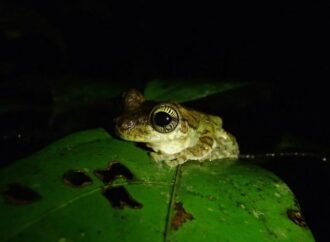
Treefrog ‘fingerprints’ are on their eyeballs0
- Animals, Biology, Environment, Evolution, SCIENCE, Science / Health, Science Mission Directorate, scientists, Space, Space Communications & Navigation Program, Space Launch System (SLS), Space Telescope, space-x-ipo, SpaceX, Wildlife
- October 23, 2026
Our fingerprints, patterns on whale flukes, and fur patterns on cheetahs are examples of the natural ways we can tell one individual animal from another. For an Amazonian treefrog called the egg-eating spiny-backed frog (Osteocephalus oophagus), we need to look into their eyeballs. Fine black radial lines cross their golden irises, and form a pattern
READ MORERattlesnake bite venom is based on their personality0
- Animals, Biology, Conservation, Environment, SCIENCE, Science / Health, Science Mission Directorate, scientists, Space, Space Communications & Navigation Program, Space Launch System (SLS), Space Telescope, space-x-ipo, SpaceX, Wildlife
- October 22, 2026
Rattlesnake venom is a complex blend of necrotic toxins designed to quickly disrupt blood coagulation and destroy tissue cells. This effective biological weapon comes at a major premium, however. Snakes must regularly replenish their venom reserves, which means they need to dole out just the right amount with each bite. Injecting too little venom into
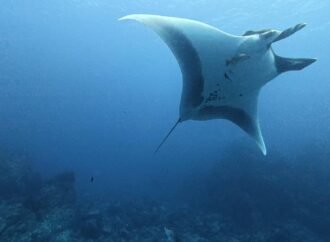
READ MOREBaby manta rays stick to the shallows to avoid sharks and orca0
- Animals, Biology, Conservation, Endangered Species, Environment, Fish, Ocean, SCIENCE, Science / Health, Science Mission Directorate, scientists, Space, Space Communications & Navigation Program, Space Launch System (SLS), Space Telescope, space-x-ipo, SpaceX, Wildlife
- October 22, 2026
Before giant manta rays (Mobula birostris) can grow to up to 30 feet long and 4,409 pounds, they must start small like most living things. Giant manta ray babies (called pups) in Central America don’t have their size to protect them from orca whales (Orcinus orca) and the numerous sharks in the open ocean. Their
READ MORE

Bat Beauty Contest returns October 240
- Animals, Bats, Biology, Conservation, Environment, Land, SCIENCE, Science / Health, Science Mission Directorate, scientists, Space, Space Communications & Navigation Program, Space Launch System (SLS), Space Telescope, space-x-ipo, SpaceX, Wildlife
- October 21, 2026
With Alaska’s fat bears done packing on their winter weight and spooky season in full swing, it’s time to turn our collective animal-loving attention to a smaller mammal—bats. The Bureau of Land Management’s (BLM) annual Bat Beauty Contest returns on October 24 and promises “plenty of batty puns.” Beginning Saturday, October 24, BLM will post
READ MOREMonkeys also avoid germs after viral outbreaks 0
- Animals, Biology, Diseases, Environment, HEALTH, Psychology, SCIENCE, Science / Health, Science Mission Directorate, scientists, Space, Space Communications & Navigation Program, Space Launch System (SLS), Space Telescope, space-x-ipo, SpaceX, Wildlife
- October 20, 2026
When a new disease emerges, things can get a little weird. We start to clean groceries with antibacterial wipes, the sound of a sneeze can trigger our fight-or-flight response, and we generally become more cautious. Humans may not be the only primate species that change their behavior in the face of disease. According to a
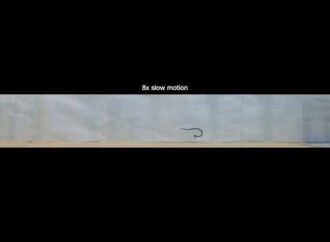
READ MOREThis snake cartwheels to escape danger0
- Animals, Biology, Environment, Evolution, SCIENCE, Science / Health, Science Mission Directorate, scientists, Space, Space Communications & Navigation Program, Space Launch System (SLS), Space Telescope, space-x-ipo, SpaceX, Wildlife
- October 19, 2026
Snakes will bite, rattle their tails, and even spit venom to escape danger. But of all the world’s species, southeast Asia’s dwarf reed snake (Pseudorabdion longiceps) relies on an especially fascinating escape method. When threatened, the diminutive serpent rolls away like a speeding wheel. An adult dwarf reed snake typically measures less than 12 inches
READ MORE

Latest Posts


Top Authors
-
matechpros@gmail.com
ADMINISTRATOR
-
OWS
ADMINISTRATOR

