
Pakistan’s Gateway to Global News, Tech Updates, and Emerging AI Trends.
ISS Research
- Home
- ISS Research

NASA to Cover Northrop Grumman CRS-24 Spacecraft Departure – NASA0
- Commercial Resupply, International Space Station (ISS), ISS Research, Johnson Space Center, Northrop Grumman Commercial Resupply, SCIENCE, Science / Health, Science Mission Directorate, scientists, Space, Space Communications & Navigation Program, Space Launch System (SLS), Space Telescope, space-x-ipo, SpaceX
- October 6, 2026
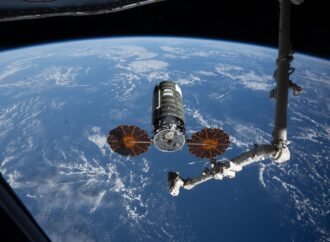
After delivering more than 11,000 pounds of supplies, science experiments, and other cargo to the International Space Station for NASA, Northrop Grumman’s Cygnus XL spacecraft is scheduled to depart Friday, Oct. 9, as part of the company’s Commercial Resupply Services-24 mission, or Northrop Grumman CRS-24. Watch NASA’s live coverage of undocking and departure beginning at 12:30
READ MORENASA to Stream SpaceX Crew-12 Return, Splashdown Live – NASA0
- Commercial Space, Humans in Space, International Space Station (ISS), ISS Research, Johnson Space Center, Kennedy Space Center, SCIENCE, Science / Health, Science Mission Directorate, scientists, Space, Space Communications & Navigation Program, Space Launch System (SLS), Space Telescope, space-x-ipo, SpaceX, SpaceX Commercial Resupply
- October 5, 2026
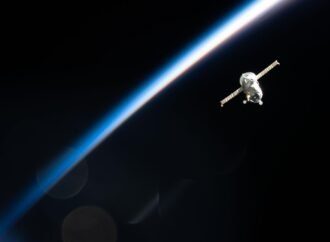
NASA and SpaceX are targeting no earlier than 8:05 a.m. EDT, Wednesday, Oct. 7, for the undocking of the agency’s SpaceX Crew-12 mission from the International Space Station, pending weather conditions. An Oct. 7 undock puts NASA astronauts Jessica Meir and Jack Hathaway, ESA (European Space Agency) astronaut Sophie Adenot, and Roscosmos cosmonaut Andrey Fedyaev
READ MOREHeading Home: NASA’s SpaceX Crew-12 Concludes Station Science Mission – NASA0
- International Space Station (ISS), ISS Research, SCIENCE, Science / Health, Science Mission Directorate, scientists, Space, Space Communications & Navigation Program, Space Launch System (SLS), Space Telescope, space-x-ipo, SpaceX
- October 2, 2026
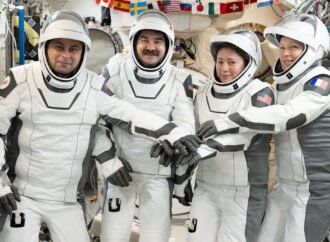
NASA’s SpaceX Crew-12 mission is ending, with the crew scheduled to return in early October. NASA astronauts Jessica Meir and Jack Hathaway, ESA (European Space Agency) astronaut Sophie Adenot, and Roscosmos cosmonaut Andrey Fedyaev will head home from the International Space Station after supporting research that benefits life on Earth and prepares humans for missions
READ MORE

What You Need to Know About NASA’s SpaceX Crew-13 Mission – NASA0
- Commercial Crew, Expedition 75, International Space Station (ISS), ISS Research, SCIENCE, Science / Health, Science Mission Directorate, scientists, Space, Space Communications & Navigation Program, Space Launch System (SLS), Space Telescope, space-x-ipo, SpaceX
- September 29, 2026
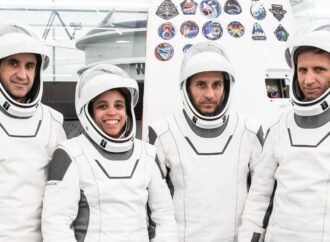
Four crew members are set to launch to the International Space Station as part of NASA’s SpaceX Crew-13 mission to perform research, technology demonstrations, and maintenance aboard the orbiting laboratory. NASA astronauts Jessica Watkins and Luke Delaney will support the mission as spacecraft commander and pilot, respectively, joined by CSA (Canadian Space Agency) astronaut Joshua
READ MORENASA to Cover Progress 96 Spacecraft Launch, Docking – NASA0
- International Space Station (ISS), ISS Research, SCIENCE, Science / Health, Science Mission Directorate, scientists, Space, Space Communications & Navigation Program, Space Launch System (SLS), Space Telescope, space-x-ipo, SpaceX
- September 3, 2026
NASA will provide live coverage of the launch and docking of a Roscosmos cargo spacecraft carrying about three tons of food, fuel, and supplies for the crew aboard the International Space Station. The unpiloted Progress 96 resupply spacecraft is scheduled to launch at 12:15 p.m. EDT (9:15 p.m. Baikonur time), Wednesday, Sept. 9, on a
READ MOREHuman-Related Microbes May Survive Moon’s South Pole, NASA Finds – NASA Science0
- Astrobiology, Earth's Moon, Goddard Space Flight Center, Human Spaceflight Mission Directorate, Humans in Space, International Space Station (ISS), ISS Research, Johnson Space Center, NASA Centers & Facilities, NASA Directorates, Planetary Geosciences & Geophysics, Planetary Science, Planetary Science Division, SCIENCE, Science / Health, Science & Research, Science Mission Directorate, scientists, Space, Space Communications & Navigation Program, Space Launch System (SLS), Space Telescope, space-x-ipo, SpaceX
- August 19, 2026
Lee esta historia en español aquí. Some of Earth’s microbes likely to hitch a ride to space with human explorers could survive in the shaded nooks and crannies of the Moon’s South Pole region, NASA scientists say. Published on Aug. 19, 2026, in Science Advances, these findings highlight a need to better understand microbial persistence
READ MORE
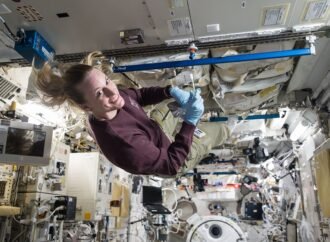
NASA to Stream SpaceX Crew-12 Return, Splashdown Live - NASA
- Commercial Space, Humans in Space, International Space Station (ISS), ISS Research, Johnson Space Center, Kennedy Space Center, SCIENCE, Science / Health, Science Mission Directorate, scientists, Space, Space Communications & Navigation Program, Space Launch System (SLS), Space Telescope, space-x-ipo, SpaceX, SpaceX Commercial Resupply
- October 5, 2026

Latest Posts
-
NASA to Cover Northrop Grumman CRS-24 Spacecraft Departure - NASA
- Commercial Resupply, International Space Station (ISS), ISS Research, Johnson Space Center, Northrop Grumman Commercial Resupply, SCIENCE, Science / Health, Science Mission Directorate, scientists, Space, Space Communications & Navigation Program, Space Launch System (SLS), Space Telescope, space-x-ipo, SpaceX
- October 6, 2026
-
NASA to Stream SpaceX Crew-12 Return, Splashdown Live - NASA
- Commercial Space, Humans in Space, International Space Station (ISS), ISS Research, Johnson Space Center, Kennedy Space Center, SCIENCE, Science / Health, Science Mission Directorate, scientists, Space, Space Communications & Navigation Program, Space Launch System (SLS), Space Telescope, space-x-ipo, SpaceX, SpaceX Commercial Resupply
- October 5, 2026
-
-



Top Authors
-
matechpros@gmail.com
ADMINISTRATOR
-
OWS
ADMINISTRATOR

