
Pakistan’s Gateway to Global News, Tech Updates, and Emerging AI Trends.
Launch Services Program
- Home
- Launch Services Program

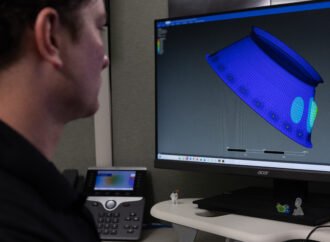
NASA Improves Shock, Vibration Analysis0
- Kennedy Space Center, Launch Services Office, Launch Services Program, NASA Directorates, SCIENCE, Science / Health, Science Mission Directorate, scientists, Space, Space Communications & Navigation Program, Space Launch System (SLS), Space Telescope, space-x-ipo, SpaceX
- October 19, 2026
Rockets vibrate, shake, and flex intensely as they climb into space, and spacecraft packed with delicate scientific instruments must survive those forces. Before any rocket leaves the ground, NASA engineers work to predict how those stresses will affect every part of a spacecraft. To do that, engineers in the Dynamic Environments Group with NASA’s Launch
READ MORE
Latest Posts
-
-
NASA Awards Launch Services for StarBurst Gamma-Ray Detector - NASA
- Astrophysics, Astrophysics Pioneers, Kennedy Space Center, Launch Services Office, Launch Services Program, SCIENCE, Science / Health, Science Mission Directorate, scientists, Space, Space Communications & Navigation Program, Space Launch System (SLS), Space Telescope, space-x-ipo, SpaceX, Starburst
- September 17, 2026
Top Authors
-
matechpros@gmail.com
ADMINISTRATOR
-
OWS
ADMINISTRATOR

