The emissions from powering data centers rightly get a lot of attention. But new research from former Microsoft sustainability workers cautions that the way artificial intelligence enhances productivity in the oil and gas industry could be much more damaging to the planet. Published last week in the journal npj Climate Action, the research finds that
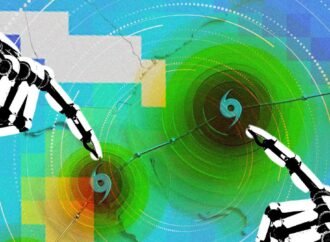
In October 2025, a storm brewed over the Caribbean Sea. Weather models differed on its trajectory. Would it remain weak and end up in Haiti, or would it intensify and head to Jamaica? Artificial intelligence model WeatherNext, developed by Google’s DeepMind and Google Research, went with the latter. Five days before landfall, it predicted with
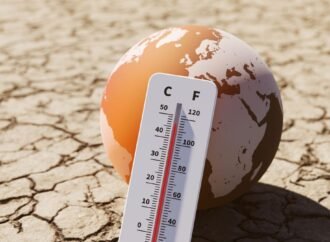
the world could are facing the strongest El Niño phenomenon since records began, increasing the likelihood of extreme weather events and significant long-term economic impacts globally. A new analysis by Berkeley Earth climate scientist Zeke Hausfather paints a worrying picture of the climate phenomenon unfolding in the Pacific Ocean. Models have consistently predicted that this
the idea that Cancer could behave like a contagious disease may seem absurd; In humans, cancer cannot be transmitted from one person to another. However, nature is still full of surprises. In rare cases, the cancer cells themselves can pass from one individual to another and continue to multiply in a new host. This rare
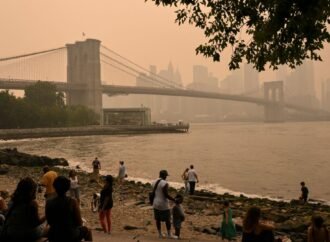
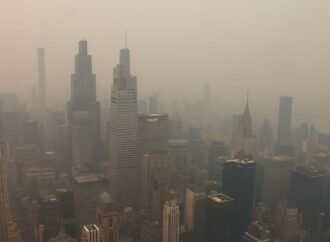
Hot dogs, beach days and iced tea on the porch are some of the rites of summer. But in an era of global warming, a new ritual has emerged: quelling the smoke from wildfires burning hundreds of miles or more away. The Midwest, Northeast and parts of Canada have been bombarded by thick smoke that
the biggest game in soccer is scheduled for Sunday, when Argentina and Spain will meet in the World Cup final, which will take place outside New York City. There’s just one problem. Smoke from wildfires now threatens the match, and FIFA, the sport’s governing body, does not appear to have any plans to protect the