Welcome to the latest edition of Power Play! From now until the midterms, senior writer Molly Taft will be sharing their thoughts every Sunday on this political season’s hottest issue: data centers. We welcome reader comments, and will be answering questions from the comments section in future editions. The post-lunchtime Climate Week panel featuring tech
Welcome back to Power Play! Each week, senior writer Molly Taft tackles a topic around this midterm season’s biggest issue: data centers. If you’ve got a question or thought for the column, feel free to shoot Molly an email at [email protected] or reach them securely on Signal at mollytaft.76. “What on earth are they building
In a quiet summer garden, a caterpillar perches on a branch, munching serenely on leaves. A moment later it freezes. It senses danger—and just in time. From behind, a wasp approaches, sizing up its prey. Tobacco hornworm caterpillars don’t look like they have ears, and yet they’re able to sense predators such as wasps. How
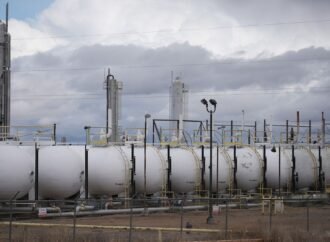
The amount of gas-fired power in development for data centers in the US has nearly doubled in less than a year, new research released Tuesday shows. The findings illustrate just how heavily tech companies are relying on building private fossil fuel plants to power data centers—and how fast artificial intelligence’s energy demand has grown. Global
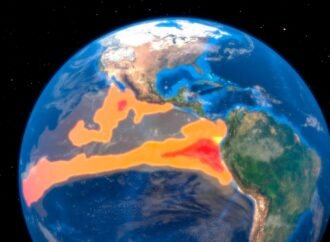
El Niño looks to reach an intensity unprecedented in recorded history. Characterized by warmer-than-normal sea surface temperatures in the equatorial Pacific, El Niño occurs every few years. Meteorological agencies and researchers around the world are on high alert because when the heat stored in the ocean is released into the atmosphere, it triggers a chain
Regions such as Galicia, Asturias, Castile and León, Madrid, Aragon, Catalonia, the Valencian Community, and the Balearic Islands experienced the path of totality, while the rest of the country saw a partial eclipse. The solar corona glows as the moon completely blocks the sun during the totality phase, as seen from San Asensio in the