the idea that Cancer could behave like a contagious disease may seem absurd; In humans, cancer cannot be transmitted from one person to another. However, nature is still full of surprises. In rare cases, the cancer cells themselves can pass from one individual to another and continue to multiply in a new host. This rare
the idea that Cancer could behave like a contagious disease may seem absurd; In humans, cancer cannot be transmitted from one person to another. However, nature is still full of surprises. In rare cases, the cancer cells themselves can pass from one individual to another and continue to multiply in a new host. This rare phenomenon has been detected in animals such as dogs, Tasmanian devils and some species of mollusks, and it seems that we can add one more to that exclusive club: catfish.
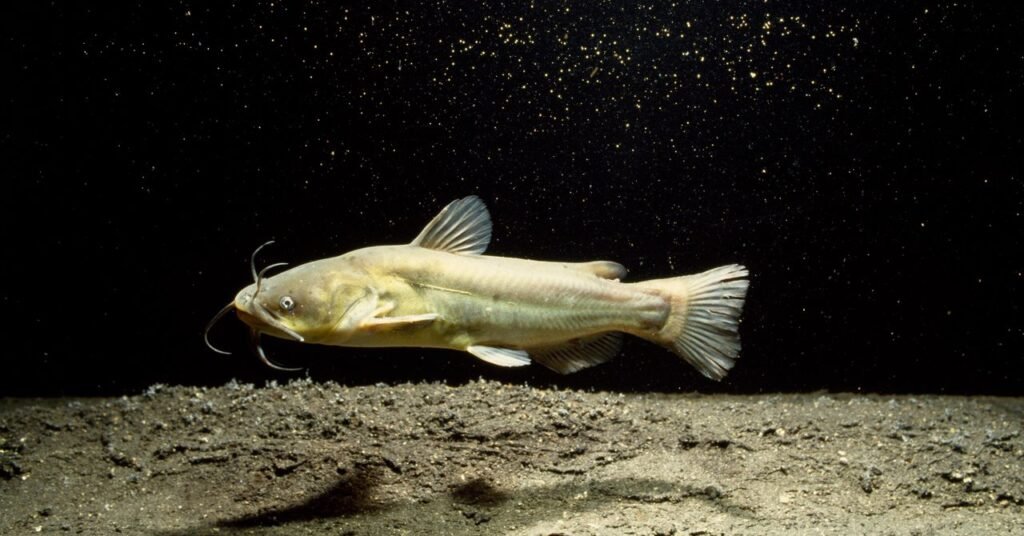
An international team of researchers has identified a transmissible melanoma in brown catfish (Ameiurus nebulosus): the first documented case in fish and also the first recorded in a freshwater ecosystem. Their findings were reported this month in the journal Nature.
An impossible pattern
The story began in 2012, when fishermen and biologists spotted an unusually high number of catfish with black lesions in Lake Memphremagog, a body of water straddling Vermont and Quebec. Previous studies revealed that these spots were malignant melanomas and that between 23 and 37 percent of the samples examined had these tumors, an unusually high incidence for this species.
“That was surprising,” said Julie Dragon, a researcher at the University of Vermont and co-lead author of the study. “We wanted to know how a bottom-dwelling fish contracted a cancer that we associate with excessive exposure to sunlight.”
Initially it was thought that the cause could be some toxic substance or some pathogen linked to contamination. One suspicion was that flooding caused by Tropical Storm Irene in 2011 had degraded water quality by washing environmental pollutants into the lake. There was also concern about the health of the lake, which supplies drinking water to more than 175,000 people. However, initial genetic analyzes began to point in an unexpected direction.
That’s when researchers wondered whether the tumors descended from a single original cancer that had learned to spread between individual fish, rather than arising independently in each fish.
To test this unusual hypothesis, the team sequenced the complete genomes of tumors and healthy tissues from affected fish, and compared the data with that of healthy specimens from different populations.
The results indicated that tumor cells from different fish were much more closely related to each other than to the animals in which they developed. In other words, the tumors shared their own genetic identity, distinct from that of their hosts. Furthermore, hundreds of thousands of genetic variants appeared repeatedly in the tumors, but were absent in the healthy tissues of the same fish.
Such a pattern would be virtually impossible if each melanoma had arisen independently. For comparison, researchers analyzed hundreds of human melanomas and found that almost all of their mutations were unique to each patient. In contrast, most of the mutations present in the tumors of these fish were shared by numerous individuals, a hallmark of a transmissible clonal cancer.
Keep following us for the latest insights.